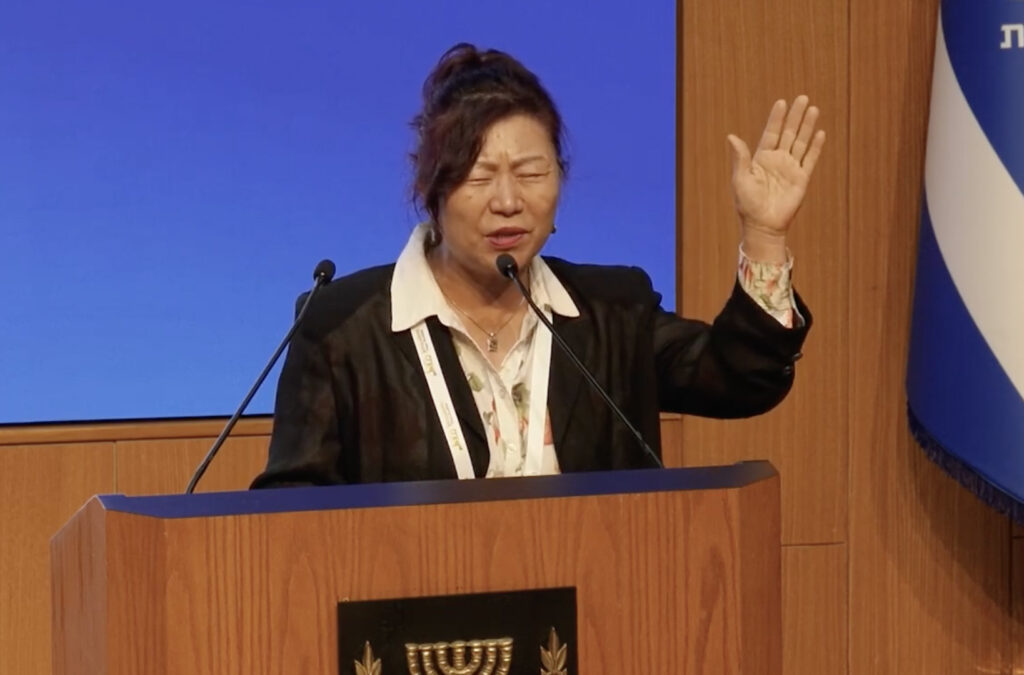
In a heartfelt session at the Knesset, several foreign Christian leaders gathered to offer a public apology and seek forgiveness for their perceived failure to support Israel adequately. The event was marked by poignant speeches and prayers, emphasizing repentance and renewed commitment.
The gathering was led by prominent Christian figures from various countries who expressed sorrow over the lack of solidarity with Israel during critical times. One speaker solemnly prayed, “Lord, please forgive us for all the things that we did that we did not support Israel,” encapsulating the collective regret shared by the attendees.
This unusual yet powerful gesture highlights the intricate relationship between religious communities worldwide and the state of Israel. The foreign Christians acknowledged that their previous disengagement or insufficient support might have been influenced by misunderstanding or political complexities.
Representatives emphasized the importance of unity, urging their fellow believers to deepen their support and understanding of Israel’s challenges. The apology was not only about rectifying past mistakes but also about fostering stronger ties and cooperation moving forward.
The Knesset session served as a solemn reminder of the diverse global alliances that Israel holds, particularly among religious groups who see the country as spiritually significant. It also showcased Israel’s openness to reconciliation and dialogue across cultural and national boundaries.
This act of requesting forgiveness within such a formal and political venue underscores the evolving dynamics between faith and politics, with religious convictions translating into political support.
The conference ended with a collective vow among the foreign Christian leaders to advocate more actively for Israel, promote peace, and build bridges across nations and faiths. The display of humility and commitment was welcomed by Israeli officials, who see it as a positive step towards enhanced international friendship and cooperation.
Overall, this event at the Knesset reaffirms the vital role of religious communities in international diplomacy and illustrates the power of apology and forgiveness in healing divides and fostering mutual respect.