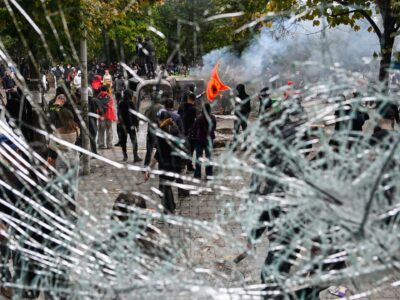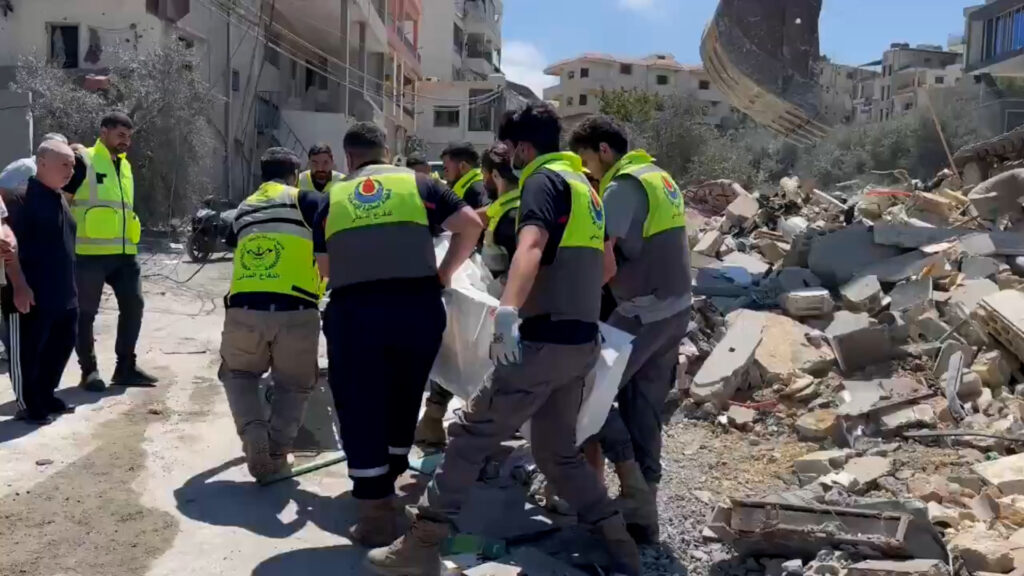
In a significant escalation of conflict, Israel has launched more than ten airstrikes across southern Lebanon, according to eyewitness reports and security sources. The strikes, which targeted multiple locations, resulted in the deaths of at least three individuals, with several others injured. Videos circulating on social media reveal the aftermath of these strikes, showing extensive damage to buildings and infrastructure in the affected areas.
The attacks mark a renewed wave of violence in a region that has been tense for years, with periodic exchanges of fire contributing to instability. Southern Lebanon has been a hotspot for conflicts involving Israel and various militant groups, particularly Hezbollah, which has a strong presence in the area.
The Israeli military stated that the strikes were in response to recent security threats emanating from southern Lebanon, although specific details of these threats were not disclosed. The operations were aimed at neutralizing militant capabilities and preventing future attacks.
Local authorities in Lebanon condemned the strikes, describing them as a violation of sovereignty and an act of aggression that undermines regional peace efforts. Emergency services in southern Lebanon have been working to assist those affected and to assess the full extent of the damage.
The international community has expressed concern over the escalation, with calls for restraint from both sides. Diplomatic efforts are underway to prevent further deterioration of the situation, but the volatility of the region continues to pose challenges for peace and security.
This latest round of airstrikes adds to a long history of conflict between Israel and groups operating in Lebanon. Observers note that the pattern of retaliation and counter-retaliation maintains a cycle of violence that hampers diplomatic progress.
Residents in southern Lebanon are facing increasing hardship as destruction of homes and infrastructure disrupt daily life. Aid organizations have appealed for support to address the humanitarian needs that have arisen from the recent hostilities.
As the situation develops, attention remains on efforts to de-escalate tensions and prevent a wider conflict. Both regional and international actors emphasize the importance of dialogue and diplomatic solutions to address the underlying issues driving the conflict.