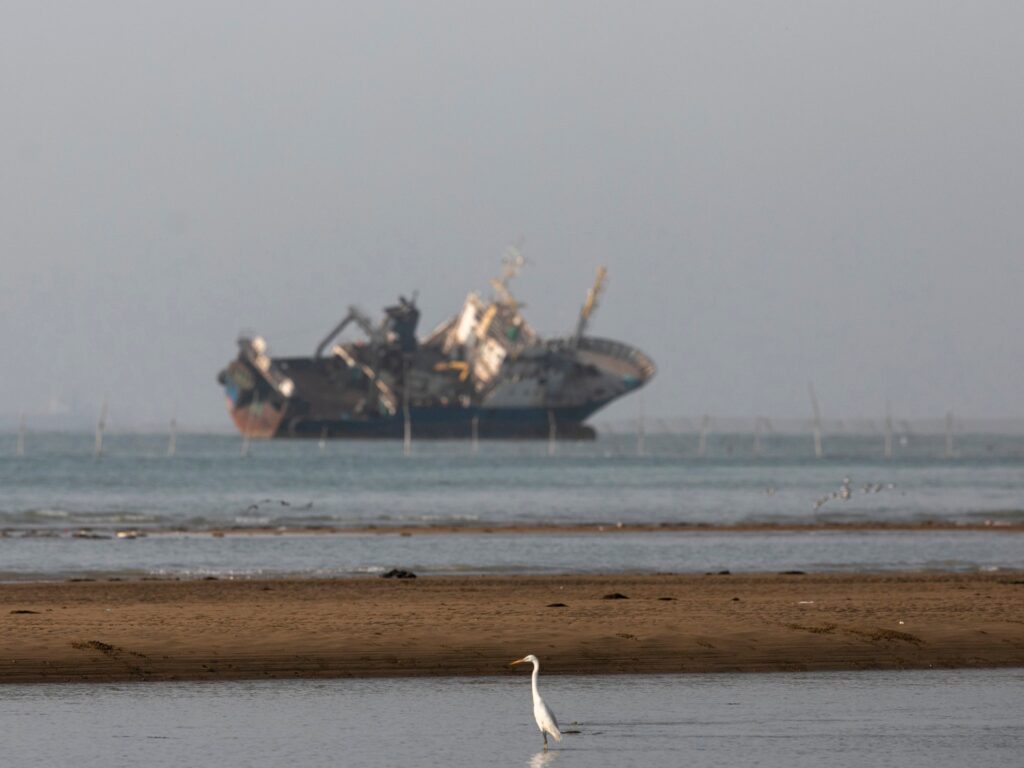
Bandar Abbas, a vital port city located along the Strait of Hormuz, has once again come under attack by the United States, highlighting its immense strategic significance to Iran and the broader geopolitical landscape.
Situated on the southern coast of Iran, Bandar Abbas serves as a major gateway for maritime trade and military naval operations. The port sits adjacent to the Strait of Hormuz, one of the world’s most critical maritime chokepoints where approximately 20% of global petroleum passes. Control and security of this narrow passage are crucial for Iran’s economic survival and influence in the region.
The United States has targeted Bandar Abbas repeatedly due to its dual role as a commercial hub and a military base. It hosts Iran’s primary naval facilities, including the headquarters of the Islamic Revolutionary Guard Corps Navy (IRGCN). These facilities enable Iran to project power into the Persian Gulf and monitor maritime traffic effectively. Strikes on Bandar Abbas are intended to disrupt these capabilities and send a strong message about US opposition to Iran’s military ambitions.
Beyond military considerations, Bandar Abbas is integral to Iran’s economic infrastructure. It is the country’s main port for importing and exporting goods, including vital fuel shipments. The port’s strategic location allows Iran to bypass international sanctions through alternative shipping routes, sustaining its economy despite global pressures.
The repeated US attacks expose the heightened tensions between the two countries, reflecting a broader struggle for regional dominance. Bandar Abbas’s role in controlling access to the Persian Gulf makes it not only a military asset but also a symbolic and economic stronghold for Iran. This ongoing conflict underscores the fragile balance of power in the Middle East and the risks of escalation in the Strait of Hormuz.
In summary, Bandar Abbas’s critical positioning on the Strait of Hormuz makes it a highly valuable strategic target. It embodies Iran’s military strength, economic resilience, and regional influence, making the port a focal point in the US-Iran confrontation. The port’s importance will likely ensure that it remains a hotspot for future geopolitical conflicts, as all parties aim to secure their interests in this vital maritime corridor.