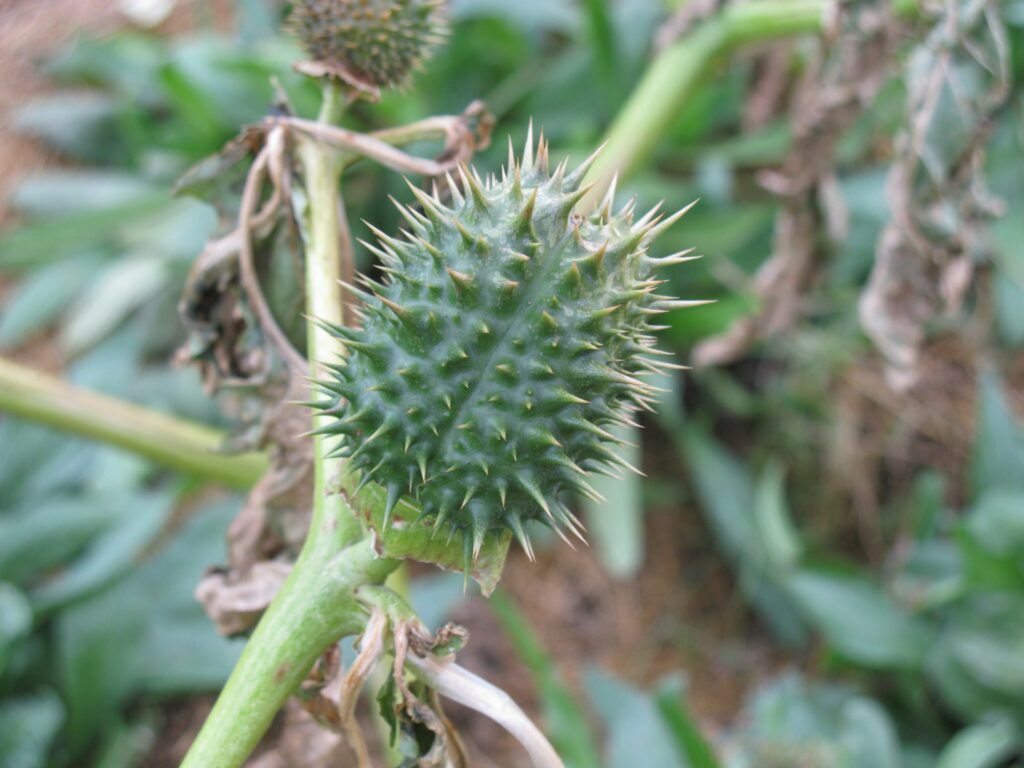
In a growing concern for agriculture and public health in Iraq, the spread of the poisonous plant commonly known as the ‘devil’s trumpet’ has prompted the Iraqi Interior Ministry to issue warnings to farmers and citizens. This invasive plant, scientifically known as Datura, is notorious for its toxic properties and is causing significant harm to crops across various regions of the country.
Datura is a genus of flowering plants belonging to the nightshade family, Solanaceae. It contains several species, all of which are known for their trumpet-shaped flowers and potent alkaloids, including atropine, scopolamine, and hyoscyamine. These compounds can be highly toxic to humans and livestock, leading to symptoms such as hallucinations, delirium, and in severe cases, death.
In Iraq, the plant’s rapid proliferation in rural and farming areas has raised alarms due to its damaging effects on local agriculture. The devil’s trumpet competes aggressively with crops for nutrients, water, and sunlight, leading to reduced yields and financial losses for farmers. Moreover, its toxicity poses a risk to farm animals that may accidentally ingest the plant while grazing.
The Interior Ministry’s recent advisory urges vigilance among farmers and locals to identify and report sightings of the devil’s trumpet. Early detection and removal of the plant are crucial to controlling its spread and minimizing damage. Agricultural experts recommend mechanical removal where possible and caution against using herbicides indiscriminately, as this may harm other beneficial vegetation.
Historically, datura species have been used in traditional medicine but are fraught with danger due to their narrow therapeutic index. Misuse or accidental ingestion can be fatal, which is a significant concern when the plant invades populated agricultural areas.
The Ministry of Agriculture has also been mobilizing resources to support affected farmers, including educational campaigns on identification and handling of the devil’s trumpet. Collaboration with environmental and agricultural agencies aims to develop long-term strategies to mitigate the invasion.
Farmers are encouraged to monitor their fields regularly and use protective gear when handling plants suspected to be datura. Authorities stress the importance of not consuming any part of the plant and keeping children and livestock away from infested areas.
This botanical invasion underscores broader challenges faced by Iraqi agriculture amidst changing environmental and economic conditions. Experts warn that without concerted efforts and community cooperation, the devil’s trumpet could cause sustained damage to food security and rural livelihoods.
In conclusion, the devil’s trumpet represents a toxic threat to Iraq’s farmers and ecosystems. Through awareness, prompt reporting, and coordinated control measures, the country hopes to contain this perilous plant and safeguard its agricultural heritage for future generations.