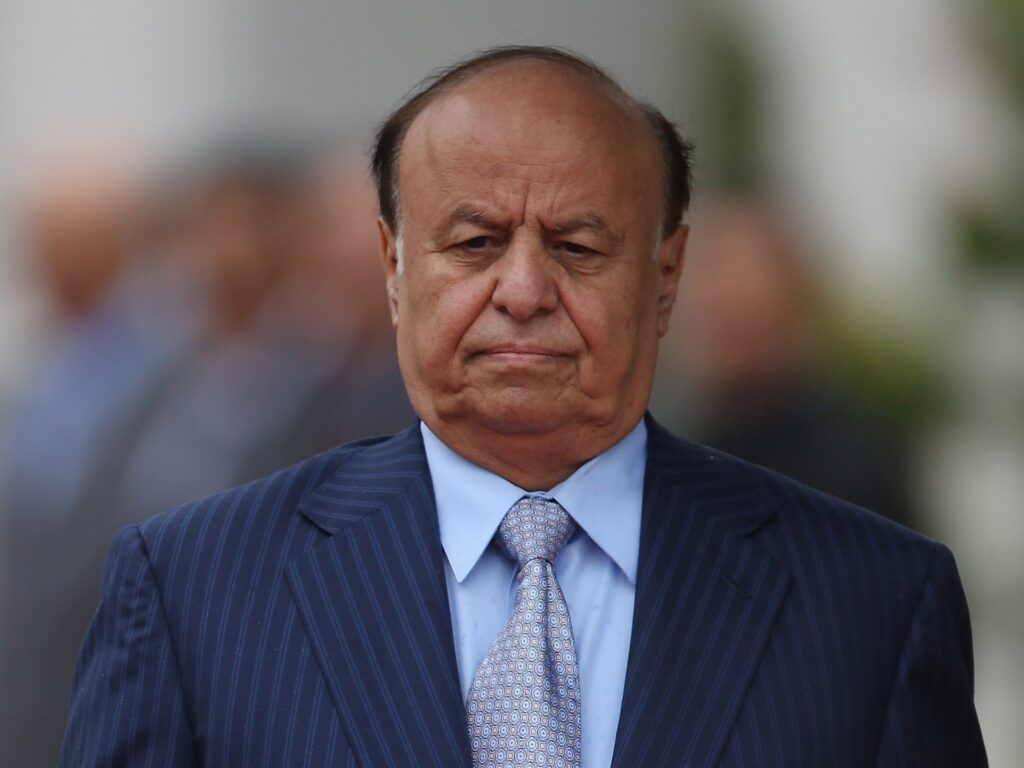
Abd-Rabbu Mansour Hadi, Yemen’s former president and a pivotal figure in the country’s recent tumultuous history, has died in exile at the age of 80. Hadi was internationally recognized as the legitimate leader of Yemen and led a fractured government during a period marked by intense conflict, primarily from abroad.
Hadi’s tenure as president came at a critical time in Yemen’s modern history. He ascended to power following the Arab Spring uprisings, becoming president in 2012 after the resignation of longtime President Ali Abdullah Saleh. His leadership was challenged almost from the beginning, as Yemen plunged into a civil war driven by political divisions, regional influences, and extremist insurgencies.
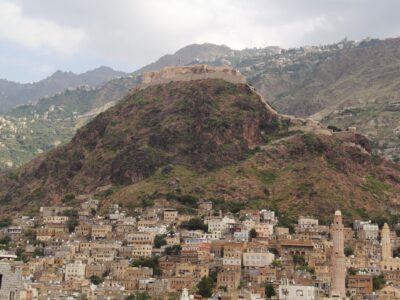
Throughout the conflict, Hadi’s government struggled to maintain control within Yemeni borders. The country fractured into competing zones of power, with the Houthi movement seizing the capital, Sana’a, and significant portions of the north. Meanwhile, the south saw various factions vying for influence, contributing to the country’s instability.
Internationally, Hadi remained Yemen’s recognized president, supported by a coalition led by Saudi Arabia aiming to restore his government and counter Houthi insurgents. However, his administration operated primarily in exile, with limited control on the ground. Despite these challenges, Hadi continued to symbolize the internationally supported Yemeni government throughout the conflict.
Hadi’s death marks a significant moment in Yemen’s ongoing crisis, raising questions about the future leadership of the internationally recognized government and the path toward peace. His leadership faced criticism for failing to bring stability to Yemen, but his role was also seen as a bridge during an era of fragmentation and external interference.
As Yemen continues to endure one of the world’s most severe humanitarian crises, with millions displaced and in need of aid, Hadi’s legacy will be remembered within the complex tapestry of Yemen’s struggle for sovereignty and peace. The international community will now watch closely as Yemen navigates its future without the figurehead who, for years, represented its internationally recognized government amidst relentless conflict.