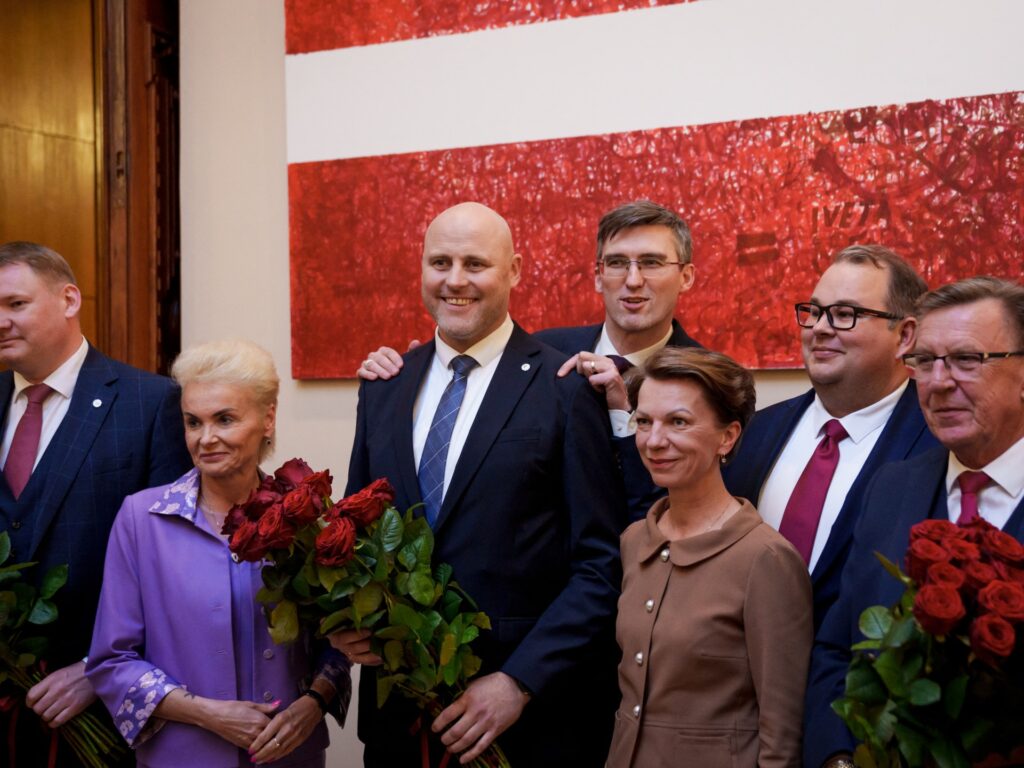
In a significant political development, the Latvian parliament has approved a new government formation after a coalition dispute, triggered by escalating regional drone incidents that heightened national security concerns. This reformation marks a decisive commitment to maintaining a pro-Western orientation amidst a tense geopolitical environment.
The background of the change lies in recent drone activities reported near the Latvian border, which have generated unease within the coalition parties. These incidents underscored the vulnerabilities faced by Latvia, a country strategically positioned in the Baltic region, close to Russia.
The previous government coalition faced internal disagreements on how to address these security issues, leading to a political impasse. The drone dispute became a catalyst for political realignment, as coalition parties failed to reach a consensus on defense and foreign policy strategies.
Following intense parliamentary debates, the new government was approved with a solid majority, signaling continuity in Latvia’s foreign policy direction. The new cabinet emphasizes strengthening defense capabilities, enhancing cooperation with NATO allies, and increasing surveillance and counter-surveillance measures to mitigate drone threats.
Latvia’s firm pro-Western stance aligns with its aspirations to safeguard sovereignty and regional stability. The government reaffirmed its commitment to democratic values and international partnerships aimed at deterring aggression and promoting peace.
Analysts view this political transition as a reflection of Latvia’s resilience and strategic resolve in face of emerging security challenges. The new government’s approach integrates both diplomatic efforts and practical defense enhancements to counteract the evolving threat landscape.
The drone incidents also highlight broader regional tensions, involving not only Latvia but also its Baltic neighbors and EU partners. Strengthening these alliances remains a priority for the Latvian authorities, who see collective security as essential.
In summary, Latvia’s parliament has paved the way for a stable and focused government capable of managing complex security issues while maintaining robust pro-Western policies. This development offers reassurance to both Latvian citizens and international observers concerned about stability in the Baltic region.