India’s National Eligibility cum Entrance Test (NEET) is a crucial exam taken by over 2 million aspiring doctors every year. It serves as the gateway for admission into medical colleges across the nation. However, the integrity of the 2023 NEET exam came under a severe blow when authorities discovered a significant leak of the exam paper, leading to the examination’s cancellation and a cascade of tragic consequences.
The leak, reportedly, involved unauthorized access to the question papers, which were distributed widely before the official exam date. This breach not only compromised the fairness of the examination but also shattered the hopes and dreams of countless candidates from every corner of India.
The immediate fallout was the government’s decision to cancel the exam and announce a re-examination. This move was met with mixed reactions; while it was hailed as necessary to uphold the exam’s credibility, it also sparked widespread outrage, frustration, and despair among the candidates and their families.
The intense competition for medical seats in India adds to the pressure. For many families, success in NEET is linked to social mobility, financial stability, and fulfilling lifelong aspirations. The leak and subsequent cancellation disrupted this delicate balance, causing despair and uncertainty.
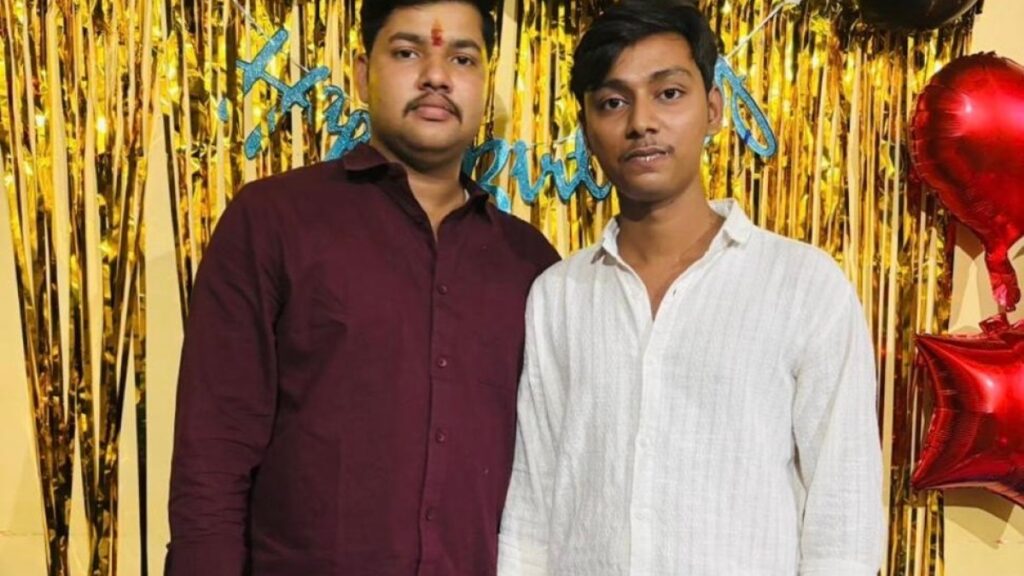
Tragically, the stress and disappointment have had severe emotional and psychological impacts on students. There have been reports of suicides linked to the exam’s cancellation and the pervasive anxiety surrounding medical admissions. Families are mourning, with parents pleading for answers and expressing torment, as seen in heart-wrenching appeals like “Come back, my son,” echoing across social media and news outlets.
Authorities have pledged to investigate the leak thoroughly and have promised stricter measures for future examinations. Law enforcement agencies are pursuing leads to bring those responsible to justice. Meanwhile, the government is working to schedule the re-exam promptly to minimize disruption for candidates.
Experts advocate for long-term reforms in the examination system to prevent such breaches, including bolstering digital security, improving exam administration, and providing psychological support to candidates. They emphasize that transparency and fairness must be the cornerstones of all competitive exams.
The public reaction has been one of anger and disappointment, calling for accountability. The leak has sparked debates about corruption, systemic inefficiencies, and the immense pressure young students face in India’s high-stakes educational environment.
Families affected by the incident are urging policymakers to recognize the human cost behind the examination saga. Many demand more robust support systems for students dealing with academic stress.
As India grapples with the aftermath of the NEET exam leak, the incident is a somber reminder of the fragility of trust in crucial national processes. The hope remains that with decisive action, empathy, and reforms, the future of medical entrance examinations will be secure, fair, and supportive for all aspirants.