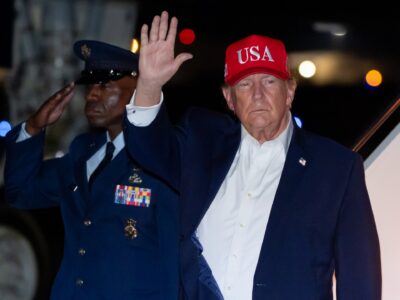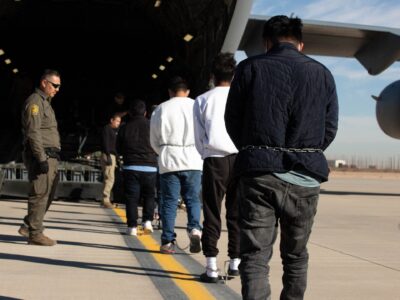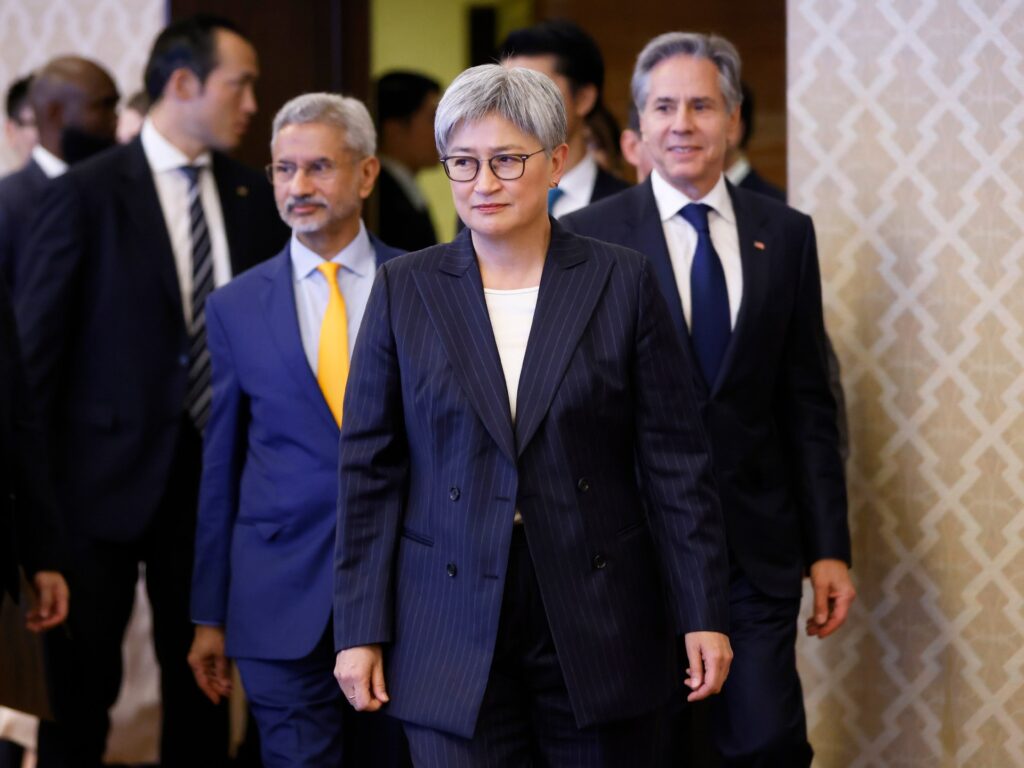
In the complex geopolitical landscape of the Indo-Pacific region, recent shifts in U.S. foreign policy under President Donald Trump have led to questions about the future relevance of the Quad grouping. The Quadrilateral Security Dialogue (Quad), consisting of the United States, Japan, India, and Australia, was once seen as a strategic counterbalance to China’s rising influence in Asia. However, analysts now observe that as Washington turns its military focus away from Asia, the Quad is struggling to define its purpose and maintain cohesion among its members.
The Quad initially emerged as an informal strategic alliance aimed at promoting a free, open, and inclusive Indo-Pacific region. It sought to counterbalance China’s assertive military and economic expansion in the South China Sea and beyond. By fostering collaboration in areas like maritime security, infrastructure development, and disaster relief, the Quad countries hoped to establish a united front to safeguard their shared interests.
However, recent developments signal a warming of ties between the U.S. and China under the Trump administration, complicating the dynamics of the Quad. President Trump’s overtures to China, including trade negotiations and efforts to reduce tensions, reflect a potential shift in American foreign policy priorities away from confrontational strategies in Asia. Consequently, this pivot has left the Quad members reassessing their roles and commitment to the grouping.
Experts point out that the U.S.’s decreasing military emphasis on Asia could undermine the Quad’s strategic significance. Without a clear, unified agenda or robust leadership from Washington, the Quad risks losing momentum, with India and Australia expressing caution about entanglement in an increasingly complex geopolitical rivalry. Furthermore, Japan appears to be reevaluating its diplomatic posture given the changing American stance.
The Quad’s drift towards irrelevance is evident in its diminished capacity to convene high-profile meetings or issue strong joint statements. This decline in activity contrasts with China’s increasing assertiveness and expansion of its military capabilities in the region. As the Quad seems unable to effectively counterbalance China, the balance of power in the Indo-Pacific could tilt increasingly in Beijing’s favor.
Policy analysts stress the importance of clear strategic objectives and stronger cooperation among Quad members to revitalize the grouping. The United States, as a principal player, must clarify its commitment to Asia and provide leadership to keep the Quad relevant. Meanwhile, the member countries need to deepen their cooperation beyond rhetoric, focusing on tangible initiatives such as enhanced military exercises, infrastructure projects, and multilateral engagements.
In conclusion, the Quad’s future hinges on the ability of its members to adapt to a shifting geopolitical environment where U.S.-China relations remain central. Without renewed purpose and unity, the Quad risks becoming an obsolete entity in the Indo-Pacific, while China’s influence continues to grow unchecked. As Washington woos China, the Quad’s drift towards irrelevance serves as a cautionary tale about the importance of consistent geopolitical strategies and alliances in maintaining regional stability.