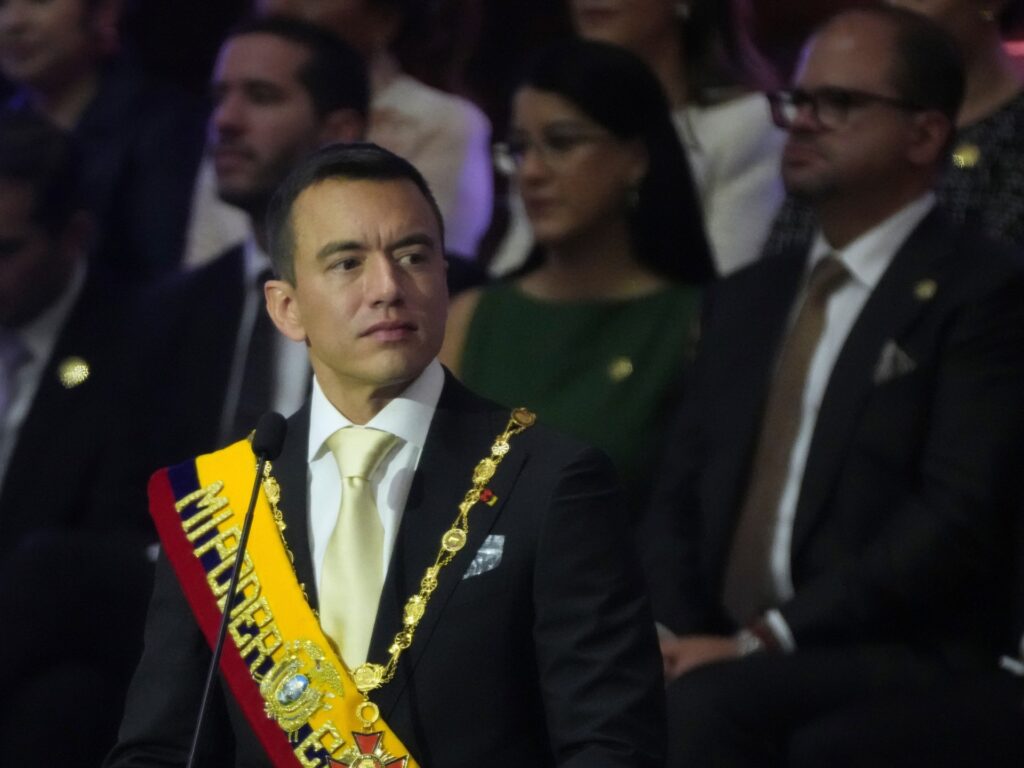
In a recent State of the Union speech, Ecuador’s right-wing President, Daniel Noboa, pledged to intensify efforts against crime by prioritizing the extradition of criminals to face justice abroad. This bold move is part of his broader anti-crime strategy aimed at tackling the nation’s ongoing security challenges.
President Noboa emphasized the successful anti-crime operations carried out under his leadership, highlighting their positive impact on the country’s safety and stability. He cited these operations as key achievements in his administration’s early tenure, showcasing commitment to restoring public order and confidence.
Alongside security, Noboa touched upon economic progress, stating that Ecuador is on a path towards growth and recovery. He credited recent policy measures for fostering a favorable investment climate, boosting employment rates, and improving overall economic indicators. This dual focus on security and economy forms the cornerstone of his governance approach.
However, the president’s tough stance on crime has met with criticism from various groups and human rights organizations. Some opponents have warned of potential abuses linked to aggressive law enforcement tactics and extradition agreements. They caution that such measures may infringe on civil liberties and due process, demanding transparency and oversight.
Experts note that Ecuador’s geographic location and socio-political context make it a strategic point for criminal networks, complicating domestic efforts to combat crime. Noboa’s administration contends that international cooperation through extradition deals is essential to dismantle these transnational criminal organizations effectively.
The president’s pledge comes at a time when Ecuador is grappling with high crime rates, including drug trafficking, organized crime, and gang violence. Public demand for stronger security policies has been growing, with many citizens seeking a more assertive governmental response.
Noboa’s government is expected to pursue legal reforms to facilitate extraditions and streamline judicial processes related to criminal cases involving foreign jurisdictions. Coordination with international partners, including the United States and neighboring countries, will likely intensify as part of this strategy.
Critics urge the administration to balance security initiatives with respect for human rights protections, emphasizing that sustainable peace requires not only law enforcement but also social and economic development. They advocate for comprehensive crime prevention programs addressing root causes such as poverty and lack of education.
The coming months will be crucial in evaluating the effectiveness and fairness of President Noboa’s policies. Authorities must ensure that anti-crime operations uphold justice and transparency to maintain public trust.
In summary, President Daniel Noboa’s State of the Union address underscored Ecuador’s determination to tackle crime robustly through extradition and other law enforcement measures, while highlighting ongoing economic recovery efforts. The nation watches closely as these plans unfold amid optimism and caution.