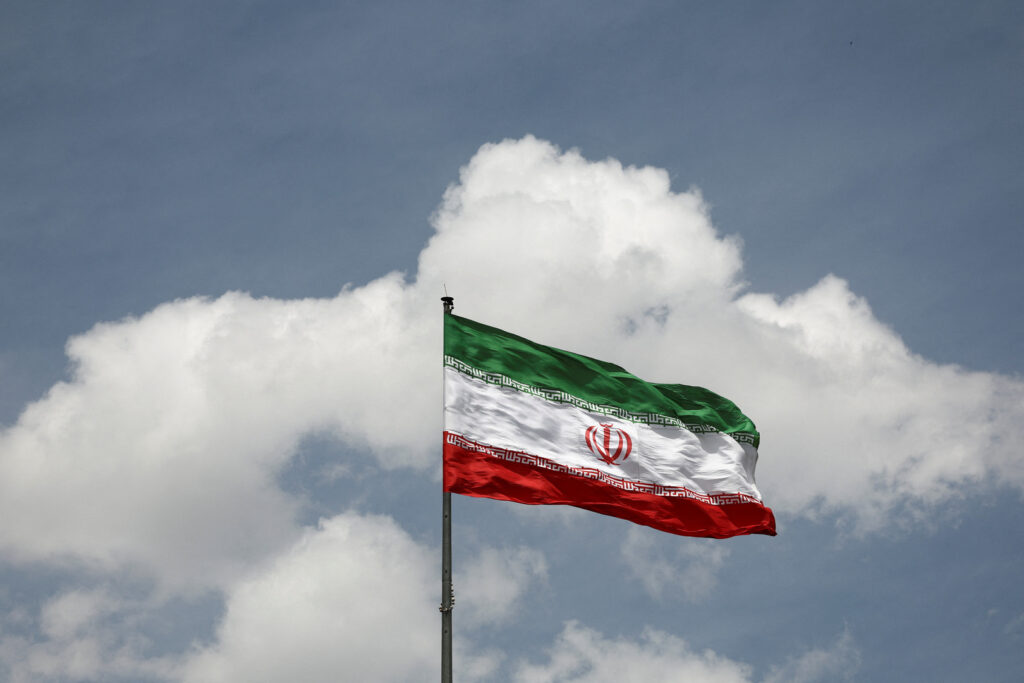
An Iranian flag, amid a ceasefire between U.S. and Iran, in Tehran, Iran, April 27, 2026. Majid Asgaripour/WANA (West Asia News Agency) via REUTERS ATTENTION EDITORS - THIS PICTURE WAS PROVIDED BY A THIRD PARTY
Al Jazeera’s Ali Hashem has brought forward fresh insights regarding Iran’s stance on the ongoing peace discussions with the United States. These revelations shed light on the intricacies and strategic considerations shaping the potential agreement between the two nations.
According to Iranian sources, the deal under negotiation involves a series of phased steps aimed at easing tensions and rebuilding trust. Iran emphasizes the importance of lifting economic sanctions that have severely impacted its economy. The sources suggest that Tehran demands the removal of all nuclear-related sanctions as a precondition for compliance with any nuclear-related commitments.
In contrast, the United States seeks strict verification measures to ensure Iran’s nuclear program remains peaceful. The deal’s details reportedly include enhanced monitoring protocols, with access for the International Atomic Energy Agency (IAEA) to Iranian nuclear sites to confirm adherence.
Furthermore, Iran is reportedly willing to halt uranium enrichment to levels exceeding 3.67%, which has been a critical point of contention. However, Tehran insists on the right to maintain peaceful nuclear activities for energy purposes.
On the security front, the potential agreement may address regional issues, including Iran’s role in Iraq, Syria, and Yemen. Sources indicate that while Iran is interested in reducing hostilities, it will insist on preserving its regional influence and security interests.
The discussions also touch upon the potential phased release of dual nationals detained in both countries as a confidence-building measure. This aspect aims to build goodwill and create a conducive atmosphere for further negotiations.
Ali Hashem noted that Iran’s leadership remains cautious yet optimistic, viewing the deal as a strategic opportunity to relieve economic pressures and normalize diplomatic relations while securing its sovereignty.
The potential peace deal, if successful, could mark a significant shift in Middle Eastern geopolitics, impacting global energy markets and diplomatic alliances. However, challenges remain, including skepticism from hardliners within both nations and the U.S. Congress’s approval process.
Overall, the newly revealed details highlight a complex balancing act, with Iran seeking economic relief and security guarantees, and the United States demanding stringent oversight and assurance of nuclear non-proliferation.
As negotiations continue, global observers remain attentive to how this tentative agreement may pave the way for a renewed chapter in Iran-US relations.