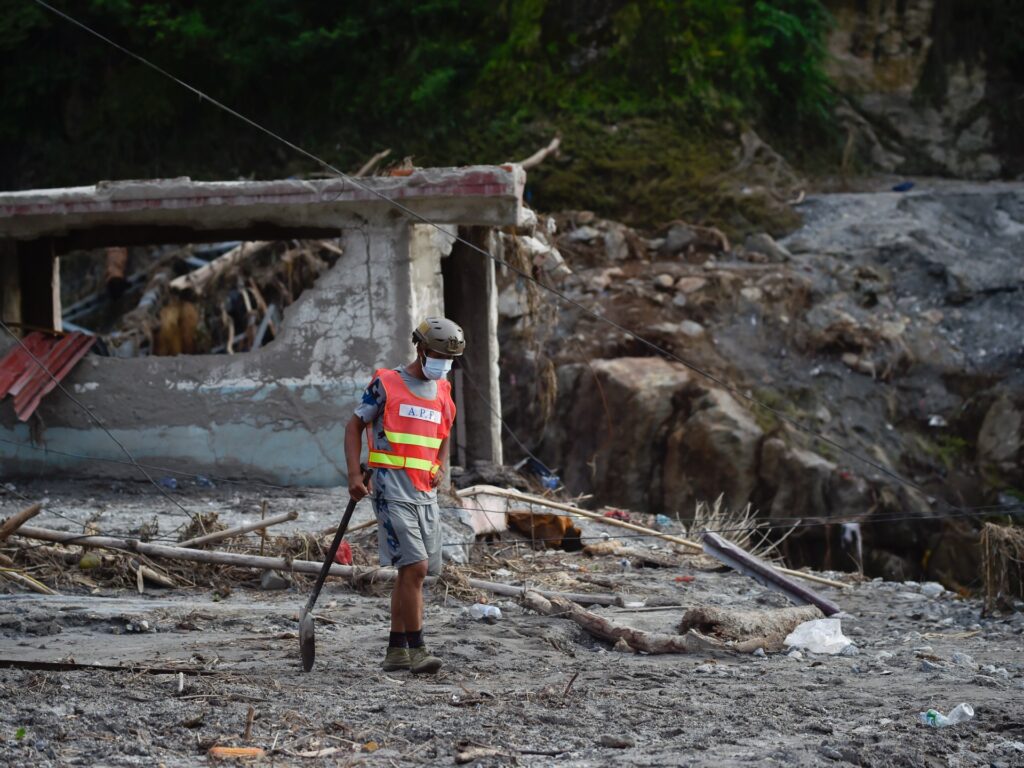
Nepal and China have resumed their critical flood rescue efforts following a brief pause amid the devastating floods that have claimed over 600 lives. The natural disaster has wreaked havoc across regions, displacing thousands and causing widespread destruction to infrastructure and homes.
The floods, triggered by heavy monsoon rains and glacial melt, have submerged vast tracts of land, making rescue operations challenging. Both countries mobilized extensive search and rescue teams, including military personnel, to help those stranded and recover the missing.
Despite the resumption of rescue missions, experts have expressed serious concerns about the dangers posed by a newly formed glacial lake. This lake, created by melting glaciers, has the potential risk of a glacial lake outburst flood (GLOF), which could lead to sudden devastating floods downstream.
Authorities in Nepal and China are closely monitoring the lake’s water levels and structural integrity to prevent further disasters. They have issued warnings to downstream communities and are preparing contingency plans to evacuate vulnerable populations if necessary.
The death toll, now surpassing 600, underscores the severity of the situation. Hospitals and emergency centers in the affected regions are overwhelmed with injured and displaced persons. Volunteers and aid organizations are working tirelessly to provide food, shelter, and medical care.
Communication networks had been disrupted during the peak of the floods but are gradually being restored to facilitate coordination of rescue and relief efforts.
Local governments in Nepal and Chinese border provinces have appealed for international assistance to cope with the aftermath of the floods. Emergency supplies, water purification tablets, tents, and medicines are among the critical needs being highlighted.
Environmental experts warn that climate change is likely exacerbating the frequency and intensity of such floods and recommend long-term measures for disaster preparedness and climate adaptation.
As rescue operations continue, both nations emphasize the importance of community resilience and cooperation in overcoming the crisis. Authorities urge residents in affected areas to heed evacuation orders promptly and adhere to safety guidelines.
The tragic floods have not only caused loss of lives but also disrupted livelihoods, agriculture, and transport infrastructure, delaying recovery efforts.
International aid agencies have pledged support and are coordinating with local authorities to ensure swift delivery of resources.
In summary, Nepal and China are jointly tackling a catastrophic flood situation with ongoing rescue missions and heightened alert due to the threat of further flooding from a newly formed glacial lake. The humanitarian toll is significant, with the death count exceeding 600, highlighting the urgent need for coordinated relief and long-term disaster resilience planning.