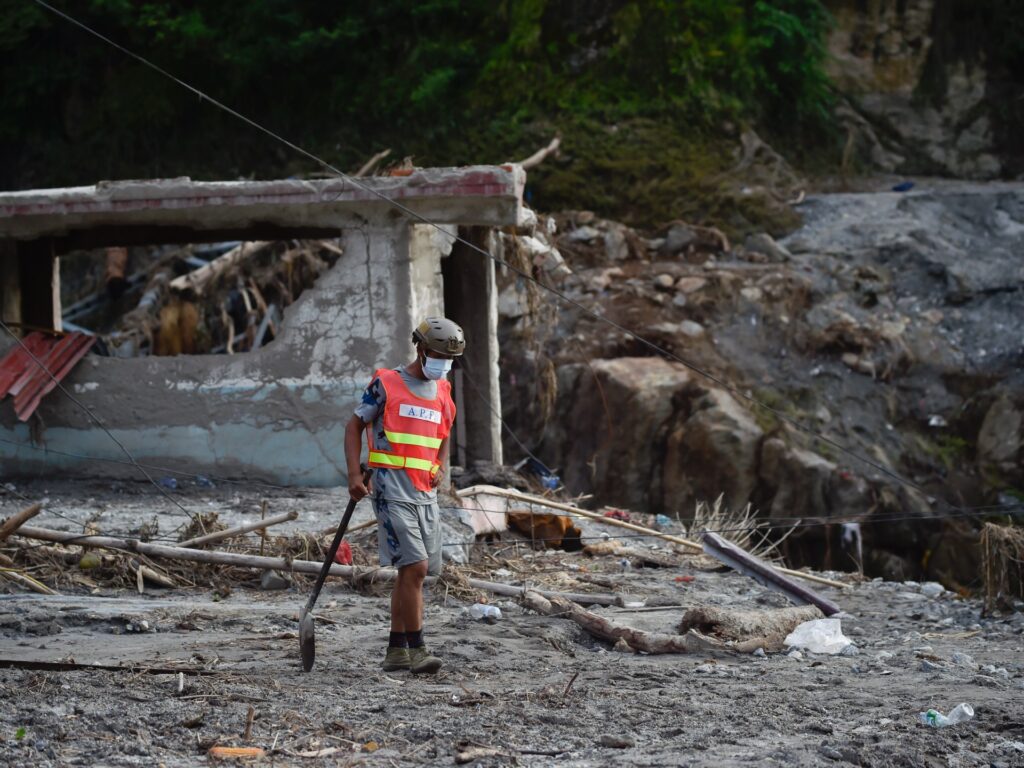
Nepal and China have resumed their joint flood rescue operations after a short pause, amidst growing concerns over a newly formed lake that poses significant risks to the affected regions. The flooding, which has devastated large areas in both countries, has already claimed nearly 600 lives, with many more injured and displaced.
The flooding disaster struck the Himalayan region following unprecedented heavy rains, leading to landslides, river overflows, and extensive destruction of infrastructure and homes. The emerging lake, formed by a natural dammed river or landslide blockage, presents a critical threat as it could trigger sudden flooding downstream if it bursts.
Authorities from both Nepal and China are working closely to strengthen the dam rim and monitor water levels, while also preparing emergency evacuation plans. Rescue teams are operating under challenging conditions, facing risks from unstable terrain and weather unpredictability.
The cooperative efforts between Nepalese and Chinese officials include deploying advanced equipment, helicopters, and trained personnel specialized in mountain and flood rescue. Despite these measures, the scale of the disaster has overwhelmed local capacities, necessitating international support and humanitarian aid.
Communities in the affected zones are being alerted to potential evacuations, and shelters have been established to provide temporary accommodation, food, and medical aid to displaced persons. Governments have called for calm and unity as they emphasize the importance of disaster preparedness and rapid response to minimize further loss of life.
Experts warn that climate change might increase the frequency and intensity of such natural disasters in the Himalayan region, underscoring the importance of sustainable environmental policies and resilient infrastructure development. They also highlight the need for cross-border cooperation in disaster management, given the shared ecosystems and interconnected waterways.
As rescue operations continue, the priority remains saving lives, securing affected areas, and preventing secondary disasters. The tragedy serves as a sobering reminder of the vulnerability of mountainous communities to environmental hazards and the urgent need for comprehensive disaster risk reduction strategies.