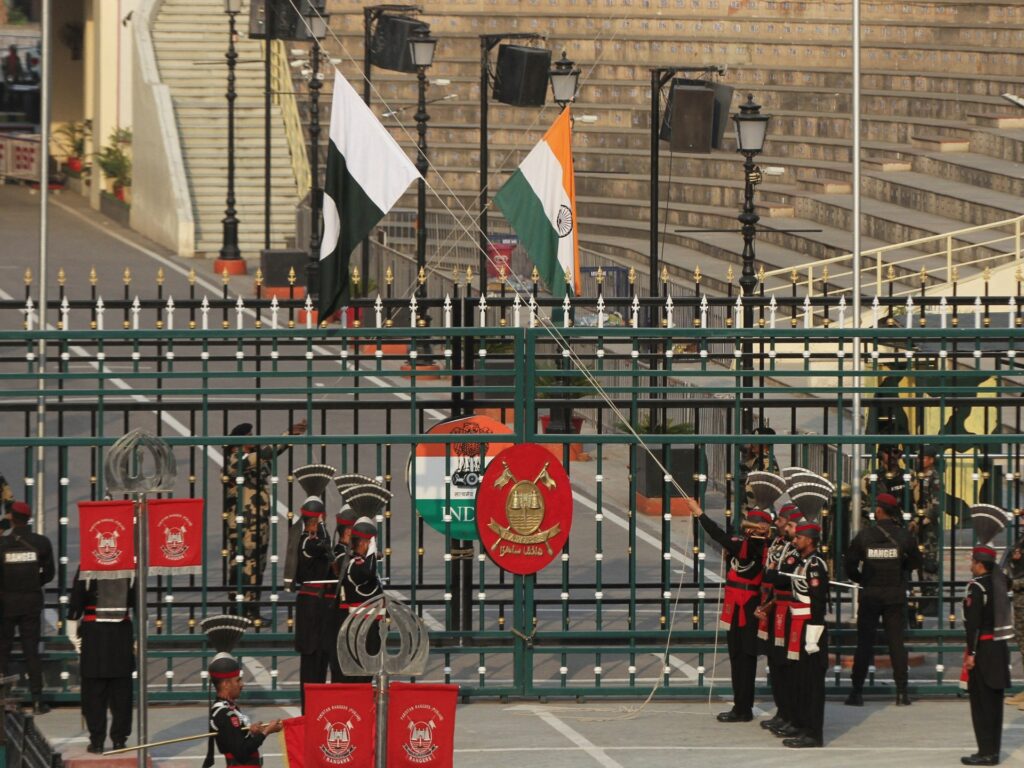
India and Pakistan, two South Asian neighbors with a history marked by conflict and rivalry, appear to be subtly paving the way for renewed dialogue despite maintaining a publicly entrenched stance. The longstanding hostility, particularly over contentious issues such as Kashmir and cross-border terrorism, has often dominated headlines and fueled public rhetoric on both sides. However, beneath this visible tension, there are signs of unofficial voices advocating for dialogue and moderation.
While political leaders and official statements often reflect hardened positions, diplomatic backchannels and civil society groups on both sides have been promoting the idea of engagement. These quiet initiatives focus on rebuilding trust, easing tensions, and addressing mutual concerns through communication rather than confrontation.
Experts suggest that both countries recognize the immense benefits of dialogue in maintaining regional stability and fostering economic cooperation, especially in a global environment where peace and development are crucial. The impetus for such talks often comes from a desire to reduce the suffering caused by conflicts and to open windows for collaborative efforts in areas like trade, water sharing, and cultural exchanges.
Recent developments include informal meetings between retired officials and track-two diplomats, who work away from the limelight to lay the groundwork for more formal discussions. These backchannel efforts aim to create a conducive atmosphere by managing expectations and reducing misunderstandings.
In addition, public opinion in both countries shows a growing appetite for peace and normalized relations, driven by ordinary citizens affected by the hostilities. This grassroots sentiment further encourages leaders to consider dialogue as a viable path forward.
Challenges persist, particularly related to unresolved territorial disputes and incidents that reignite tensions. Nonetheless, the quiet push from unofficial actors highlights an undercurrent of pragmatism and hope amid public posturing.
The global community also watches closely, encouraging both India and Pakistan to engage constructively, emphasizing that dialogue is essential for regional security and prosperity.
In conclusion, while India and Pakistan publicly maintain firm stances, there is a noticeable undercurrent of quiet preparation for restarting dialogue. This cautious optimism reflects a mutual understanding that long-term peace and stability are achievable through communication, restraint, and sustained engagement.