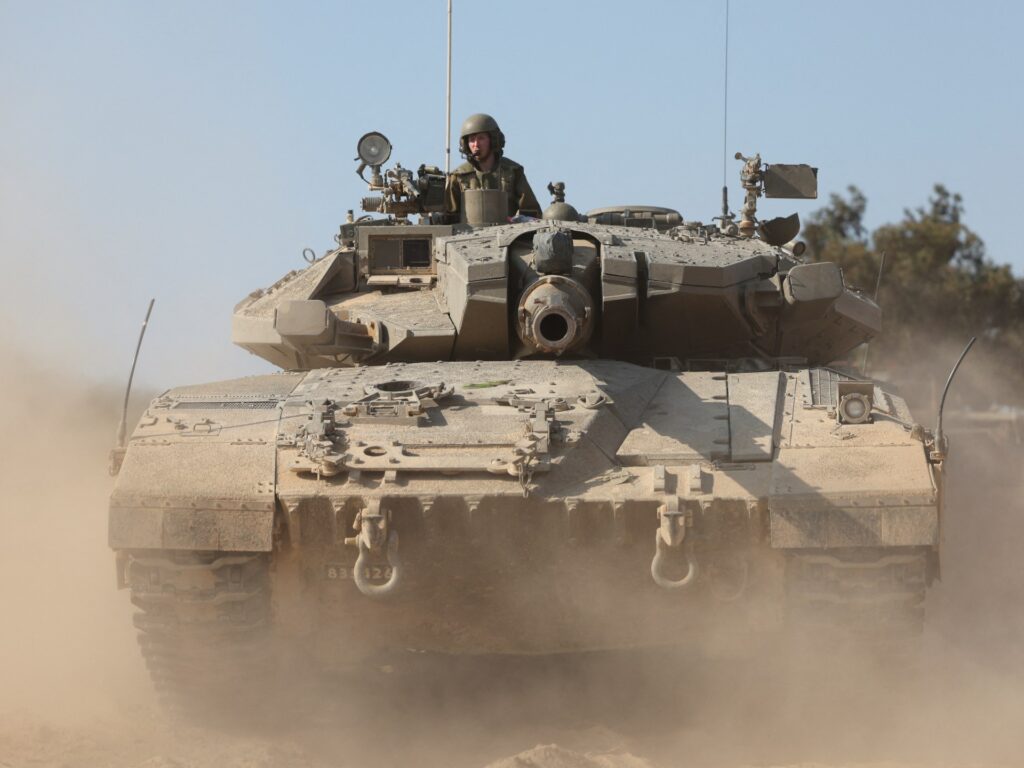
In the escalating conflict in Gaza, it has emerged that 51 countries, including major democracies like India and Brazil, have continued to supply arms to Israel. This continuation of support comes even after these nations publicly pledged to halt arms shipments amidst rising international concern and warnings from the International Court of Justice (ICJ) regarding potential genocide.
The ongoing war in Gaza has drawn widespread condemnation and calls for restraint from various international bodies and governments. The ICJ has issued stern warnings about the conflict potentially amounting to acts of genocide, urging nations to reconsider their involvement and arms supplies.
Despite these warnings, the global landscape of military support paints a different picture. The United States, long regarded as Israel’s closest ally, is just one part of a much larger coalition of countries fueling the conflict through arms sales and military assistance.
India and Brazil, two significant non-Western powers, are among the 51 nations that have reportedly maintained their arms trade with Israel during this volatile period. This revelation marks a complex geopolitical alignment where economic, strategic, and diplomatic interests seemingly outweigh the moral and humanitarian concerns highlighted by international bodies.
The continuation of arms supplies highlights the challenges faced by the global community in enforcing international mandates and agreements designed to curb violence and promote peace. It also raises questions about the effectiveness of global governance institutions in conflict mediation and the enforcement of international law.
Critics argue that the sustained military support undermines efforts to establish a ceasefire and facilitates prolonged violence in Gaza. They call on these countries to reconsider their policies and prioritize human rights and international legal obligations over geopolitical interests.
Supporters defend the arms sales by emphasizing the sovereignty of nations to conduct their foreign policy and uphold their strategic interests, especially in a conflict where Israel cites self-defense against militant threats.
This complex scenario underscores the intricate balance of international relations, where humanitarian concerns often clash with national interests and strategic alliances. The continuation of arms supplies by these 51 nations, including India and Brazil, signals a continuation of the conflict’s intensity and a challenging path ahead for peace initiatives.
International organizations and peace advocates continue to push for increased diplomatic efforts, greater transparency in arms trade, and stricter adherence to international laws to prevent further escalation and protect civilian lives in conflict zones.
As the situation develops, the global community faces critical choices about the direction of international diplomacy, the enforcement of legal norms, and the prioritization of peace and human rights amidst complex geopolitical realities.