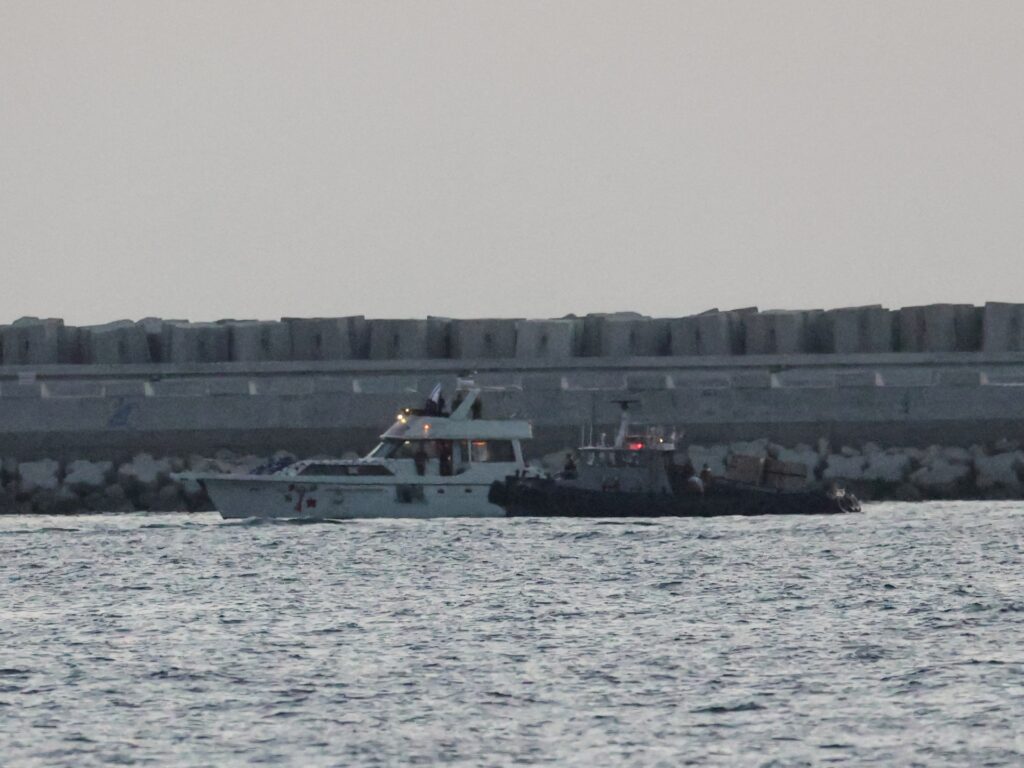
The United States has recently imposed sanctions on organisers of flotillas attempting to reach Gaza, a move that highlights the ongoing geopolitical tensions surrounding the Gaza Strip and its blockade. This development is significant for several reasons, affecting international relations, humanitarian operations, and regional security dynamics.
For over two decades, flotillas have been organized by various groups to breach the maritime blockade imposed by Israel around Gaza. These flotillas aim to deliver humanitarian aid and draw international attention to the situation within the Gaza Strip, which has been under a strict maritime blockade since 2007.
Historically, nearly all flotillas attempting to reach Gaza have been intercepted by Israeli naval forces. The interceptions are frequently justified by Israel on grounds of security, to prevent the smuggling of weapons and materials that could be used for militant activities by groups such as Hamas. However, these interceptions often lead to international controversy and criticism, especially regarding the treatment of activists and humanitarian workers onboard.
The latest interdiction incident has resulted in hundreds of participants going missing, raising grave human rights and humanitarian concerns. The lack of clear information about the fate and whereabouts of these activists has intensified calls from international organizations and governments for transparency and accountability.
The US sanctions on the organisers signal a broader diplomatic stance, aimed at discouraging attempts to breach the blockade. The sanctions typically involve travel bans, asset freezes, and restrictions on financial transactions, targeting individuals and entities believed to be facilitating unauthorized maritime activities to Gaza.
This move aligns the US closely with Israeli security policies but also complicates the humanitarian landscape. Critics argue that such sanctions may hinder legitimate humanitarian efforts and peaceful activism. Supporters contend they are necessary for maintaining regional stability and preventing escalation.
Moreover, the sanctions could affect international diplomatic dynamics. Countries and organizations supporting the flotillas might perceive the US action as an attempt to suppress opposition to the blockade, potentially leading to increased tensions with allies advocating for Palestinian rights and humanitarian access.
In summary, the US sanctions on Gaza flotilla organisers matter because they:
1. Reinforce the maritime blockade and Israeli security measures.
2. Impact humanitarian operations and efforts to provide aid to Gaza.
3. Reflect the US stance in the Israeli-Palestinian conflict and influence diplomatic relations.
4. Highlight ongoing human rights concerns related to the treatment of activists.
5. Potentially escalate tensions between the US, Israel, and other international actors.
As the situation unfolds, the international community faces the challenge of balancing security concerns with humanitarian needs, ensuring that efforts to support Gaza’s population do not increase conflict or suffering. The sanctions underscore the complexity of navigating political, security, and humanitarian issues in one of the world’s most sensitive and protracted conflicts.