The Democratic Republic of Congo (DRC) has once again found itself grappling with a resurgence of the deadly Ebola virus, particularly in the region of Mongbwalu. This return is more than just a recurring public health issue; it is a profound human tragedy that reflects significant systemic challenges.
For families in Mongbwalu, the re-emergence of Ebola has brought unimaginable grief. Loved ones lost to the virus leave behind communities shattered and struggling to cope with the emotional and economic fallout. The human toll is heartbreaking, with many facing the harsh reality of repeated outbreaks disrupting their lives.
Ebola’s persistence in the DRC highlights serious gaps in healthcare infrastructure and outbreak preparedness. Despite international support and efforts to bolster health systems, the region continues to face difficulties in early detection, rapid response, and effective containment of the virus. Remote and under-resourced areas like Mongbwalu are particularly vulnerable, where limited access to medical facilities and trained personnel compounds the crisis.
The cycle of Ebola outbreaks is fueled by several factors, including ongoing conflict, population displacement, and socio-economic instability, all contributing to weakened health systems. Moreover, public mistrust and misinformation about the virus and vaccination campaigns impede efforts to control the disease.
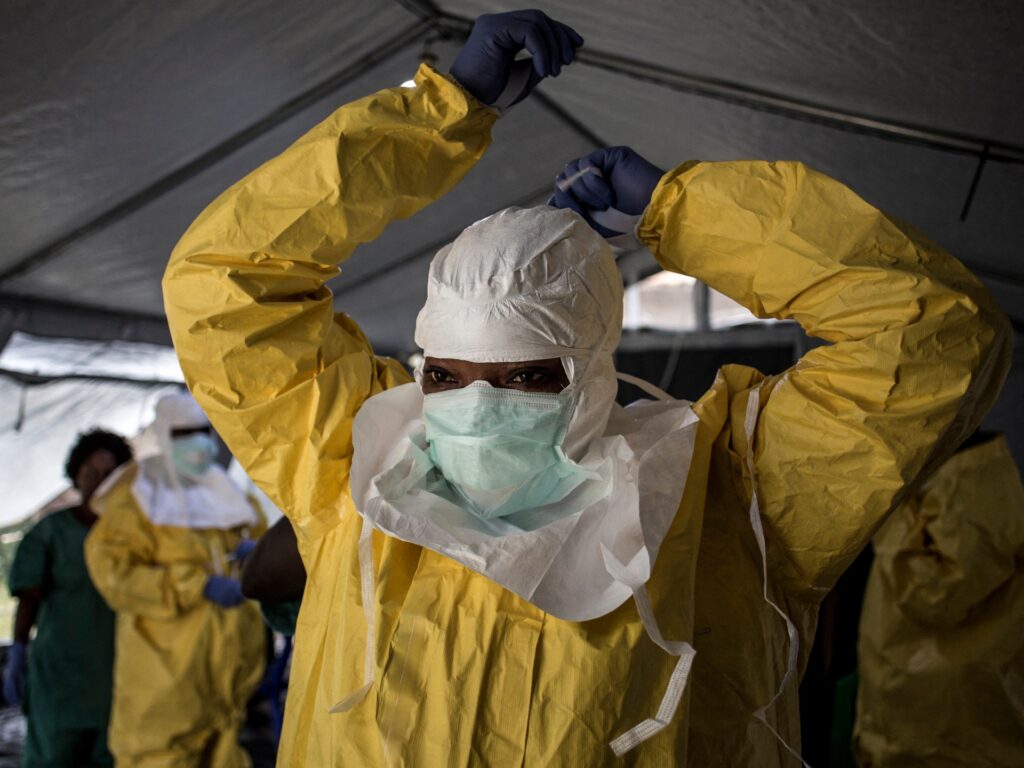
Healthcare workers on the ground face immense challenges, risking their lives to provide care amidst inadequate supplies and infrastructure. Their dedication is crucial, yet the need for more sustainable investment in health services is urgent to prevent future outbreaks.
Ebola’s return to the DRC serves as a sobering reminder of the fragile health ecosystems in many parts of the world. It underscores the necessity for a comprehensive approach that includes community engagement, education, improved healthcare delivery, and strong international cooperation.
The people of Mongbwalu and the broader DRC deserve more than reactive emergency responses. Breaking the cycle of outbreaks requires a steadfast commitment to strengthening health systems and addressing the root causes that make Ebola’s return so devastatingly recurrent.
In the face of tragedy, there is hope that with concerted global and local efforts, future outbreaks can be contained more effectively, ultimately sparing families in the DRC from further heartbreak.