Italy and France have recently summoned Israeli envoys in response to escalating tensions surrounding the Gaza-bound flotilla incident. At the center of the diplomatic stir are at least 87 activists who were detained by Israeli forces while attempting to deliver aid to Gaza. These activists, now abducted, have initiated a hunger strike to protest their detention and draw international attention to their cause.
The flotilla, aimed at delivering humanitarian aid to the blockaded Gaza Strip, has been a point of contention for years, with Israel maintaining strict control over Gaza’s borders citing security concerns. The interception of the flotilla and subsequent detention of activists have reignited debates on human rights and freedom of navigation in the region.
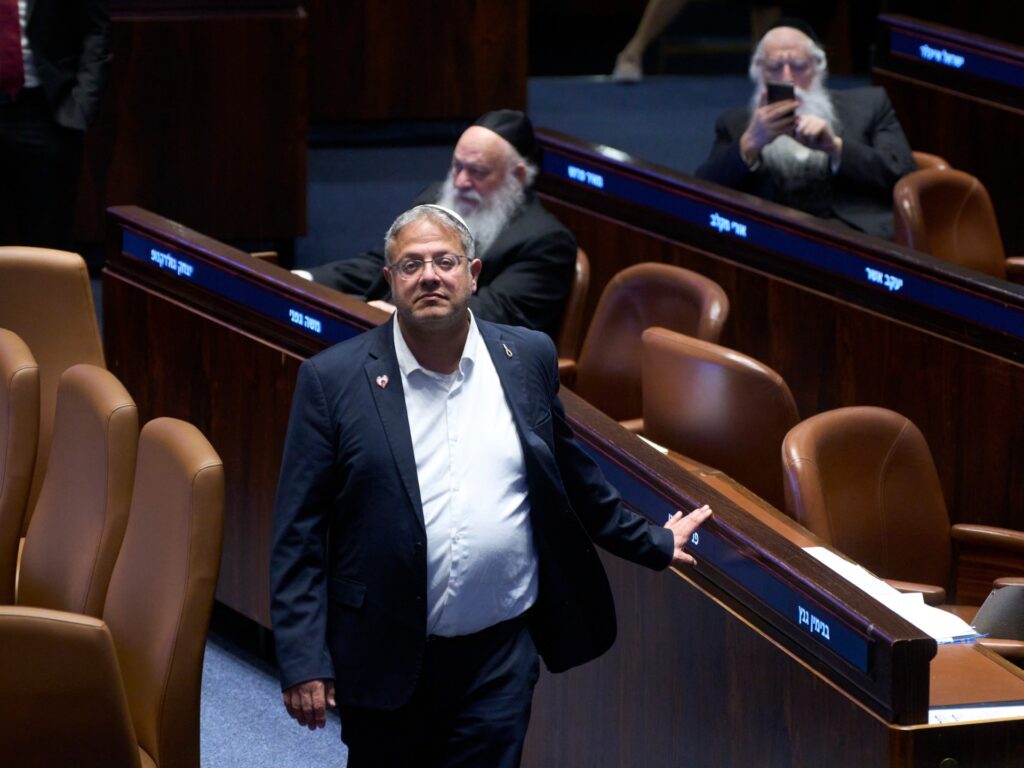
Israel’s far-right Minister Itamar Ben-Gvir has publicly taunted the detained activists, a move that has drawn sharp criticism from international communities and governments alike. His comments have added fuel to an already volatile situation, prompting countries like Italy and France to take diplomatic action.
The hunger strike began shortly after the activists were detained, signaling their determination to bring global awareness to their plight. The activists, who come from various countries and organizations, emphasize the need for humanitarian assistance to Gaza, which has faced blockades and repeated conflicts for over a decade.
Italy’s foreign ministry issued a statement condemning the detention of peaceful activists and called for their immediate release, emphasizing respect for international law and human rights. Similarly, France has urged Israel to exercise restraint and engage in dialogue rather than confrontation.
The summoning of Israeli envoys by these European nations signifies the seriousness with which the situation is being viewed internationally. Diplomatic channels are being used in an attempt to de-escalate tensions and prevent further deterioration of relations.
The Israeli government’s stance remains firm on the blockade policy, arguing that it is necessary to prevent arms smuggling and safeguard Israeli citizens. However, critics argue that the blockade exacerbates the humanitarian crisis in Gaza and violates international norms.
This incident comes amid ongoing global debates regarding the Middle East conflict and the rights of Palestinians. International organizations have previously reported concerns about restrictions on aid and access to the Gaza Strip.
Human rights groups worldwide have condemned the detention of the activists and the treatment they have received, calling for unhindered humanitarian access and respect for peaceful protest.
As the hunger strike continues, there is growing international pressure on Israel to resolve the issue diplomatically. The actions of Italy and France may encourage other countries to follow suit, increasing diplomatic engagement with Israel over Gaza policies.
The Gaza flotilla incident highlights the complexities of the Israeli-Palestinian conflict, where security concerns intersect with humanitarian issues and international law.
Observers note that the situation could influence upcoming international discussions and negotiations related to Middle East peace efforts.
In conclusion, the summoning of Israeli envoys by Italy and France underscores escalating international concern over Israel’s handling of the Gaza-bound flotilla and the detained activists. The hunger strike by the activists highlights the urgent need for humanitarian considerations amidst ongoing geopolitical tensions. The coming days may prove critical in shaping the diplomatic landscape surrounding the Gaza conflict and efforts to ensure peaceful solutions and respect for human rights.