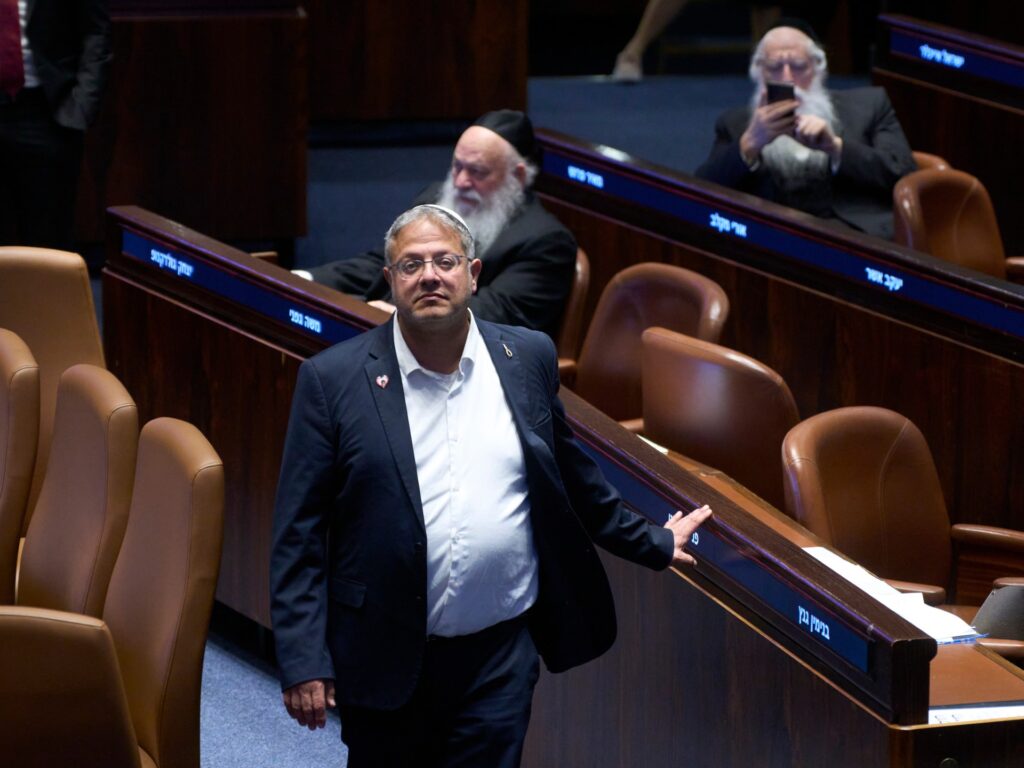
Italy has taken a significant diplomatic step by summoning Israel’s envoy following provocative remarks made by Israeli Minister Itamar Ben-Gvir towards activists involved in a Gaza-bound aid flotilla. This move highlights the growing international concern over the treatment of humanitarian activists and the escalating tensions in the region.
The incident centers around an aid flotilla bound for Gaza, where Israeli forces intercepted and abducted at least 87 activists aboard the vessels. These activists are part of an international effort to deliver humanitarian aid to the Gaza Strip, a region that has been subject to stringent blockades and conflicts.
In response to their detention, the activists have commenced a hunger strike, signaling their protest against the conditions of their captivity and the broader political issues surrounding the blockade of Gaza. Their hunger strike brings additional international attention and urgency to their cause, emphasizing concerns about human rights and freedom of movement for aid workers.
Italian officials have expressed strong disapproval over the provocative statements made by Minister Ben-Gvir, which were viewed as inflammatory towards the activists and dismissive of their humanitarian mission. By summoning the Israeli ambassador, Italy aims to convey its displeasure and demand a more respectful and humanitarian approach from Israel regarding the treatment of aid workers and diplomatic relations.
This diplomatic gesture by Italy is indicative of the wider European and global response to the ongoing situation in Gaza, reflecting apprehensions about the humanitarian impact of restrictions and the need for peaceful, diplomatic resolutions. The flotilla incident is seen as part of a larger pattern of confrontations and political strife involving access to Gaza and the rights of activists and aid organizations.
The Israeli government has maintained that its actions are in line with security concerns targeting the blockade enforcement and preventing unauthorized entries into Gaza. However, critics argue that such measures disproportionately affect humanitarian efforts and escalate tensions rather than fostering dialogue.
International human rights organizations have called for the immediate release of the detained activists and for all parties to respect the rights and safety of humanitarian workers. The hunger strike has added pressure on Israel to reevaluate its policies and treatment of aid personnel.
Italy’s diplomatic action to summon Israel’s envoy serves as a critical reminder of the delicate nature of international relations in the region and the importance of upholding humanitarian principles amid political conflicts. The development underscores the need for continued diplomatic engagement to ensure peaceful resolutions and support for those devoted to aiding vulnerable populations in conflict zones.
As the situation unfolds, the international community watches closely, urging restraint, respect for human rights, and constructive dialogue to address the complex issues surrounding Gaza and the efforts to provide relief to its residents. The activists’ ongoing hunger strike symbolizes a poignant plea for justice and humanitarian consideration amidst the geopolitical tensions.