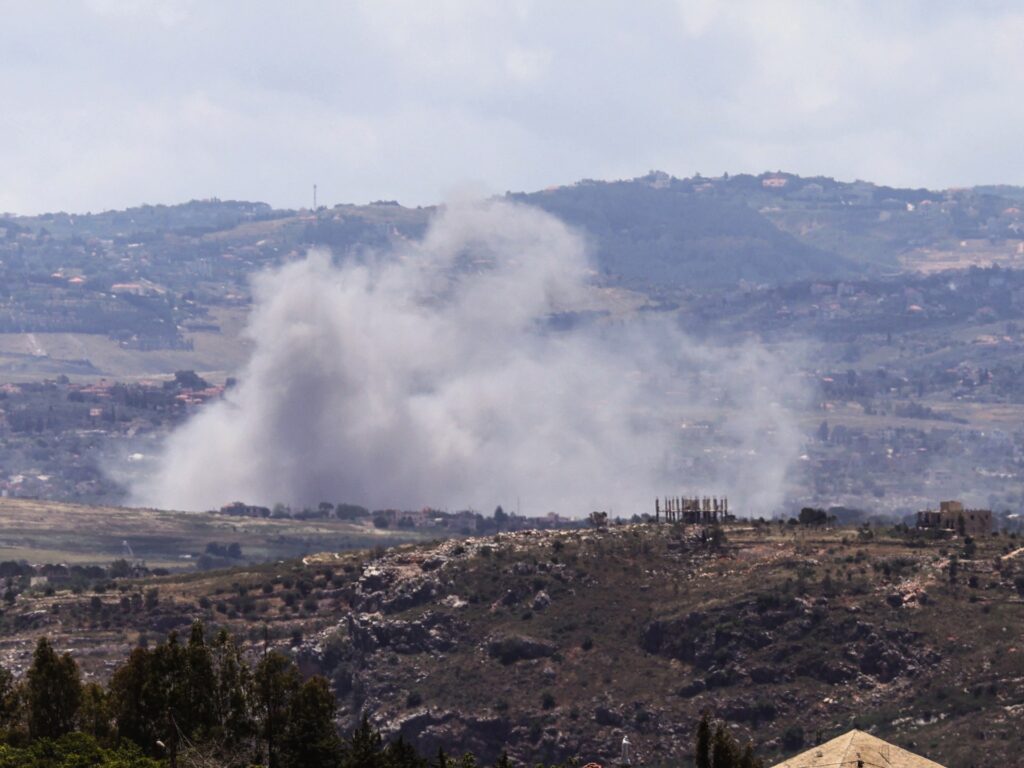
In a disturbing escalation of hostilities, Israeli air attacks on southern Lebanon have resulted in the deaths of at least eight individuals. This surge in violence comes despite the recent extension of a ceasefire agreement, which was expected to last until the beginning of July. The renewed airstrikes have shattered the fragile peace in the region, raising concerns about the stability of the ceasefire and the broader implications for regional security.
The air attacks targeted multiple locations in southern Lebanon, an area that has been a focal point of conflict between Israeli forces and various militant groups. Residents of the affected areas reported intense bombardment, with several buildings destroyed and numerous casualties. Emergency services have been working tirelessly to attend to the wounded and recover bodies from the rubble.
The ceasefire, initially brokered to reduce hostilities and create a pathway toward peace negotiations, appears to be under severe strain. Observers and international diplomats had hoped the extension until early July would provide a window for dialogue and de-escalation. However, the continuation of air raids threatens to derail these efforts and could trigger further retaliatory actions.
Israeli officials have justified the airstrikes as necessary measures against perceived threats from militant factions operating in southern Lebanon. They argue that these groups continue to pose a danger to Israel’s security despite the ceasefire, necessitating preemptive actions to neutralize potential attacks. Conversely, Lebanese authorities and international observers have condemned the strikes, citing violations of the ceasefire and calling for restraint from all parties.
The civilian population in southern Lebanon faces increasing hardship amid the conflict. Apart from immediate dangers to life and property from air attacks, the instability has disrupted essential services, including healthcare, education, and access to food and clean water. Humanitarian organizations are raising alarms about the growing needs of displaced families and the urgent requirement for aid.
Regional actors and the international community are watching developments with increasing concern. There are calls for renewed diplomatic engagement to reinforce the ceasefire and address the underlying issues fueling tensions. Experts emphasize the importance of dialogue, confidence-building measures, and mechanisms to monitor compliance with the ceasefire agreement.
This latest episode underscores the fragility of peace efforts in the region and the complex challenges of achieving lasting stability. The death of at least eight individuals in these air attacks serves as a grim reminder of the human cost of continued conflict and the urgent need for sustainable solutions that prioritize peace and the protection of civilians.
As the ceasefire period continues amid this volatility, stakeholders must work collaboratively to prevent further escalation and ensure that the path toward peace is not lost amid renewed violence. The situation remains fluid, and the coming days will be critical in determining whether the ceasefire holds or further confrontations erupt.