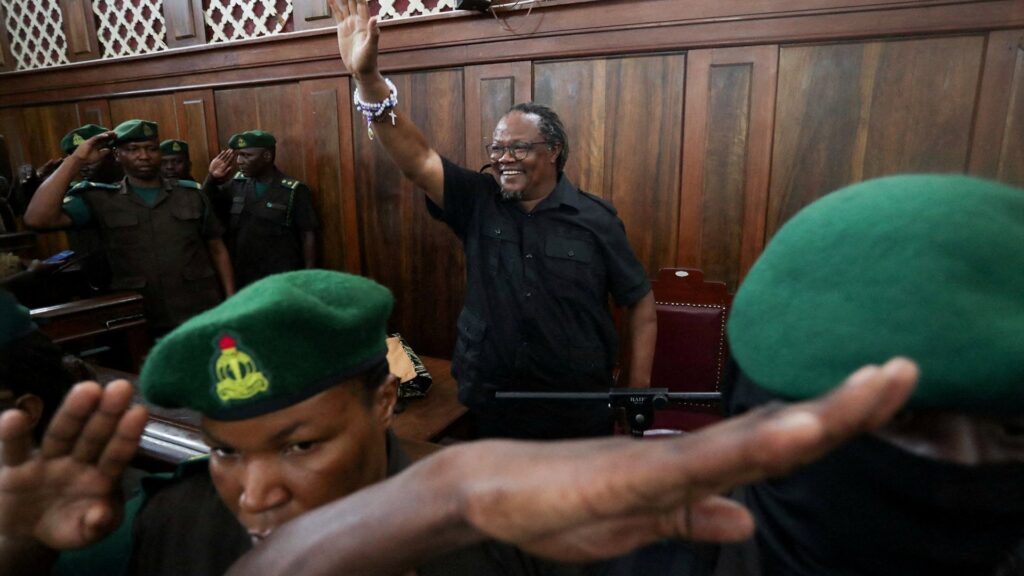
Tundu Lissu, a prominent opposition leader in Tanzania known for his outspoken criticism of the government, has been sentenced to jail in a case that has drawn widespread condemnation and allegations of political motivation. The trial and subsequent conviction of Lissu have ignited international concerns about the state of democracy and human rights in Tanzania.
Lissu, who has been an active voice against corruption and government malpractices, was arrested and charged with offenses that his supporters and human rights organizations argue are fabricated to silence dissent. The charges have been widely viewed as lacking credible evidence and as an attempt to intimidate opposition figures ahead of upcoming elections.
Observers note that the Tanzanian government has increasingly cracked down on political opponents and critical media in recent years, raising alarms about the erosion of democratic freedoms. Lissu’s imprisonment is seen by many as part of a broader pattern to stifle political opposition and prevent any effective challenge to the ruling party’s hold on power.
International human rights groups and foreign governments have called for Lissu’s immediate release and urged Tanzanian authorities to ensure fair treatment of all political actors. The case has sparked protests and calls for justice from activists within Tanzania and across the African continent.
Supporters of Lissu highlight his long history of advocating for democratic reforms and fighting against corruption, portraying his jailing as a setback for political pluralism in Tanzania. They argue that silencing leaders like Lissu undermines the fundamental right to political participation and peaceful dissent.
The judicial process leading to Lissu’s conviction has been criticized for its lack of transparency and alleged influence by political interests. Legal experts suggest that such cases jeopardize the credibility of Tanzania’s legal system and weaken public trust in governance institutions.
As the international community monitors the situation closely, there are calls to engage in dialogue with Tanzanian authorities to reaffirm commitments to human rights and democratic principles. The outcome of this case could have lasting implications for the future of political freedom and democratic governance in Tanzania.
Amidst the controversy, Lissu’s case underscores the broader challenges faced by opposition movements in countries where political power is heavily centralized. It raises important questions about the balance between national security and individual freedoms, and about the role of the judiciary in upholding justice without bias.
With elections approaching, the repression of opposition voices threatens to undermine electoral integrity and peaceful political competition. Activists worry that without reforms, Tanzania may face increased political instability and social unrest.
The international community remains vigilant, advocating for legal reforms and protection of political rights to ensure that Tanzania can move towards a more open and democratic society. Meanwhile, supporters of Tundu Lissu continue to campaign for his release and for respect of democratic norms in the country.