The ongoing Iran war and escalating tensions in the Gulf region have significantly disrupted the global energy landscape. As Iran targets key infrastructure critical to energy production and transportation, the ramifications for the world’s oil markets are becoming increasingly pronounced.
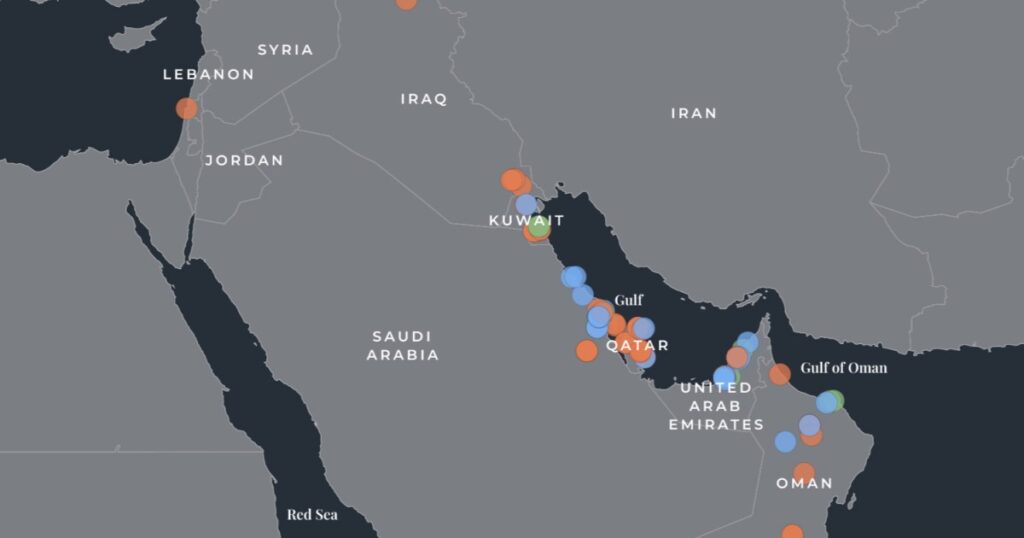
The Gulf region, a pivotal hub for the world’s oil supply, has witnessed a series of strikes that have put vital oil and gas assets at substantial risk. These strikes have targeted pipelines, offshore platforms, refineries, and shipping routes, leading to concerns over the stability of supply chains and the potential for prolonged energy shortages.
US energy companies, many with substantial investments and operations in the Gulf, have directly benefited from the rising oil prices triggered by the conflict. The surge in prices has translated into billions of dollars in profits, bolstering American energy sector revenues and strengthening the country’s position in global markets.
However, the same assets that have driven US corporate gains remain vulnerable amidst the conflict. Facilities located in politically unstable or conflict-prone areas face risks of damage, disruption, and potential shutdowns. Insurance premiums for such operations have skyrocketed, and security costs have likewise escalated, threatening long-term profitability.
Beyond immediate economic impacts, the Iran war poses deeper strategic challenges for the future of oil. Prolonged conflict could accelerate efforts by oil importing countries to diversify their energy sources or transition towards renewable alternatives. Additionally, instability in the Gulf might prompt global powers to rethink their reliance on the region’s hydrocarbons, triggering shifts in energy policy and international alliances.
The disruption of supply routes, such as the Strait of Hormuz – through which a significant portion of global oil passes – amplifies these concerns. Any blockage or sustained interference would create a ripple effect, pushing prices higher and intensifying market volatility.
Moreover, the environmental risks from such attacks are immense. Oil spills, fires, and other industrial accidents resulting from targeted strikes could have devastating impacts on marine ecosystems and communities dependent on these waters.
In this volatile environment, energy companies are compelled to bolster their risk management strategies. Investment in advanced surveillance, hardened infrastructure, and alternative logistics chains is becoming increasingly necessary to ensure operational continuity.
Meanwhile, geopolitical dynamics continue to evolve rapidly. The involvement of external actors and the shifting alliances in the Middle East create a complex web of interests that further complicates the security and economic calculus surrounding Gulf energy.
For policymakers, the conflict underscores the need for robust international cooperation to safeguard energy supplies and stabilize markets. Coordinated diplomatic efforts and conflict resolution mechanisms are vital to prevent further escalation and ensure energy security.
Consumers worldwide also face repercussions. Elevated oil prices impact the cost of transportation, manufacturing, and everyday goods, contributing to broader economic inflation and social strain.
In conclusion, the strikes resulting from the Iran war represent more than just immediate disruptions; they are reshaping the future trajectory of global oil markets. US energy companies may continue to profit in the short term, but the long-term outlook depends on how the conflict unfolds and how the global community responds.
Strategies emphasizing diversification of energy sources, investment in renewable technology, and enhanced regional stability will likely define the post-conflict energy landscape.
As the crisis persists, close monitoring of developments in the Gulf remains critical for stakeholders worldwide, highlighting the interconnectedness of global energy and geopolitical stability.