Iran’s cautious and prolonged consideration of the US proposal aimed at ending the ongoing conflict reflects a complex interplay of strategic, political, and security issues deeply embedded in the region. At the forefront of these issues is Tehran’s advancing nuclear program, which remains a critical point of contention. The Iranian leadership is highly sensitive about any agreement that might undermine their nuclear ambitions or subject them to international oversight that they perceive as intrusive or prejudicial to national sovereignty.
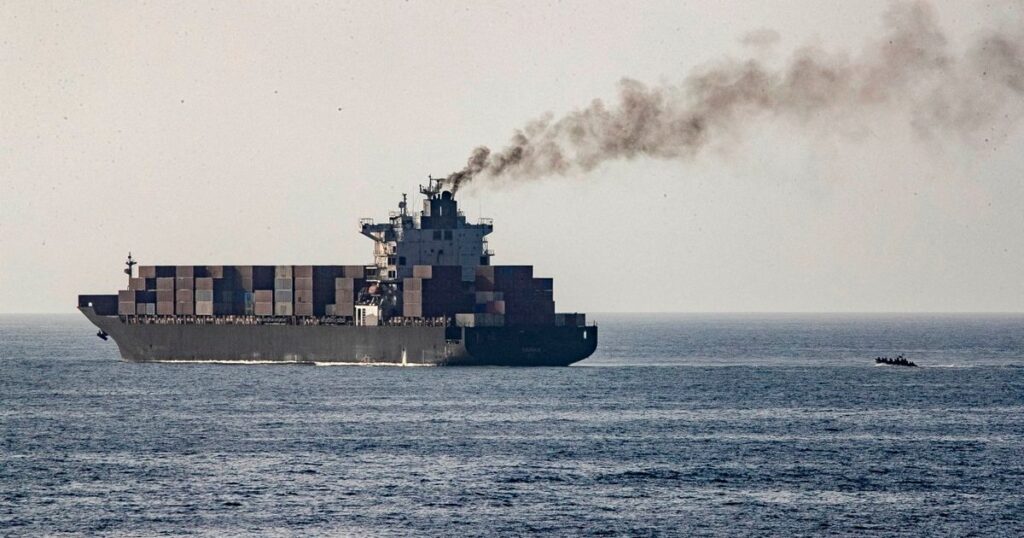
Another key sticking point is the strategic importance of the Strait of Hormuz, a vital waterway through which a significant portion of the world’s petroleum passes. Iran’s control over this strategic choke point gives it substantial leverage, and any proposal that appears to threaten this leverage or the nation’s ability to assert dominance over the strait is met with intense scrutiny.
The US proposal, while aimed at achieving a peaceful resolution, must therefore be assessed in light of Iran’s security concerns and regional ambitions. Tehran’s leadership is likely consulting extensively with its military advisors, political allies, and regional partners to evaluate the implications of accepting or rejecting the offer.
Political factors also contribute to the delay. Internally, Iran faces pressures from various factions with differing views on engagement with the West. Hardliners advocate for a strong stance against perceived US aggression, while moderates might support diplomatic solutions. Balancing these internal factions requires careful deliberation to maintain political stability.
Moreover, the global geopolitical landscape adds layers of complexity. Iran is mindful of the reactions from other influential powers such as Russia, China, and European countries, whose positions could influence or be influenced by Tehran’s response.
Economic considerations further complicate the issue. Iran faces sanctions and economic challenges, and any deal that could lead to sanction relief is attractive but must be weighed against the sovereignty and national pride associated with its nuclear program.
In summary, Iran’s delay in responding to the US proposal is not merely a matter of procrastination but a strategic pause. This pause allows Tehran to weigh its options carefully, considering the intricate balance of military, political, economic, and geopolitical factors that will shape the country’s future. The outcome remains uncertain, but what is clear is that Iran’s response will be a calculated move reflecting a broad spectrum of national interests and regional implications.