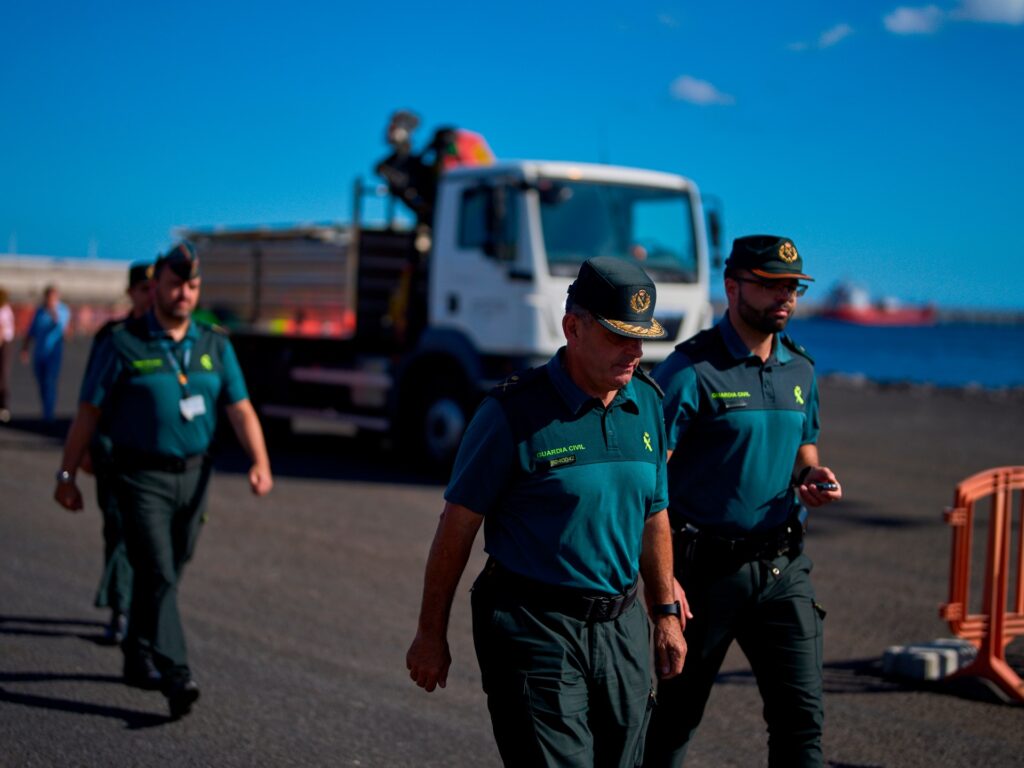
Spanish authorities in the Canary Islands are preparing for the arrival of the MV Hondius, a cruise ship carrying 140 passengers and crew members, that has been confirmed to have hantavirus on board. This serious viral infection, typically transmitted through rodent droppings, poses a significant health risk, prompting stringent safety measures. Officials have announced that all individuals on the ship will be ‘completely isolated’ upon arrival to prevent any potential spread of the infection within the island community.
The MV Hondius, which has been traveling through the region, became a focal point of concern when cases of hantavirus were detected among those onboard. In response, Spanish health authorities and local government have coordinated an evacuation plan that ensures the affected are moved to secure facilities equipped to handle such infectious diseases safely.
The isolation will take place immediately on arrival, with medical teams ready to conduct thorough health checks and administer necessary treatments. The authorities are working closely with international health organizations to monitor the situation and to establish protocols that could prevent any outbreak within the Canary Islands, a major tourist destination.
Hantavirus is a dangerous zoonotic disease that, if left untreated, can lead to severe respiratory distress and can be fatal. The virus is rare in humans but can cause outbreaks when exposure to infected rodents leads to new cases. The Canary Islands, known for their tourism-dependent economy, are particularly vigilant about any health threats that could affect visitors and residents alike.
Local residents have expressed concern over the situation, but authorities assure that all precautionary measures are being taken to protect public health. Information campaigns are underway to educate the community about hantavirus symptoms and prevention strategies.
The incident has sparked broader discussions about the health protocols applied to cruise ships globally, especially in the wake of recent pandemics. Stakeholders emphasize the need for improved monitoring and reporting systems to avoid similar incidents in the future.
Passengers aboard the MV Hondius have been cooperating with healthcare providers and are reportedly in stable condition, though continuous medical observation is planned. Authorities anticipate the isolation and evacuation process to be completed swiftly and hope to contain the virus without further infections.
This situation underscores the critical importance of vigilant health measures in transportation hubs and popular travel spots. The Canary Islands government has committed to maintaining transparency and updating the public as new developments arise, assuring them of their safety and well-being. The health and safety of both the local population and travelers remain the utmost priority as the situation continues to evolve.