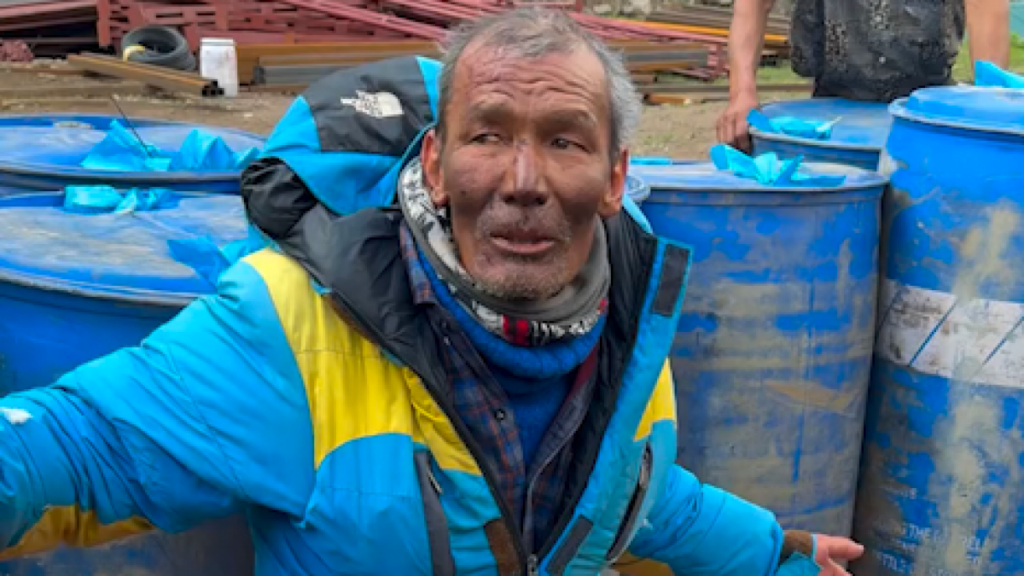
In a remarkable tale of survival, a Nepali Sherpa has been found alive on the slopes of Mount Everest after being missing for six days. The Sherpa endured this time without food or oxygen, highlighting an extraordinary feat of human endurance and resilience.
Mount Everest, the world’s tallest peak standing at 8,848 meters, poses severe challenges due to its extreme altitude, freezing temperatures, and unpredictable weather conditions. Sherpas, indigenous to the Himalayan region, are renowned for their exceptional mountaineering skills and acclimatization to high altitudes.
The missing Sherpa was reported absent after embarking on a routine mission supporting climbers on the mountain. His disappearance sparked an urgent rescue operation involving local guides and international rescuers who scoured the dangerous terrain immediately upon learning of his absence.
Rescue teams faced significant obstacles as they navigated treacherous icefalls, crevasses, and harsh weather. Despite these challenges, the dedicated efforts paid off when the Sherpa was finally located alive, albeit weak and suffering from severe dehydration and exposure.
Medical personnel on site provided immediate care, administering oxygen and hydration while preparing for a careful descent to a safer altitude. The Sherpa’s survival without nourishment or supplemental oxygen at such heights has astonished experts, as the human body typically cannot endure prolonged periods in extreme conditions without support.
Local authorities praised the rescue teams for their swift and courageous response, emphasizing the Sherpa’s vital role in the mountaineering community. The incident has sparked discussions about the dangers faced by Sherpas, who often risk their lives as they assist climbers, carrying heavy loads and navigating perilous landscapes.
Mount Everest expeditions have grown in popularity, attracting adventurers worldwide, which has increased pressure on Sherpas and raised concerns about safety protocols. The Nepalese government is reportedly reviewing guidelines to enhance the safety of all climbers and support staff on the mountain.
Survival stories like this one shed light on the fierce determination and spirit of the Sherpa people. Their profound knowledge of the mountainous terrain and physical resilience remain crucial for successful climbs on Everest.
As the Sherpa continues his recovery, the mountaineering community reflects on this extraordinary rescue operation as a reminder of the unpredictable nature of Everest and the need for vigilance, preparation, and respect for the mountain’s formidable environment.
This incident stands as a powerful testament to human willpower and the bravery of the Sherpas, whose expertise and selflessness are indispensable to Himalayan mountaineering.
Further updates on the Sherpa’s condition and ongoing rescue protocol enhancements are expected, as Nepal strives to balance adventure tourism with the preservation of life and culture in the high Himalayas.