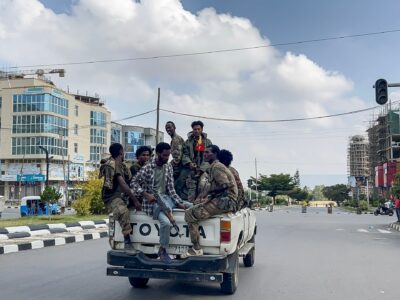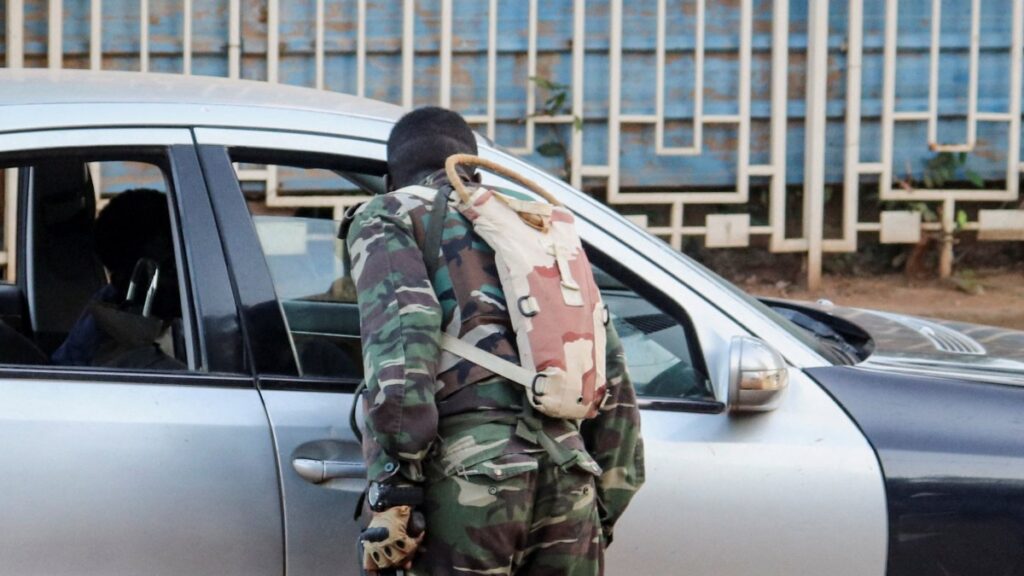
In the capital city of Niamey, a significant military mutiny recently erupted, shaking the nation and putting the military-led government on high alert. The mutiny originated at a military base in Niamey and swiftly spread to strategic locations, including areas near the presidential palace and the state broadcaster, threatening to destabilize the already fragile political environment.
The government’s announcement that the mutiny has been contained marks a crucial turning point, but it also sparks questions about the country’s path forward amid ongoing political tensions. The military-led government, which came into power under contentious circumstances, is now tasked with restoring and maintaining order while addressing the underlying issues that led to the unrest.
The origins of the mutiny suggest internal dissent within the military ranks, highlighting fractures in loyalty and dissatisfaction that could potentially weaken the government’s control. The rapid spread of the uprising to critical centers of power underscores the vulnerability of the current administration and raises alarms about the stability of Niger’s governance.
In response to the mutiny, security forces have reportedly regained control over the affected areas, and steps have been taken to prevent further escalation. However, the government must now focus on reconciliation efforts to bridge divides within the military and society at large. The role of political opposition groups and civil society is also being scrutinized as the country seeks a path toward national unity.
International observers and regional partners are closely monitoring the situation, expressing concerns over the potential for prolonged instability. Support for dialogue and peaceful resolution is being emphasized to avoid descending into widespread conflict. Niger’s strategic position in West Africa makes its stability crucial for regional security and counterterrorism initiatives.
The future steps include a thorough investigation into the causes of the mutiny, reforms within the military to ensure loyalty and discipline, and possibly negotiations among various factions to strengthen the democratic process. The government’s handling of these events will be critical in determining Niger’s political trajectory.
This mutiny serves as a stark reminder of the delicate balance of power in Niger and the ongoing challenges faced by governments in transitional periods. While the immediate crisis has been contained, the long-term implications for governance, security, and civil-military relations remain uncertain.
As Niger navigates these turbulent times, the international community’s support, coupled with domestic commitment to stability and reform, will be instrumental in shaping a resilient future. The nation stands at a crossroads, with the need for cohesive leadership and inclusive policies more urgent than ever before.