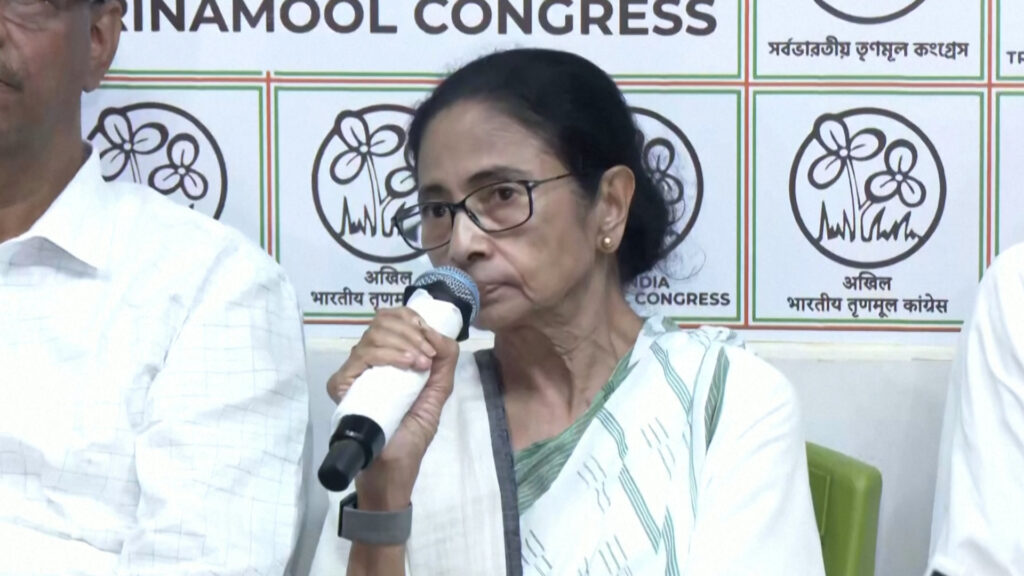
In the wake of the recent electoral defeat of the Trinamool Congress (TMC) in West Bengal, the party’s chief, Mamata Banerjee, has unequivocally refused to step down from her position. Banerjee, a towering figure in West Bengal politics and a prominent leader in the national arena, described the election process as ‘dirty’ but nevertheless dismissed calls for her resignation.
The recent elections saw the TMC losing ground, prompting rivals and political commentators to speculate about potential leadership changes within the party. However, Mamata Banerjee has stuck to her stance, expressing deep dissatisfaction with the manner in which the elections were conducted.
Banerjee’s rejection to resign comes amid growing concerns over political maneuvering and alleged unfair practices during the election. She criticized the conduct of the election authorities and opposed what she termed as efforts to undermine democratic principles. Despite the setback, she emphasized her commitment to continuing the political fight and working for the people of West Bengal.
This firm position has resonated with many of her supporters who see the election results as a setback rather than a definitive end to the party’s influence in the state. Banerjee reiterated her belief that the TMC remains the people’s choice and that the party will regroup and strategize for future contests.
Political analysts note that Banerjee’s decision to remain at the helm reflects the resilience and enduring appeal she holds among her base. They suggest that this defiance could lead to a politically charged atmosphere in West Bengal as the TMC plans its next moves.
The Chief Minister’s statement and ongoing political dynamics in West Bengal underscore the intense rivalry and ongoing power struggle in one of India’s most politically vibrant states. It remains to be seen how the situation will evolve and whether the Trinamool Congress can regain its footing in upcoming elections.
Mamata Banerjee’s refusal to resign may also impact the state’s governance and policy direction, as she asserts her leadership during this period of political flux. Observers will be watching closely how this stance influences both the party’s internal cohesion and its engagement with opposition forces.
The coming months are expected to be critical for West Bengal’s political landscape, with Mamata Banerjee at the center of the unfolding drama. As the situation develops, the Trinamool Congress’s strategies and Banerjee’s leadership will be key factors shaping the state’s future political trajectory.