In the escalating tensions between the United States and Iran, the Strait of Hormuz has once again become a focal point of international attention. President Donald Trump has signaled strong confidence in the U.S. position against Iran, leading some analysts to ask whether he holds “all the cards” in this high-stakes standoff.
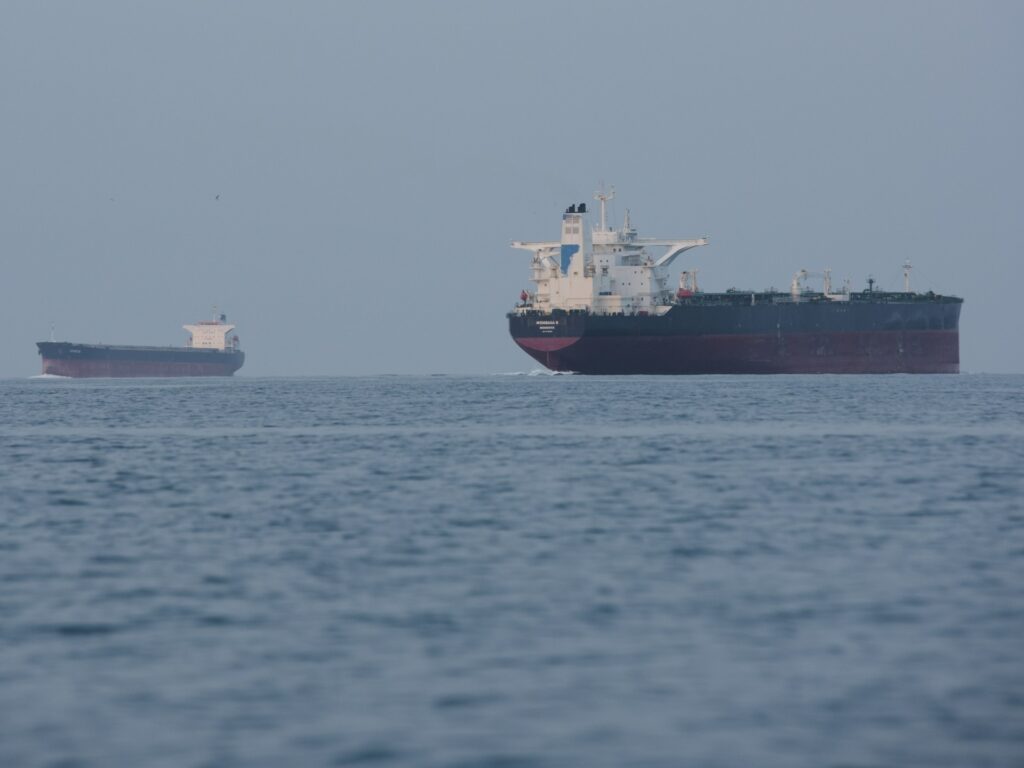
The Strait of Hormuz is a strategic chokepoint through which a significant percentage of the world’s oil passes. Control or disruption of this vital waterway could have profound impacts on global energy markets and geopolitical stability. In recent days, incidents involving Iranian forces and U.S. Navy vessels have heightened fears of a potential military confrontation.
Trump’s administration has taken a firm stance on Iran’s nuclear ambitions, regional influence, and maritime provocations. Through a mix of economic sanctions, diplomatic pressure, and direct military presence, Washington has sought to curb Tehran’s actions. Trump’s public statements express a readiness to respond robustly if provoked, signaling deterrence while advocating for negotiations from a position of strength.
Critics, however, caution that the situation is more complex than a simple card game. Iran has demonstrated resilience and strategic cunning, utilizing asymmetric tactics such as proxy forces and cyber operations to advance its interests. Tehran’s leverage over the Strait of Hormuz—the gateway for approximately 20% of global oil shipments—means it can disrupt supply chains even without full-scale warfare.
Moreover, Trump’s confident rhetoric serves multiple purposes. It reassures U.S. allies and domestic audiences of American resolve but may simultaneously raise the risk of miscalculation. Diplomatic channels remain fragile, and any incident in the Strait could rapidly escalate into broader conflict.
Experts suggest that while Trump holds significant leverage through military and economic tools, the evolving dynamics require careful management. The balance of power hinges not only on direct confrontation but also on alliance-building, intelligence capabilities, and the capacity to control escalation.
In summary, President Trump’s stance portrays a belief in holding “all the cards” against Iran in the Strait of Hormuz, yet the underlying reality is nuanced. The strategic environment calls for prudence and multilayered engagement to prevent tension from spiraling beyond control, ensuring that this critical waterway remains open and secure for global commerce.