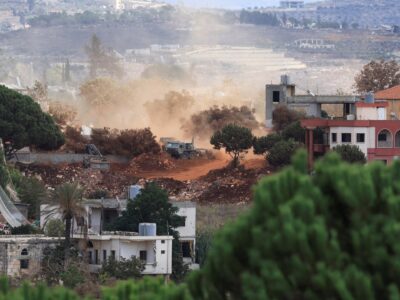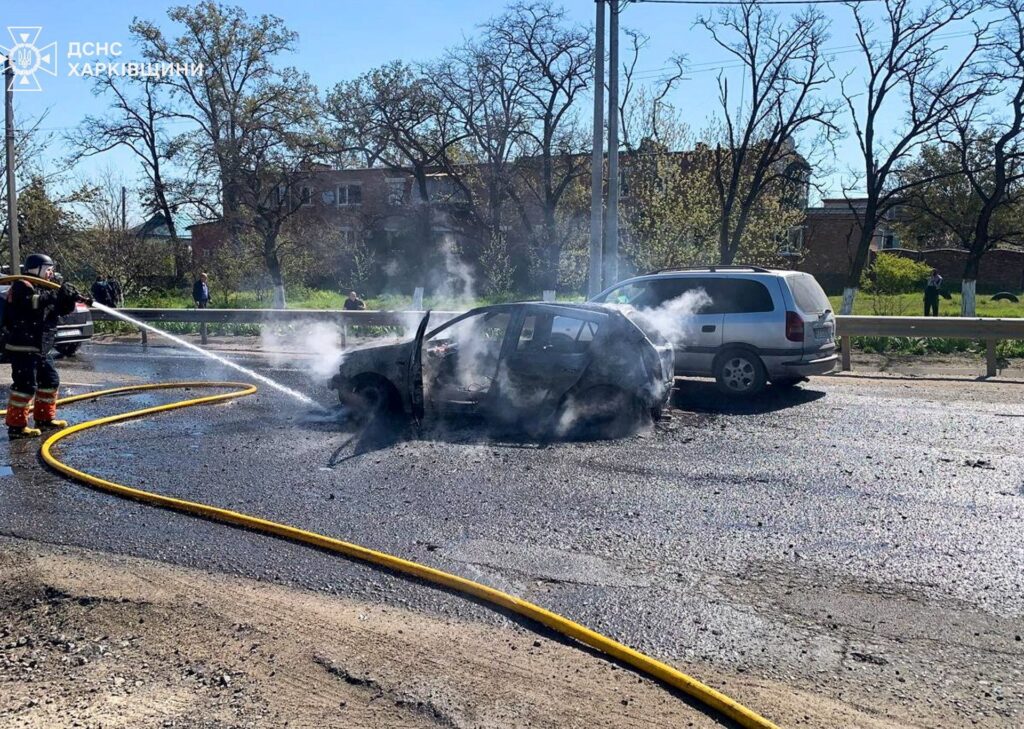
In a recent escalation of the ongoing conflict, Russian missile strikes have resulted in the deaths of at least eight individuals in Ukraine. The cities of Kharkiv and Kherson, key urban centers, were specifically targeted in these attacks, leading to significant casualties and damage. The strikes underscore the persistent violence faced by Ukraine amid increasing military tensions.
Kharkiv, known for its strategic importance and industrial capacity, has seen repeated assaults as Russian forces attempt to undermine Ukraine’s resistance. The latest missile strikes have compounded the suffering of civilians already living under threat, disrupting everyday life and causing widespread devastation.
Similarly, Kherson, a focal point of contention between Ukrainian and Russian forces, suffered severe consequences from the bombings. The city’s infrastructure has been heavily impacted, further complicating humanitarian efforts and the delivery of essential services.
In a notable development, Moscow, the Russian capital, experienced a rare and symbolic attack itself. A series of drone strikes targeted the city, marking an unprecedented escalation as Ukrainian forces demonstrate capabilities to strike deep into Russian territory.
The drone attacks on Moscow disrupted normal life and heightened security alerts within the capital. Though the physical damage was limited compared to the missile strikes in Ukraine, the psychological and strategic implications are significant. It illustrates a new phase of warfare where drone technology expands the reach of conflict beyond traditional frontlines.
Experts suggest that these drone incursions serve both as a tactical move and a psychological tactic to demonstrate that no location is beyond the reach of Ukrainian forces. Moscow’s reported hit by drones could signal a shift in conflict dynamics, with increased vulnerabilities in areas previously considered secure.
The dual nature of these incidents — with Russia intensifying attacks in Ukrainian territories and Ukraine projecting power with drone strikes within Russia — highlights the escalating and complex nature of the conflict.
International reactions have been swift, with many condemning the violence and calling for renewed efforts toward peace negotiations. Humanitarian organizations have expressed deep concern over the impact on civilians, emphasizing the urgent need for relief and protection of non-combatants.
The evolving situation remains fluid, with potential implications for regional stability and global geopolitical relations. Analysts continue to monitor developments closely, noting that such escalations could lead to broader confrontations if unchecked.
The ongoing conflict has already caused humanitarian crises and economic disruptions. These recent events underscore the importance of international diplomatic engagement to prevent further loss of life and to work toward a sustainable resolution.