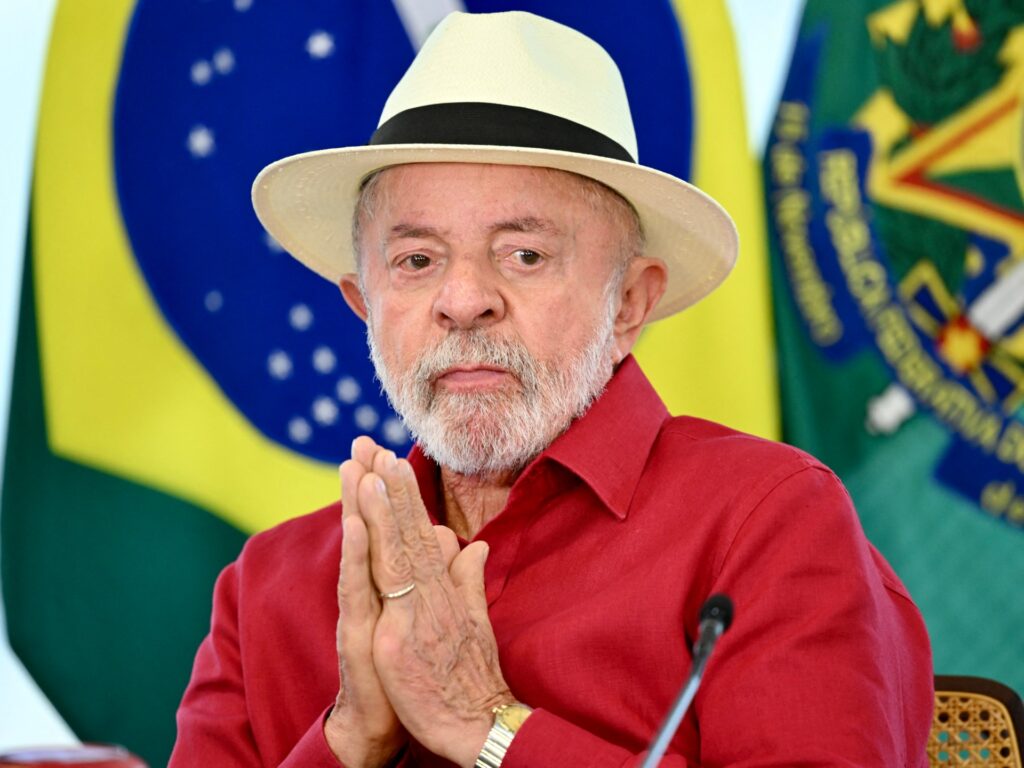
Brazil’s President Luiz Inácio Lula da Silva, popularly known as Lula, is scheduled to travel to the United States for a significant diplomatic meeting with US President Donald Trump later this week. Media reports have confirmed that this high-profile encounter will take place at the White House, underscoring the importance of the bilateral relationship between the two nations.
This meeting marks an important occasion as both leaders discuss pressing issues and potential areas for collaboration between Brazil and the United States. Lula, who has been actively involved in shaping Brazil’s domestic and foreign policies, is expected to engage in talks that could influence economic, environmental, and political cooperation.
The US-Brazil relationship has historically been characterized by trade partnerships, environmental concerns, and regional security collaborations. With recent global developments and changing geopolitical landscapes, both administrations aim to strengthen ties and explore new opportunities for mutual benefit.
President Lula’s visit to the United States follows his recent efforts to revitalize Brazil’s economy and enhance its role on the international stage. The discussions with President Trump may include topics such as trade agreements, investment opportunities, climate change initiatives, and strategic alliances in Latin America.
Analysts suggest that this meeting could pave the way for a new chapter in US-Brazil relations, emphasizing cooperation in technology, agriculture, and infrastructure development. Both leaders are anticipated to address global challenges and discuss the role of their countries in international organizations.
The timing of this summit is critical, as both nations face domestic and international challenges that require collaborative solutions. Economists and political experts are closely watching the outcomes of this bilateral engagement to assess potential impacts on policy and market dynamics.
In addition to formal discussions, President Lula’s visit offers a chance for cultural exchange and strengthening people-to-people ties between Brazil and the United States. The White House meeting will likely be followed by statements and possible joint initiatives aimed at reinforcing the partnership.
Officials from both countries have kept the itinerary and agenda relatively confidential, but sources indicate that energy cooperation and infrastructure development are likely topics on the table. Environmental policies, particularly regarding the Amazon rainforest, might also be focal points given global interest in sustainable development.
President Trump’s administration has shown interest in bolstering economic ties in the Americas, and Brazil, as the largest economy in South America, plays a vital role in this strategic vision. Lula’s engagement with President Trump aligns with a broader push to enhance diplomatic and economic engagement across the hemisphere.
Observers note that this meeting could also signal a shift in Brazil’s foreign policy orientation, with potential implications for regional alliances and international diplomacy. Both leaders are expected to emphasize sovereignty, economic growth, and security in their discussions.
The diplomatic encounter comes amid discussions about trade tariffs, market access, and regulatory cooperation. Business communities in both nations are hopeful that the meeting will lead to reduced barriers and increased investment.
Furthermore, this visit may address collaborative efforts in combating global health issues, counter-terrorism, and cyber-security, reflecting the multifaceted nature of modern diplomatic relations.
As the international community watches closely, the outcomes of this White House meeting could set the tone for future engagements between Brazil and the United States, impacting regional stability and global cooperation.
In conclusion, President Lula’s planned visit and meeting with President Trump represent a significant moment in US-Brazil relations, highlighting a commitment to dialogue and partnership. The discussions held in the coming days will be crucial in shaping the trajectory of collaboration between two of the Americas’ most influential nations.