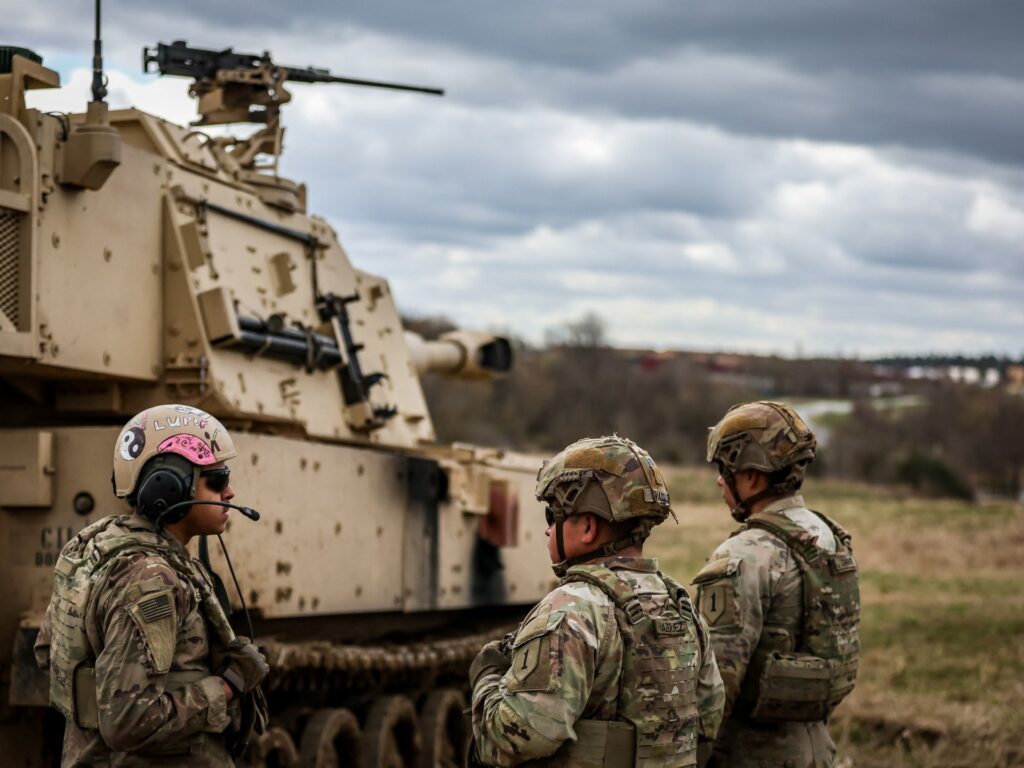
The United States has announced plans to withdraw approximately 5,000 troops from Germany over the next six to twelve months, triggering a thorough assessment by NATO as it weighs the implications of this significant military reallocation. This decision comes amid escalating tensions and a feud between the U.S. administration and several of its European allies, highlighting underlying disagreements on defense commitments and strategic priorities within the transatlantic alliance.
The announcement has caused considerable concern among NATO members, particularly within Germany, which hosts one of the largest concentrations of U.S. forces abroad. The withdrawal marks a notable shift in U.S. military posture in Europe at a time when the alliance is keenly focused on addressing various global security challenges, including the ongoing tensions with Russia and instability in the Middle East.
U.S. officials cite strategic realignment and cost-saving measures as key reasons for drawing down troops. Moreover, the move is perceived as part of a broader effort by the United States to recalibrate its global military commitments amid growing calls from some quarters for NATO members to increase their own defense spending and responsibilities.
German officials have expressed disappointment over the planned withdrawal, emphasizing the critical role that American forces play in maintaining the security and stability of Europe. Many European leaders fear that the reduction of U.S. presence could embolden adversaries and undermine NATO’s collective defense principle, enshrined in Article 5 of the NATO Charter.
The decision also lays bare the complex dynamics within the alliance, where differing national priorities and political calculations sometimes clash. Some analysts view this troop pullback as part of a broader realignment in the U.S.-Europe relationship under the current U.S. administration, characterized by a more transactional approach to international alliances.
NATO is currently assessing the operational impacts of the withdrawal, including adjustments to force deployments, command structures, and readiness levels across member states. The alliance is also engaging in dialogue to mitigate potential security gaps and reassure members of its continued commitment to collective defense.
Despite the challenges posed by the troop reduction, NATO officials stress that the alliance remains robust and adaptable. Efforts are underway to reinforce the capabilities of European armed forces and enhance cooperative defense initiatives to ensure NATO’s strategic objectives are met.
Public and political reactions within Germany and other European countries vary, with some advocating for increased domestic defense investment to compensate for the reduced American presence, while others call for renewed diplomatic efforts to strengthen transatlantic ties.
As the withdrawal proceeds, it will likely serve as a critical test of NATO’s unity and resilience. The alliance will need to balance its strategic imperatives with the political realities of its diverse membership to maintain effective defense cooperation in a rapidly evolving security environment.
In sum, the U.S. troop withdrawal from Germany is a development of significant geopolitical and military consequence. It encapsulates ongoing debates about burden-sharing, alliance solidarity, and the future shape of U.S. involvement in European security. NATO’s response and adaptability in managing this transition will play a crucial role in maintaining stability and deterrence in the region moving forward.