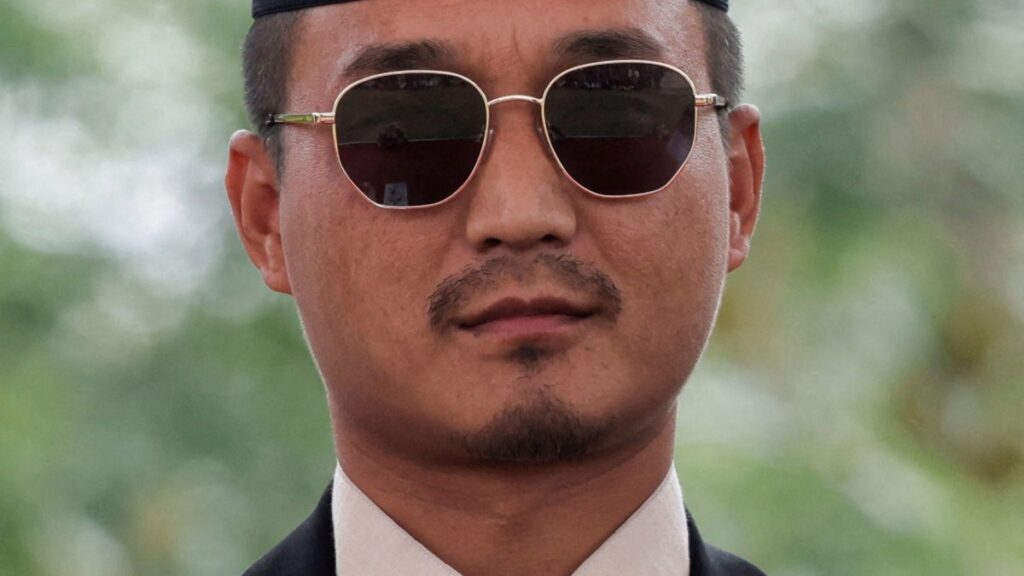
In a surprising development in Nepal’s political landscape, Sudan Gurung, the Home Minister, has tendered his resignation after serving less than a month in office. This marks the second cabinet member to exit the government within a span of just one month, reflecting a period of instability and significant challenges within the current administration.
Sudan Gurung cited concerns about questions related to his investments and other matters as the primary reasons behind his decision to step down. His resignation has sparked discussions and raised eyebrows across political corridors and among the public, with many wondering about the implications for the government’s stability.
The Home Minister’s role is critical, overseeing internal security, law enforcement, and coordination among various state agencies. Gurung’s brief tenure was expected to bring fresh perspectives to these vital areas, but his sudden departure has left a vacuum and raised concerns about the government’s ability to maintain continuity.
This resignation follows closely after another key cabinet exit, signaling a period of significant turbulence within Nepal’s executive branch. Analysts suggest that these resignations could be symptomatic of deeper issues within the ruling coalition, including internal disagreements and scrutiny over officials’ conduct and assets.
Political observers note that the rapid turnover of ministers can hinder effective policy implementation and disrupt ongoing initiatives aimed at governance reform and public service improvement. The government now faces the urgent task of filling these critical positions with capable leaders to restore confidence and stability.
Sudan Gurung’s resignation statement highlighted his commitment to transparency and accountability, indicating a willingness to address the questions raised formally. However, the specifics of the investment-related concerns remain undisclosed, fueling speculation and calls for greater clarity from both the government and opposition parties.
Public reaction has been mixed, with some expressing disappointment and others calling for thorough investigations to ensure ethical governance. Civil society groups emphasize the importance of accountability and the need for public officials to maintain trust by upholding high standards.
The Prime Minister and other senior cabinet members have yet to announce a replacement for Gurung or provide detailed comments on the resignation. Political insiders hint at possible cabinet reshuffles in the near future as the government attempts to stabilize its ranks and regain public confidence.
In the broader context, Nepal’s political environment has been characterized by frequent changes in leadership and coalition dynamics. These recent resignations underscore the ongoing challenges faced by the country’s leadership in maintaining a cohesive and effective government.
As Nepal navigates this period of uncertainty, the focus remains on ensuring that key ministries are led by individuals capable of driving progress and addressing the needs of the citizenry. The coming days will be critical in determining the government’s direction and its ability to manage internal and external pressures.
Overall, Sudan Gurung’s resignation not only marks a significant political event but also serves as a reminder of the complex and often turbulent nature of governance in Nepal. Stakeholders across the spectrum are watching closely to see how this situation unfolds and what it means for the nation’s political future.