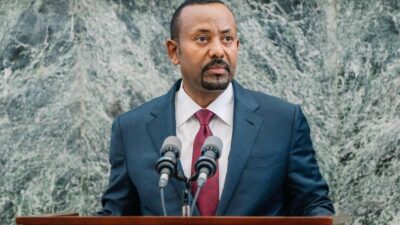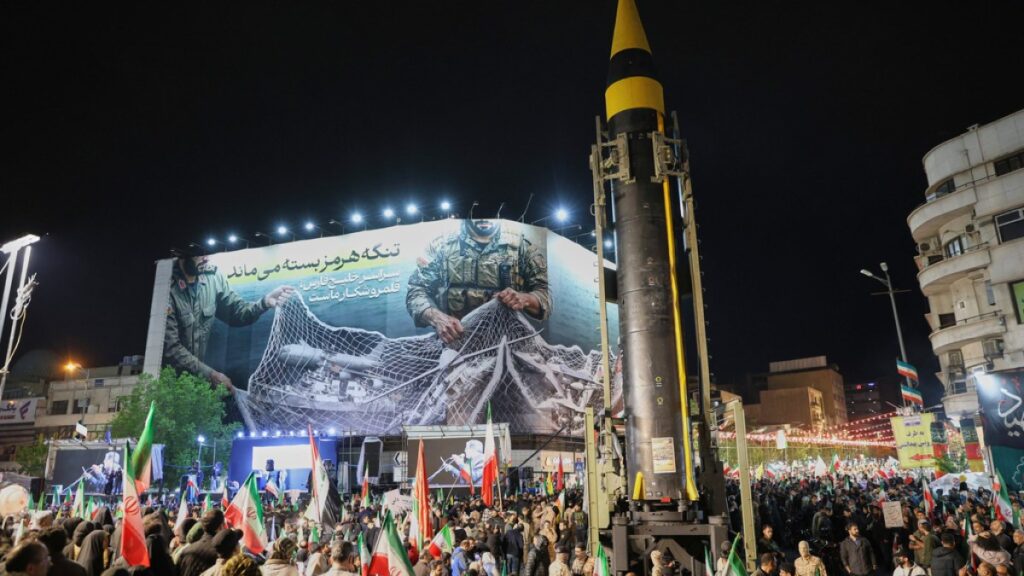
The diplomatic landscape in the Middle East remains tense as Iran points to the blockade implemented during the Trump administration as a primary cause of the current diplomatic stalemate. Iranian Parliament Speaker Mohammad Bagher Ghalibaf has publicly criticized the United States and Israel, asserting that their objectives will not be met through coercive tactics or intimidation.
Since the administration of former President Donald Trump enacted a stringent blockade against Iran, tensions have been escalating, complicating efforts to achieve peace and cooperation in the region. The blockade has significantly impacted Iran’s economy and diplomatic relations, leading to increased hostility and mistrust among involved parties.
Mohammad Bagher Ghalibaf emphasized that the US and Israel’s approach based on bullying and coercion is counterproductive and will fail to secure their strategic interests. He reiterated Iran’s commitment to maintaining a fragile truce amid ongoing geopolitical challenges, underscoring the country’s resilience and diplomatic resolve.
This fragile truce is critical to regional stability, and any breakdown could trigger renewed conflict or further destabilization. The international community continues to monitor developments closely, hoping for a renewed dialogue that could lead to a more sustainable and peaceful resolution.
Analysts suggest that the failure to engage constructively could hurt not only the directly involved nations but also broader regional and global security interests. With Iran firmly attributing the current impasse to the Trump-era blockade, the path forward requires renewed engagement, mutual understanding, and the dismantling of barriers that have long hindered diplomatic progress.
In conclusion, while the truce remains intact for now, the situation is precarious. The statements by Iranian leaders highlight the crucial need for diplomatic efforts to replace coercive measures and enable peaceful coexistence. The future of the Middle East may well depend on the ability of all parties to move beyond past grievances and seek common ground for lasting peace.