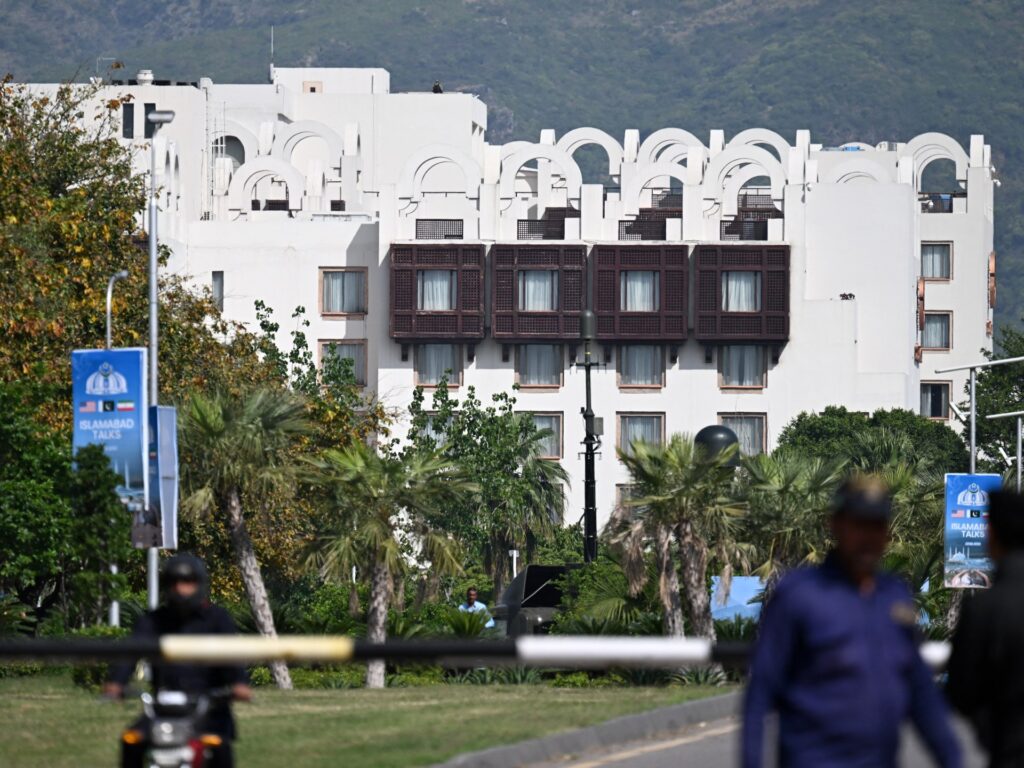
As the truce period approaches its end, Pakistan is intensifying its diplomatic efforts to bring Iran back to the negotiating table with the United States. This push comes amid growing concerns about the potential escalation of tensions in the region, which could have far-reaching consequences for global stability.
Pakistan, leveraging its strategic geographic and political position, has taken on the challenging role of mediator between the US and Iran. Officials in Islamabad are reportedly working behind the scenes to bridge the widening gaps between the two nations, which have seen strained relations over the past years due to longstanding geopolitical conflicts.
The urgency of these efforts is underscored by the approaching deadline of a truce agreement, which if expired without a renewal or new negotiations, risks sparking renewed conflicts or military actions. Analysts warn that failing to extend or replace the truce could destabilize the region further, possibly drawing in neighboring countries and impacting international energy markets.
However, the diplomatic landscape is becoming increasingly complex. A series of recent escalations by the United States has complicated Pakistan’s mediation efforts. These escalations include heightened sanctions, military posturing, and strong political rhetoric aimed at Iran, which have hardened Tehran’s stance and diminished its willingness to engage in talks.
Experts suggest that the US escalations may be intended to exert maximum pressure on Iran to concede on critical issues but risk undermining quieter diplomatic channels. The resultant atmosphere of mistrust and antagonism poses significant challenges for Pakistan and other mediators trying to revive dialogue.
Despite these obstacles, Pakistan remains committed to facilitating dialogue, promoting regional stability, and avoiding conflict. Pakistani diplomats emphasize the importance of continued communication and the potential benefits of a peaceful resolution, including economic cooperation and enhanced security.
International observers are closely monitoring the situation, recognizing Pakistan’s pivotal role in this high-stakes diplomacy. The coming days are crucial, with the global community hoping for a breakthrough that would extend the truce and possibly pave the way for comprehensive negotiations between the US and Iran.
As time runs out, the success of Pakistan’s diplomatic efforts could prove decisive in shaping the future peace and security landscape of a volatile region. With tensions running high, the world watches closely, hoping for a peaceful end to the current standoff and a new chapter of engagement between long-standing adversaries.