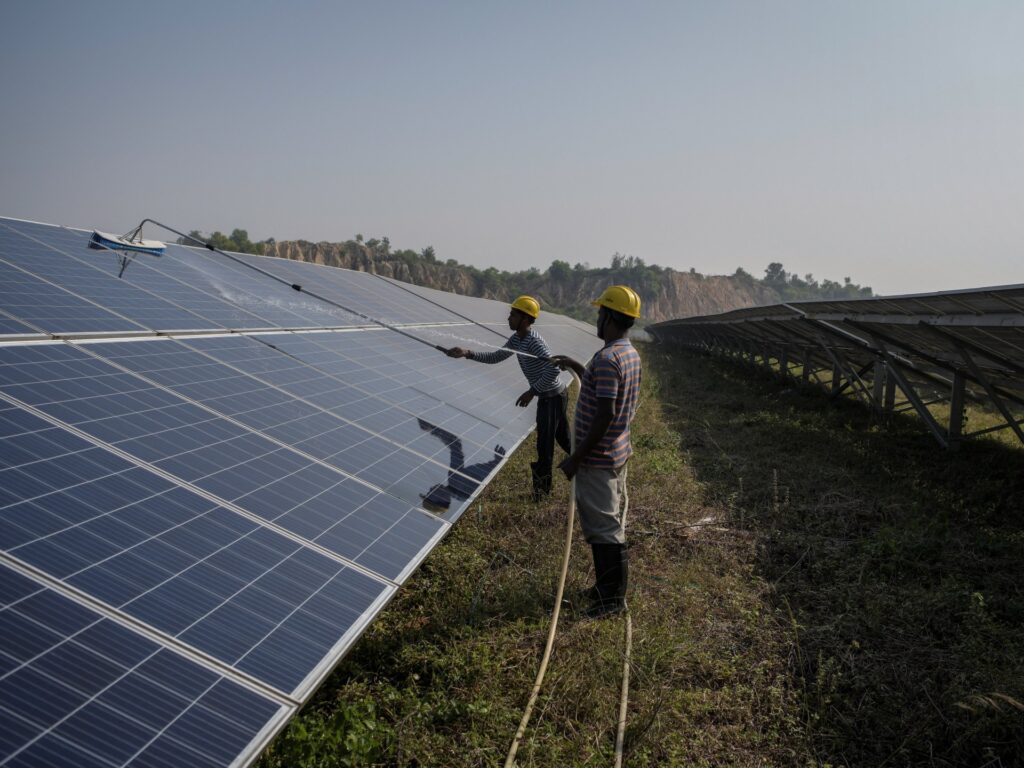
According to the latest report from Ember, a prominent energy think tank, 2025 marked a significant turning point in the global energy landscape. For the first time, new demand for electricity was fully met by clean energy sources, signaling the beginning of the end for coal and gas power generation. This milestone reflects the increasing shift toward renewable sources such as wind, solar, and hydroelectric power, which have become more economically viable and widely adopted worldwide.
The report highlights that while clean electricity has begun to dominate new energy demand, resulting in a reduction of fossil fuel dependence, the overall global warming trajectory remains a huge challenge. Despite the positive shift, the planet continues to experience rapid climate change, underscoring that clean power adoption, though essential, is only one part of a broader climate crisis response.
Ember’s analysis reveals that the decline of coal and gas power generation is accelerating. Coal demand peaked earlier than expected, and gas power is also facing consistent decreases as renewables ramp up. This trend confirms that energy systems are undergoing a transformation, driven by policy support, technological advancements, and increased public awareness of environmental issues.
Renewable energy’s rise to meet all new electricity demand indicates substantial investments in infrastructure and grid modernization. Battery storage, smart grids, and improved energy efficiency measures complement renewable generation, ensuring reliability and addressing intermittency concerns.
However, Ember cautions that the current pace of emissions reductions and clean energy integration must accelerate further to meet global climate targets. The continued warming trend indicates that existing measures are insufficient and that urgent, coordinated action from governments, industries, and consumers is critical.
This milestone achieved in 2025 should serve as a beacon and a call to action. It demonstrates the feasibility and benefits of clean energy while emphasizing the need for sustained commitment and innovation. The global community must now build on this progress to dramatically cut greenhouse gas emissions and limit global warming to sustainable levels.
In summary, Ember’s report offers both an encouraging signpost and a stark reminder: clean electricity meeting all new demand is an unparalleled achievement, yet the challenge of climate change remains daunting. The transition away from coal and gas power provides hope but also urgency to continue accelerating the energy transition worldwide.