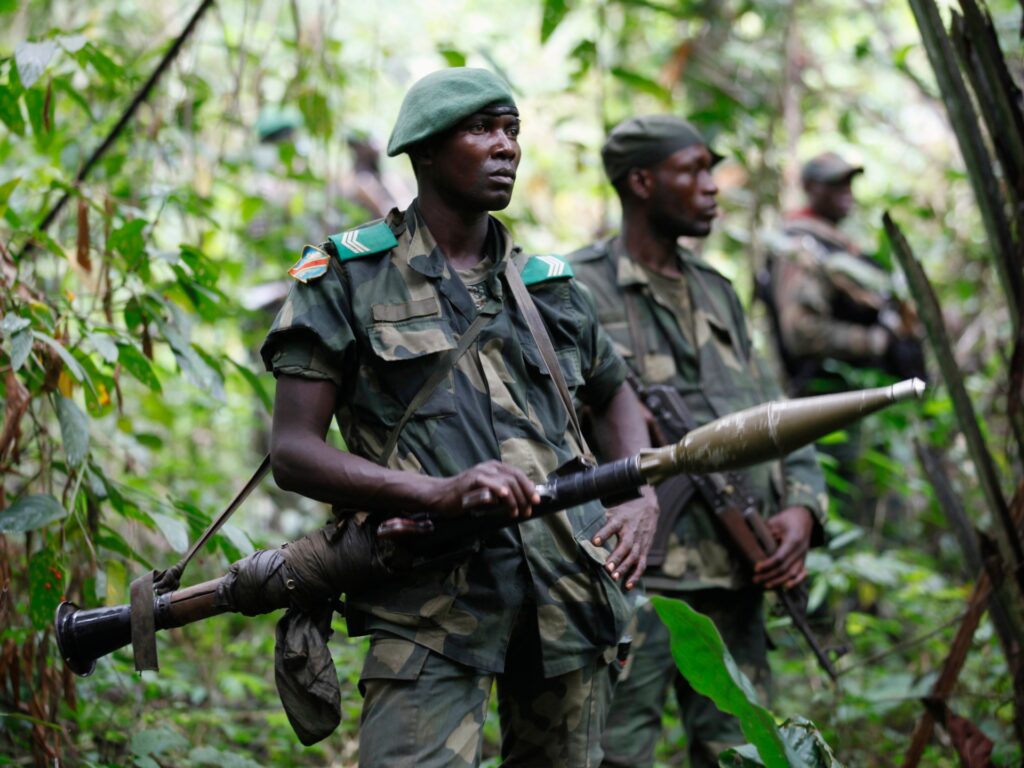
In a significant military operation, Ugandan and Congolese forces have successfully rescued 200 civilians who were held captive by the Allied Democratic Forces (ADF), a militant group with ties to the Islamic State of Iraq and the Levant (ISIL). The ADF has long been a destabilizing presence in the region, known for brutal attacks against local populations and security forces.
The joint operation marked a major push in the ongoing efforts by regional governments to counter insurgency and restore peace. The civilians rescued included men, women, and children who had been subjected to harsh conditions during their captivity.
Military officials from both Uganda and the Democratic Republic of Congo expressed commitment to continuing their coordinated attacks against ADF strongholds. This latest success not only disrupted the ADF’s operations but also sent a strong message about the determination of regional forces to combat terrorism and violence.
The rescue operation involved complex planning and intelligence sharing between the two countries’ military agencies. It was carried out swiftly and decisively to minimize risks to the hostages and troops involved. On the ground, soldiers faced difficult terrain and well-armed militants but managed to overcome these challenges.
Humanitarian organizations have welcomed the rescue, highlighting the importance of support systems to help the freed captives reintegrate into their communities. Many of the rescued civilians will require medical treatment and psychological counseling due to the trauma experienced during captivity.
The ADF, initially an anti-government rebel group, has increasingly aligned itself with ISIL, exacerbating security challenges in the region. It operates mainly in eastern Congo and has been responsible for numerous attacks, including massacres, kidnappings, and bombings.
The success of this operation underscores the effectiveness of cross-border cooperation and intelligence sharing in combating insurgency threats. Ugandan and Congolese forces remain vigilant about further threats posed by the ADF and other extremist groups.
Both governments have pledged to continue strengthening their military partnership and enhancing community resilience programs to address the root causes of militancy. The operation has also drawn international attention and calls for increased support to the affected regions.
This joint rescue reflects a hopeful turn in regional security dynamics as longstanding insurgent groups face increasing pressure from unified governmental efforts. The safety and recovery of the rescued civilians remain a top priority for authorities, with ongoing support initiatives underway.
With continued vigilance, cooperation, and support, there is hope that similar operations will lead to further ruptures in militant networks, contributing to long-term peace and stability in the Great Lakes region of Africa.