In recent statements, former US President Donald Trump has asserted that Israel did not influence his decision to consider a war with Iran. Trump’s remarks come at a time when military action against Iran remains a contentious issue, with public support waning amidst a global energy crisis.
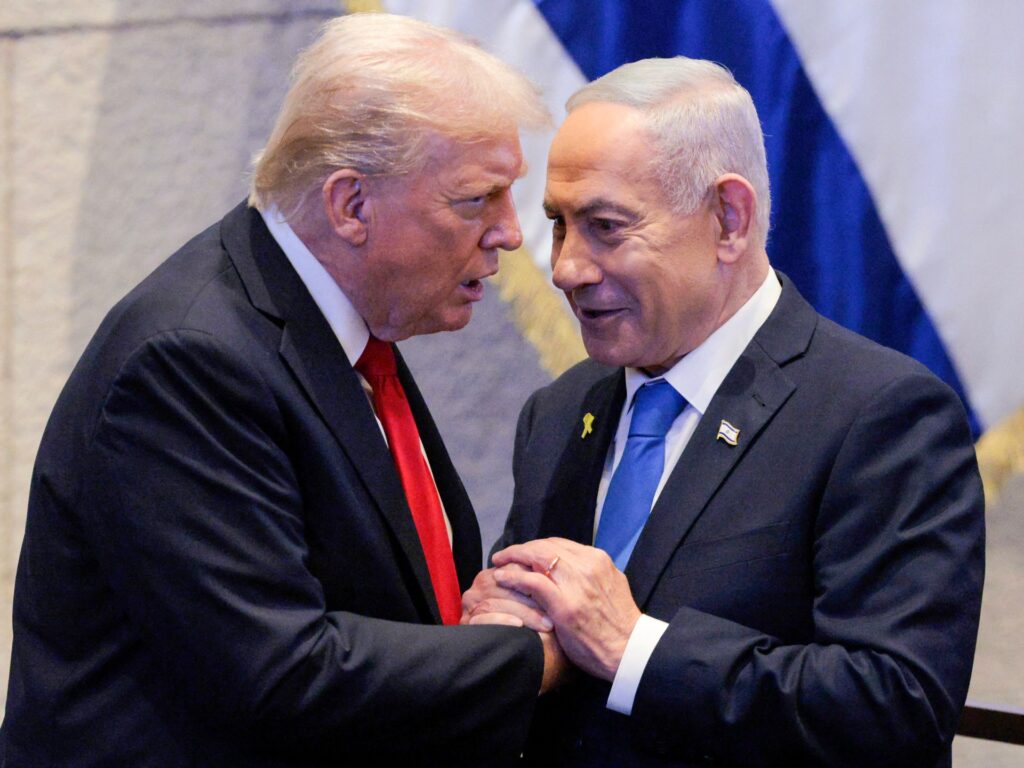
Trump emphasized that the idea of engaging in conflict with Iran was entirely his own, dismissing suggestions that Israel pressured or convinced him. This assertion sheds light on the complex dynamics within US foreign policy decision-making, particularly regarding Iran, a focal point of geopolitical tension.
The backdrop of Trump’s claim involves ongoing debates in the US about the potential consequences of a war with Iran. As energy markets face volatility, public opinion has become less favorable toward military engagement, reflecting concerns about economic stability and further destabilization in the Middle East.
Historically, Israel and the United States have maintained a close alliance, especially concerning shared security interests in the Middle East. However, Trump’s statement challenges narratives that depict Israel as a driving force behind US military strategy against Iran.
The energy crisis, partly fueled by geopolitical conflicts and fluctuating oil supply, adds a critical layer of complexity to discussions about war. Many Americans worry about the potential impact on fuel prices and the broader economy if hostilities escalate.
Analysts note that while Israel has indeed expressed concerns about Iran’s nuclear program and regional activities, decisions to engage militarily lie within the purview of US leadership. Trump’s comment reaffirms his role as the principal decision-maker in this context.
The controversy over a possible war with Iran surfaces amid broader discussions about US foreign policy priorities and the ramifications of military conflicts. With public support strained by economic pressures, the administration faces challenges in rallying consensus for any aggressive actions.
Moreover, Trump’s remarks reflect attempts to clarify his position and mitigate criticism regarding the influence of foreign actors on US decisions. By asserting independent decision-making, he aims to address skepticism about the motivations behind his foreign policy choices.
As the situation about Iran continues to evolve, the interplay between diplomatic efforts, military readiness, and public opinion remains pivotal. This statement by Trump adds another dimension to understanding the complexities of US-Iran relations and the role of allies.
In summary, Trump’s claim that Israel never talked him into war with Iran highlights the multifaceted nature of international decision-making where alliances, national interests, and public sentiment intersect. It underscores the importance of transparent leadership in navigating contentious foreign policy challenges against the backdrop of a global energy crisis and regional instability.