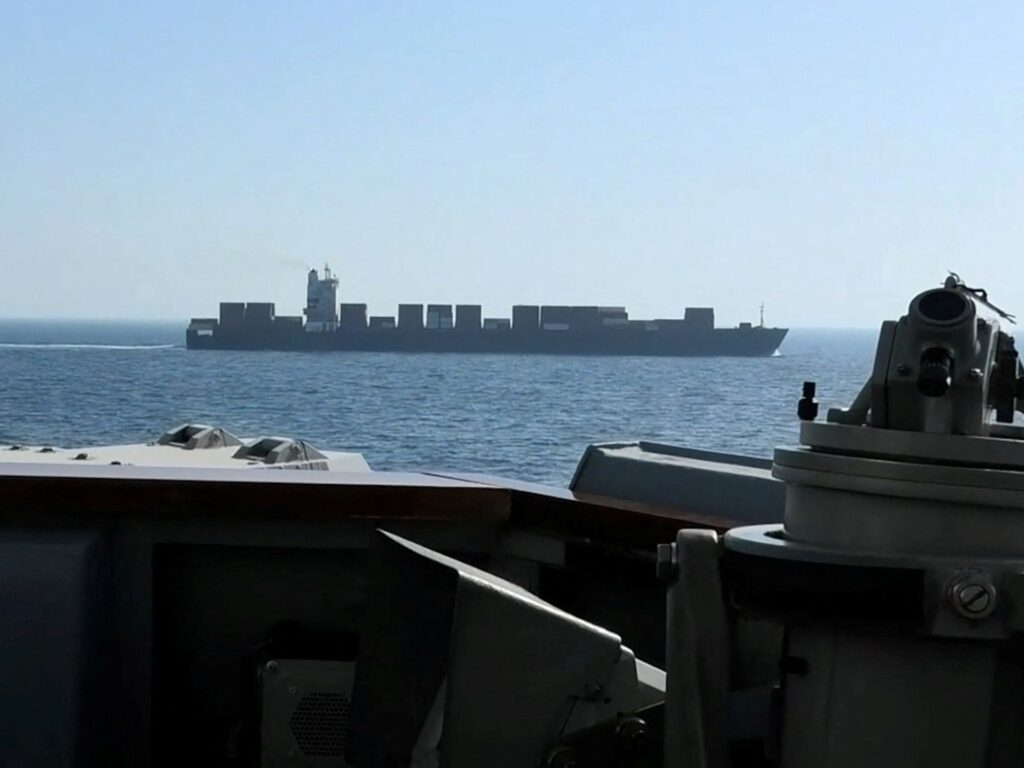
Tensions between Iran and the United States have escalated sharply following the seizure of a US ship, with Tehran announcing it will skip scheduled talks amid the ongoing conflict. The attack and rising hostilities come just hours after US President Donald Trump declared he was dispatching a delegation to Islamabad for potential negotiations.
The seizure of the US vessel by Iranian forces marks a significant escalation in the strained relationship between the two countries, highlighting the volatility of the situation in the Middle East. Tehran’s decision to forgo talks indicates a hardening stance, suggesting that diplomatic resolutions may face significant obstacles.
President Trump’s move to send a delegation to Islamabad reflects an attempt to deescalate tensions through diplomatic channels, possibly seeking to engage regional players in facilitating dialogue. However, Tehran’s rejection of direct talks at this juncture complicates these efforts and raises concerns about the potential for further conflict.
Observers note that the timing of the ship seizure and the announcement of diplomatic outreach may be connected, with Iran possibly using the act as leverage to strengthen its position in any future negotiations.
The US administration has condemned the seizure as a provocative act that undermines international maritime law and threatens stability in the region. Military officials have increased readiness levels in response to the incident, signaling preparedness for any escalation.
International reactions have varied, with several countries calling for calm and restraint while urging both parties to return to the negotiating table. The United Nations has expressed concern over the incident and emphasized the importance of diplomacy to prevent further deterioration.
Experts warn that continued hostilities could destabilize global energy markets, given the strategic importance of the waters where the seizure occurred. The Strait of Hormuz, a critical chokepoint for oil shipments, remains a focal point of tension.
Iran’s decision to skip talks also reflects internal political dynamics, where hardliners oppose engagement with the US and view strong resistance as a means of asserting national sovereignty.
As the situation develops, the international community watches closely, hoping for restraint and a peaceful resolution. The coming days are crucial, as actions by both Tehran and Washington will determine whether the crisis escalates or recedes.
In summary, with Tehran refusing to participate in talks following the US ship seizure and President Trump’s diplomatic outreach underway, the risk of conflict remains high. The incident underscores the fragile state of US-Iran relations and the challenges facing diplomatic efforts to resolve them peacefully.