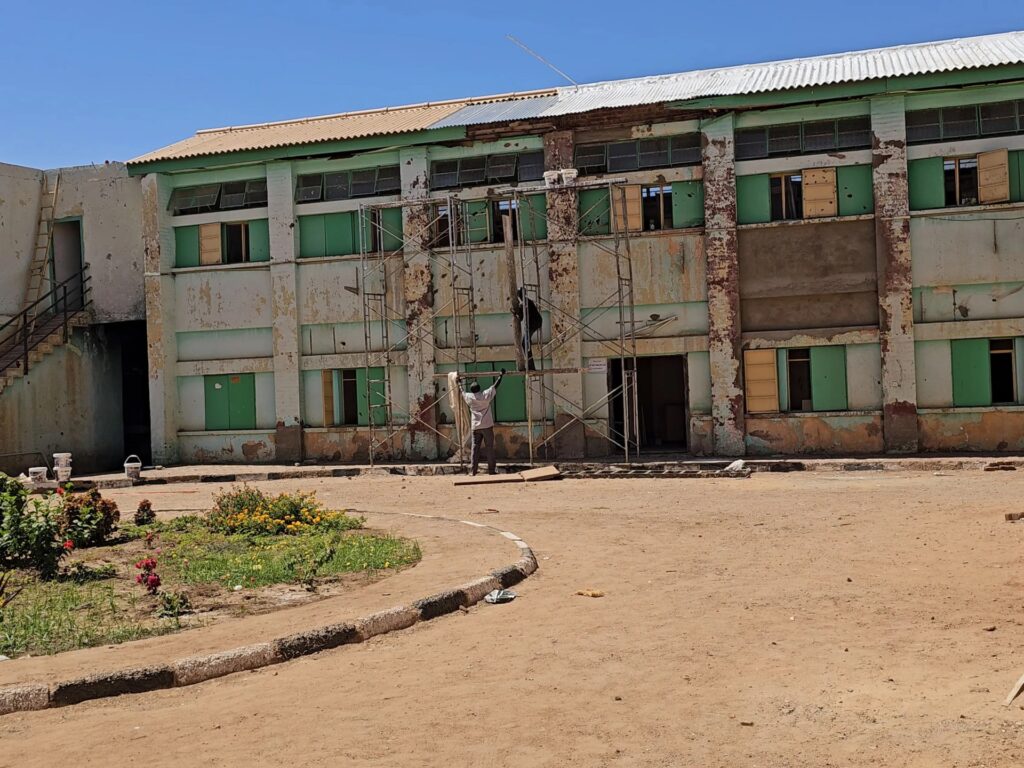
As the ongoing war in Sudan enters its fourth year, the country’s healthcare system is facing devastating challenges. According to Sudan’s health ministry, approximately 37 percent of the nation’s health facilities are currently out of service due to damage, insecurity, and resource shortages. This alarming statistic highlights the severe strain placed on medical infrastructure amidst the conflict.
Amidst this turmoil, one hospital remains operational and is playing a critical role in treating tropical diseases, which are prevalent in the region. This lone functioning hospital is a vital lifeline for many vulnerable populations who depend on its services for survival.
The hospital specializes in curing tropical diseases such as malaria, dengue fever, leishmaniasis, and schistosomiasis—illnesses that thrive in Sudan’s climate and worsen due to displacement and poor sanitation caused by the war. Medical staff here work tirelessly despite limited supplies, constant power outages, and security concerns.
Healthcare workers recount the challenges they face daily, including treating patients with scarce medication and improvised equipment. They also balance the risk of attacks on medical convoys and facilities, which have become common in war zones.
The facility relies heavily on international aid and humanitarian organizations to provide essential medicines and support. However, access to these resources is increasingly restricted by ongoing conflict and logistical hurdles.
Patients coming to the hospital often endure long journeys from rural and conflict-affected areas, hoping to receive treatment that could be their only chance at recovery. The hospital’s success in managing tropical diseases amid such adversity is a testament to the resilience of its staff and the critical need for sustained humanitarian assistance.
Experts warn that if conflict persists and more health centers cease operations, Sudan could face a catastrophic public health crisis with outbreaks of previously controlled tropical diseases becoming widespread.
This situation underscores the urgent need for peace and increased international support to rebuild Sudan’s healthcare infrastructure and ensure access to vital medical services for all its citizens in these dire times.