As the conflict between Iran and the US-Israeli coalition enters its 52nd day, the situation remains volatile with significant military and diplomatic developments shaping the regional landscape. The protracted series of strikes spearheaded by the United States and Israel continue to target strategic locations within Iran, heightening the risk of broader escalation.
One of the pivotal events marking this phase of the conflict is the capture of an Iranian vessel near the critical Strait of Hormuz by US Marines. This action has intensified already fraught tensions, as the Strait serves as a crucial maritime chokepoint for global oil shipments. Iran has openly declared that this seizure will not go unanswered, signaling a commitment to retaliatory measures that could further destabilize the region.
Diplomatic efforts to de-escalate hostilities appear to be stalling, exemplified by the stalled Islamabad talks that were intended to facilitate dialogue and possibly establish a pathway towards peace. The talks have reached an impasse, with Iran’s growing defiance and the US-Israeli bloc’s persistent military pressure complicating any constructive negotiations.
The consequences of this ongoing conflict extend beyond immediate military actions. The international community expresses concerns over energy security given the strategic importance of the Strait of Hormuz. Disruptions in this corridor could lead to significant economic repercussions worldwide. Moreover, the risk of these hostilities triggering wider regional conflicts involving allied nations is increasingly palpable.
Iran’s declaration of retaliation underscores its strategy of deterrence and signaling strength. Iran’s leadership appears poised to utilize both conventional military responses and asymmetrical tactics, which could include attacks on shipping, military assets, or allied targets in the region.
The US and Israel maintain that their campaign aims to curtail Iran’s nuclear ambitions and curb its destabilizing activities across the Middle East. However, critics argue that the military offensive risks entrenching hostilities without offering a viable political solution.
Analysts note that the stalemate around the Islamabad talks highlights a broader diplomatic deadlock. Without renewed dialogue and concessions from all parties, the likelihood of a peaceful resolution remains slim. Observers continue to monitor adjacent international efforts that might influence Iran’s calculus or provide mediatory channels.
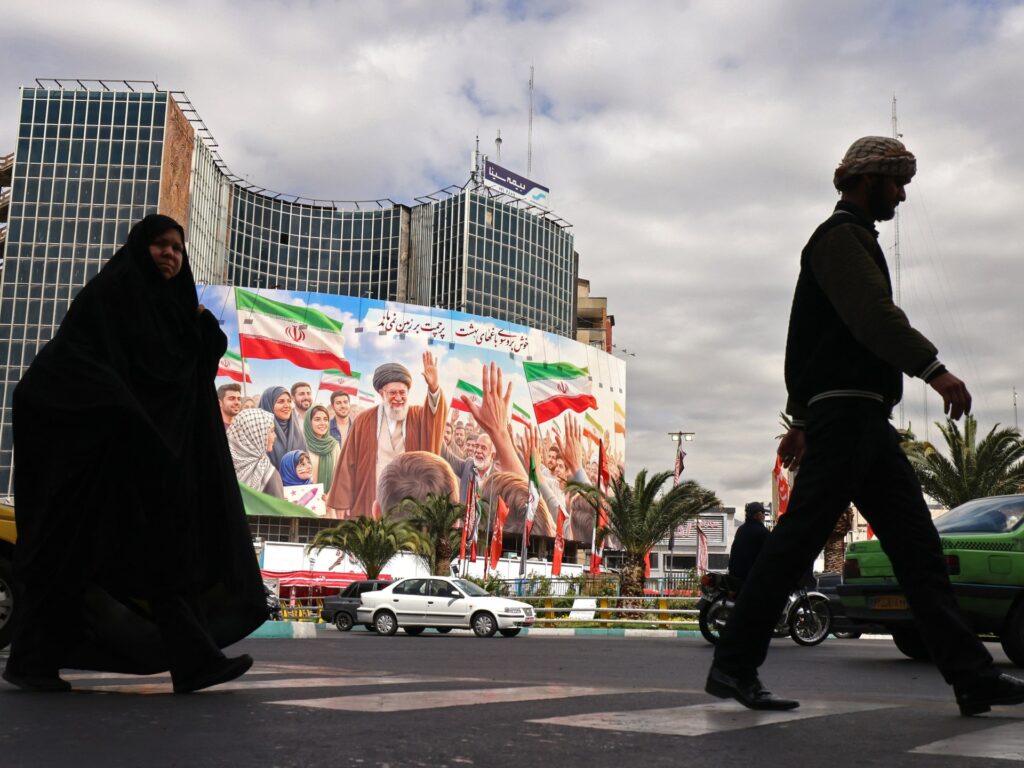
As the conflict persists, the people in the region bear the brunt of the violence and uncertainty. Humanitarian concerns intensify with ongoing military engagement, disruptions to daily life, and the looming threat of expanded conflict zones.
In the coming days, the international community will be closely watching Iran’s response to the ship’s capture and the US-Israeli strikes. The dynamics of retaliation, countermeasures, and any potential diplomatic breakthroughs will be critical in shaping the trajectory of this conflict.
The complex interplay between military action and diplomacy stresses the urgency for renewed negotiations to prevent further escalation. The fragile balance maintained thus far risks collapsing into wider chaos if immediate measures towards dialogue and de-escalation are not prioritized.
On day 52, the region stands at a precarious crossroads, facing the challenges of a conflict that has already lasted weeks with no clear resolution in sight.