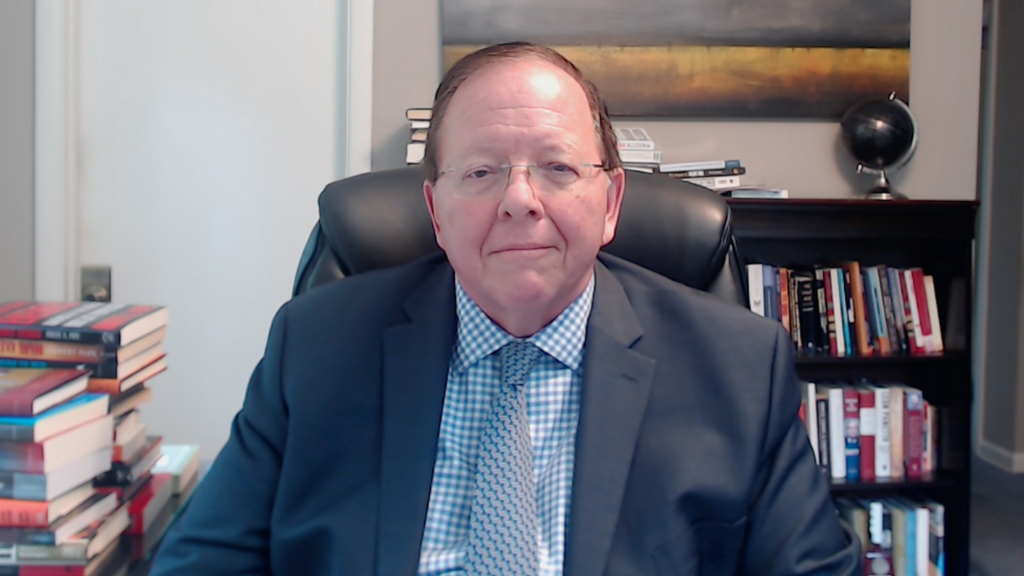
The ongoing tensions between the United States, led by President Donald Trump, and Iran have raised concerns about an increasingly precarious situation in the Middle East. According to University of Chicago Professor Robert Pape, a renowned expert on conflict and coercion, Trump is caught in what is termed an ‘escalation trap’ with Iran. This analysis sheds valuable light on the complexities and risks underlying the recent confrontations.
An ‘escalation trap’ occurs when rival parties engage in actions and counteractions that incrementally increase the conflict, often beyond the original intent or control of either side. Professor Pape explains that this dynamic stems from the psychological pressures and strategic incentives faced by political leaders, who may believe they must respond forcefully to perceived provocations to maintain credibility and domestic support.
In the case of Trump and Iran, the escalation trap manifests because both sides perceive aggressive actions by the other as direct threats to their security and political survival. For Trump, taking a hardline stance, including imposing tough sanctions and military responses following attacks attributed to Iranian proxies, aims to deter further aggression and convey strength.
However, this approach inadvertently fuels further hostilities. Iran, interpreting U.S. moves as existential threats, escalates its responses incrementally through proxy attacks, missile strikes, and strategic posturing. Each side’s commitment to escalation limits options for de-escalation, creating a cycle that is difficult to break.
Professor Pape highlights the importance of recognizing the psychological and strategic traps that escalate conflicts. U.S. leaders, including Trump, face domestic political pressures that incentivize strong responses to avoid appearing weak. Simultaneously, Iranian leaders must respond to hardline factions and maintain national pride, further reducing the willingness to compromise.
The consequences of this trap are serious. Escalation risks spiraling into open conflict, threatening regional stability and global security. The Trump administration’s policies, rather than de-escalating, have entrenched both sides in a tension-filled standoff.
Experts argue that breaking free from this escalation trap requires innovative diplomacy that addresses the core security concerns of both the U.S. and Iran. Confidence-building measures, direct communication channels, and multilateral engagement are suggested pathways to reduce the risk of unintended conflict.
Professor Pape’s insights underscore the need for a nuanced approach that avoids the pitfalls of psychological traps influencing policy decisions. Understanding the escalation trap dynamic enriches debates on U.S.-Iran relations and highlights the urgency of cautious, strategic diplomacy to avert further deterioration.
The current impasse illustrates a broader challenge faced by global leaders: balancing domestic political pressures with the imperative of international peace and stability. The lessons from Trump’s engagement with Iran serve as a critical case study in managing escalation risks and the importance of foresight in conflict resolution efforts.
In summary, Professor Robert Pape’s analysis offers a compelling explanation for why President Trump finds himself entangled in an escalation trap with Iran. Addressing the root causes of this trap and implementing strategies to disengage from the cycle of retaliation is essential for reducing the risk of a dangerous conflict in the Middle East.