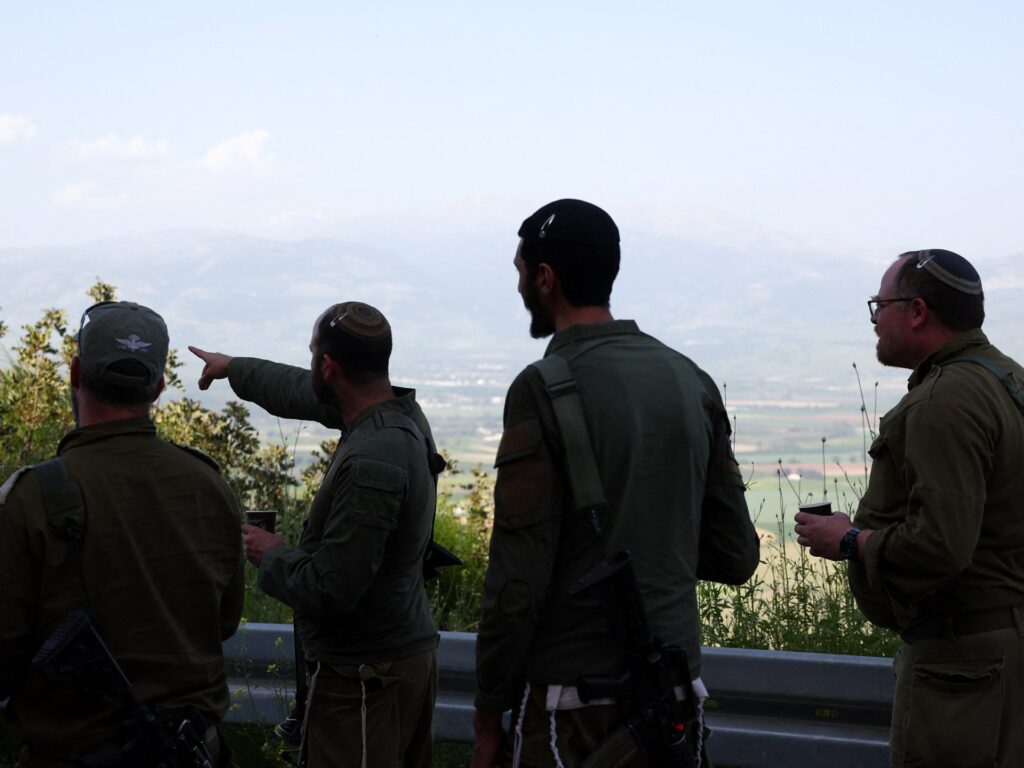
A video that surfaced recently showing an Israeli soldier smashing a statue of Jesus in Lebanon has sparked widespread outrage across social media platforms. The footage, which has been widely circulated, depicts the soldier violently destroying the religious symbol, angering many observers who view the act as a blatant disrespect to religious sentiments and cultural heritage.
The incident has reignited debates about the ongoing conflict in the region and the treatment of religious sites during military operations. Social media users from around the world have voiced their condemnation not only of the act itself but also of what they describe as Western countries’ silence and lack of response to attacks on religious symbols and sacred sites perpetrated by Israeli soldiers and settlers.
The uproar highlights a broader concern among commentators and international communities about the protection of religious sites in conflict zones. These incidents often exacerbate tensions between communities and contribute to a cycle of violence and retaliation.
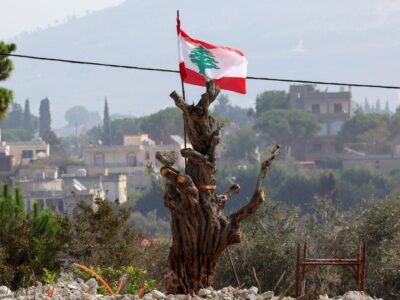
Lebanon, a country with a diverse religious composition, has seen multiple clashes affecting various religious communities and their places of worship. The destruction of the Jesus statue is seen as particularly provocative given Christianity’s historical and cultural significance in the region.
Religious leaders and human rights organizations have called for a thorough investigation and accountability to prevent further desecration of religious monuments. Many are urging international bodies to step in and ensure that such cultural heritage sites are preserved and respected regardless of ongoing conflicts.
The silence from major Western powers on this and similar incidents has drawn heavy criticism. Activists argue that the lack of condemnation or intervention undermines the protection of religious freedoms and human rights globally.
As debates continue, this incident serves as a stark reminder of the complexities involved in conflicts where identity, religion, and politics intersect. The hope expressed by many is for increased awareness and proactive measures to safeguard religious symbols that hold deep significance to communities worldwide.