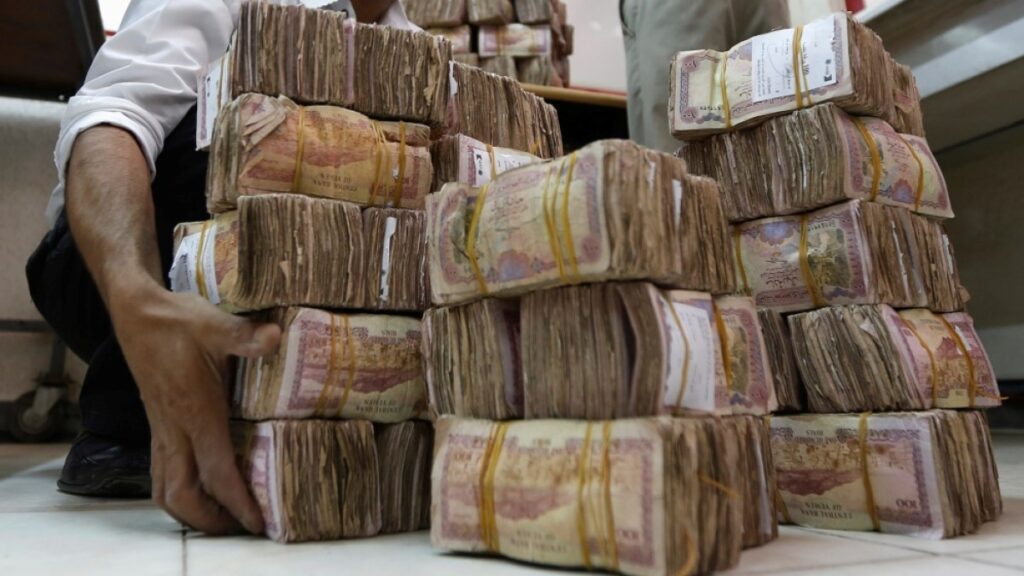
Yemen continues to grapple with severe cash shortages despite some recent signs of currency stabilisation. The ongoing liquidity crisis has left cash-strapped Yemenis increasingly frustrated as access to physical currency remains limited. Many exchange firms have restricted their currency conversion services, making it difficult for ordinary citizens to obtain cash needed for daily transactions.
The Yemeni riyal, which had seen extreme depreciation during the conflict and economic turmoil, has recently shown some signs of stabilizing against major currencies. However, this has not translated into improved cash availability on the ground. The liquidity crunch is exacerbated by the fragile banking system, limited foreign reserves, and disruptions in the flow of money within the country.
Residents report long lines and inadequate cash supplies at exchange bureaus, forcing many to rely on informal and often risky methods to access cash. This shortage affects not only consumers but also businesses and public services, which depend heavily on cash transactions.
Experts attribute the liquidity shortage to multiple factors, including ongoing conflict, reduced economic activity, and persistent challenges in the banking and financial sectors due to the political divide. While the currency’s relative stabilization could bring hope for economic improvement, the immediate cash crisis underscores the depth of Yemen’s financial instability.
International organizations continue to stress the importance of stabilizing Yemen’s economy and enhancing financial infrastructure to alleviate the cash scarcity. Without significant intervention, the shortage could further hamper humanitarian efforts and economic recovery in the country.
For now, Yemenis remain caught in the grip of a liquidity crisis that restricts everyday commerce and amplifies the hardships caused by years of conflict and instability.