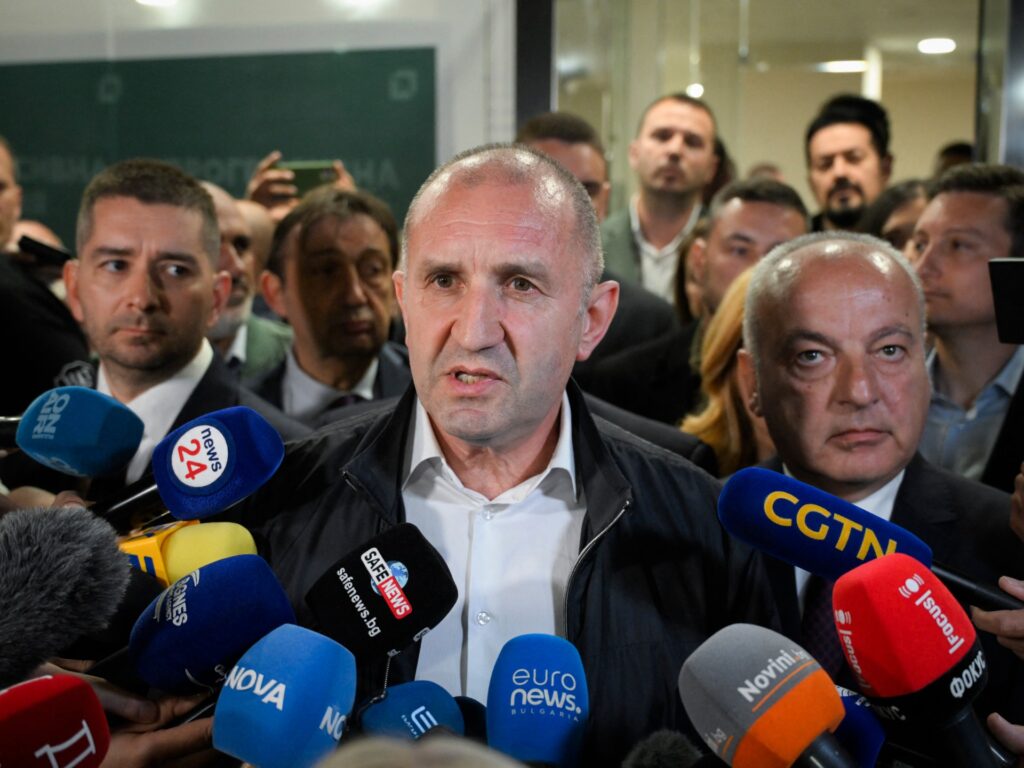
Bulgaria witnessed a significant political development as early results from the parliamentary elections indicate a strong lead for the Progressive Bulgaria party, led by former President Rumen Radev. The initial vote counts show that Radev’s party is gaining considerable support across the country, positioning itself as a major force in Bulgaria’s political landscape.
The parliamentary elections are crucial for shaping the future government and policies of Bulgaria. Radev, a prominent political figure known for his presidency from 2017 to 2022, has continued to wield influence through his newly formed Progressive Bulgaria party. Early results suggest that his party may be able to secure a substantial number of seats, giving them a powerful voice in the legislative assembly.
Analysts note that the Progressive Bulgaria party’s rise reflects voter sentiment favoring reform-oriented policies and a shift away from traditional political groups. The party’s message resonated with many citizens seeking change, particularly in areas related to economic development, transparency, and anti-corruption measures.
Opposition parties and established political forces are now assessing the implications of these early results. The election outcome could lead to new coalitions or shifts in power dynamics, with Radev’s party potentially playing a central role.
Rumen Radev’s tenure as president was marked by his emphasis on European integration, modernization, and upholding democratic values. His transition into leading a parliamentary party underscores his ongoing commitment to influencing Bulgaria’s political trajectory.
Voter turnout appears robust, indicating a high level of public engagement in the democratic process. Citizens across Bulgaria have shown enthusiasm for participating in an election that might redefine the nation’s future.
As the counting of votes continues, all eyes remain on Bulgaria’s electoral commission to finalize the results. The political community and international observers are closely monitoring the developments to understand the full impact of the election.
The early lead of Progressive Bulgaria signals potential changes ahead, with expectations of policy reforms and new initiatives addressing Bulgaria’s challenges. The party’s platform includes advancing economic reforms, strengthening the rule of law, and enhancing Bulgaria’s role within the European Union.
In conclusion, the parliamentary elections in Bulgaria have set the stage for a transformative political period, with ex-President Rumen Radev’s Progressive Bulgaria party leading in the early vote counts. The coming weeks will reveal how this strong start will translate into governance and legislative power in Bulgaria’s political system.