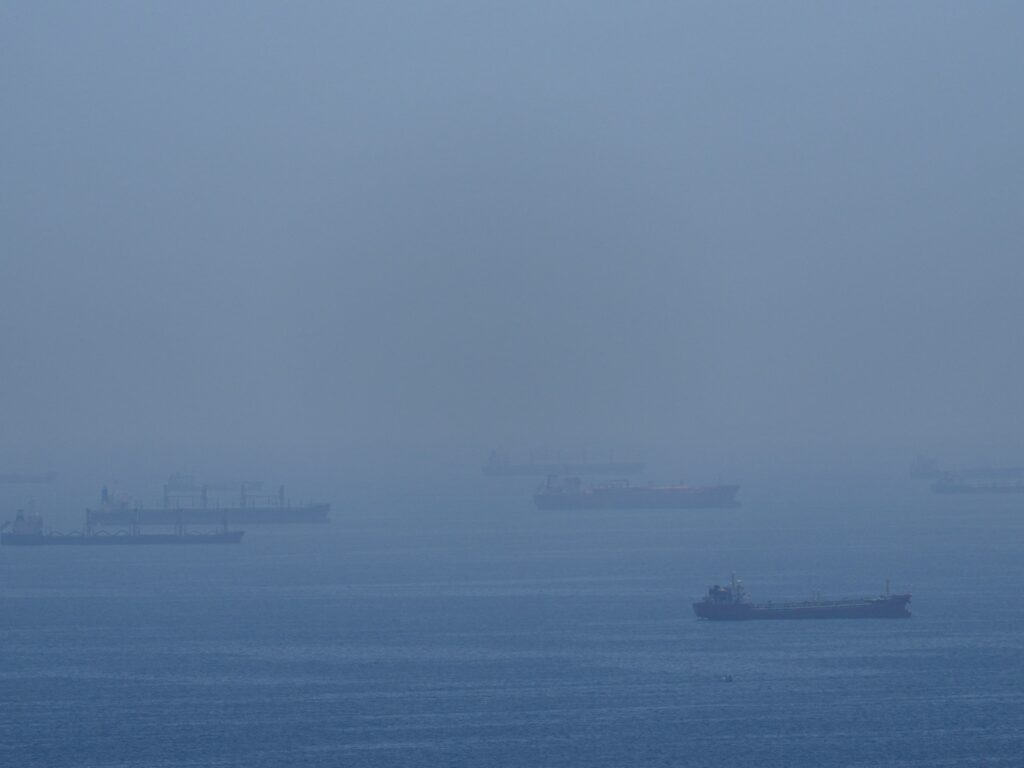
In the escalating tensions between Iran and the United States, Tehran has announced that no date has been set for negotiations or talks with the US. This declaration underscores the deepening divide and ongoing hostilities between the two nations. A significant development in this complex geopolitical scenario is the closure of the Strait of Hormuz by the Islamic Revolutionary Guard Corps (IRGC). The IRGC has stated unequivocally that the Strait will remain closed until the US ceases its blockade of Iranian ports. The Strait of Hormuz, a strategic chokepoint through which a substantial portion of the world’s oil supply passes, plays a critical role in global energy security. Its closure signals a sharp escalation in the conflict, potentially impacting international oil markets and maritime navigation. Tehran’s firm stance and the IRGC’s aggressive posture illustrate the heightened state of alert and confrontation in the region. The blockade of Iranian ports by the US has been a point of contention, with Iran viewing it as an act of economic warfare and infringement on its sovereignty. The ongoing situation remains volatile, with the potential for further developments that could influence regional stability and international relations. Observers and stakeholders around the world are closely monitoring the situation, aware of the significant implications the conflict holds for global peace and security.