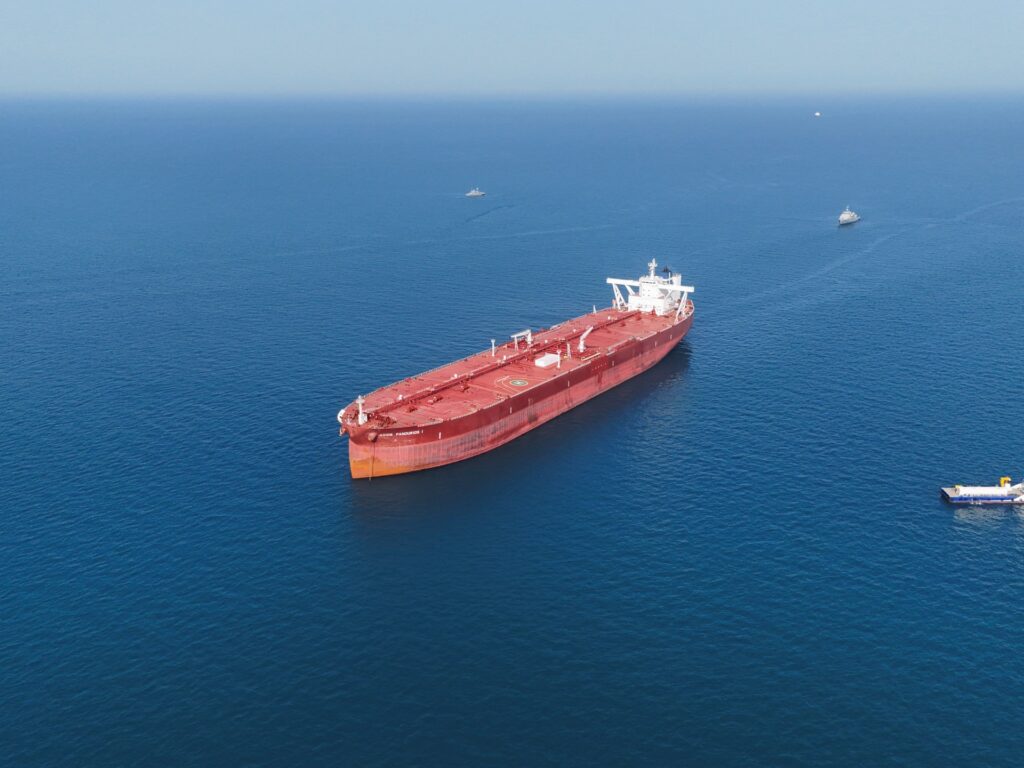
In a dramatic escalation of regional tensions, Iran has announced the closure of the strategic Strait of Hormuz, citing the ongoing US blockade of its ports as the catalyst. This move comes after reports emerged of Iranian gunboats opening fire on a tanker navigating the crucial waterway. Tehran has declared that the Strait will remain closed until the United States lifts its blockade, heightening fears of disruption to global oil supplies.
The Strait of Hormuz, a narrow but vital passage connecting the Persian Gulf to the Arabian Sea, is a critical chokepoint through which a significant percentage of the world’s oil passes. The closure of this waterway poses immediate threats to international energy markets, causing shocks in oil prices and global supply chains.
Iran’s decision to enforce the closure follows mounting pressures and sanctions imposed by the US, culminating in a blockade that Tehran argues is unjust and harmful to the region’s economic stability. The Israeli blockade restricts the movement of goods and naval vessels, a move Iran perceives as a direct assault on its sovereignty and economic interests.
The recent incident involving Iranian gunboats firing on a tanker has further intensified the situation. While the tanker’s national origin remains undisclosed, the act has sparked alarms internationally about the potential for a wider conflict in the already volatile region.
Experts warn that the blockade and Iran’s response could destabilize a key artery for global commerce. Countries reliant on Middle Eastern oil have expressed concern, urging diplomatic efforts to resolve the standoff.
The US administration has yet to respond formally to Iran’s declaration and the reported firing incident, though officials suggest readiness to defend their interests and allies in the region. Meanwhile, alliances in the Gulf Cooperation Council have been mobilizing, monitoring the situation with apprehension and preparing contingency plans.
Historically, the Strait of Hormuz has been a flashpoint for military confrontations and geopolitical brinkmanship due to its critical importance to global energy transit. The international community is watching closely, fearing a prolonged closure could lead to significant economic and political fallout worldwide.
Trade analysts predict that sustained disruption could lead to soaring energy costs, inflation spikes, and volatility in stock markets globally. Energy importers are considering alternative supply routes and sources to mitigate risks posed by the closure.
In response to the closure, global diplomatic channels are being activated, with calls for dialogue and negotiations to prevent a further escalation. International bodies, including the United Nations, have urged restraint and the reopening of the Strait to ensure free navigation as per international maritime law.
Iran maintains that their actions are defensive and a direct consequence of US policies aimed at exerting maximum pressure. The continuation of the blockade and closure compound the crisis, signifying a deepening divide and raising urgent questions about the future of peace and stability in the Persian Gulf region.
As the situation develops, stakeholders worldwide remain vigilant, recognizing that the Strait of Hormuz’s status is pivotal to global economic health and geopolitical equilibrium. The coming days will be critical in determining whether diplomatic solutions can avert further conflict or if the world faces extended uncertainty in this vital region.