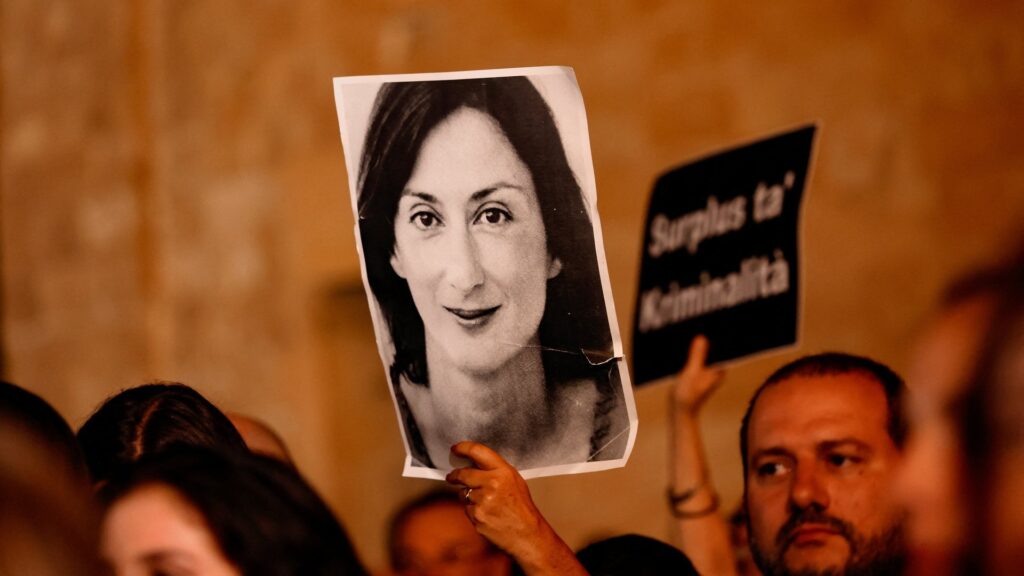
In a significant legal development, the last individual prosecuted in connection with the 2017 murder of Maltese journalist Daphne Caruana Galizia has been acquitted. This verdict closes a key chapter in one of Malta’s most high-profile criminal cases, which has drawn international attention due to its implications for press freedom and rule of law in the country.
Daphne Caruana Galizia was a prominent investigative journalist known for her fearless reporting on corruption, money laundering, and organized crime within Malta. Her assassination, which took place in 2017 when a car bomb was detonated near her home, shocked the nation and the global journalistic community.
The man acquitted is a notable Maltese tycoon who had been accused of involvement in this heinous crime. His prosecution was a pivotal part of the government’s efforts to bring justice for Caruana Galizia’s murder and to demonstrate Malta’s commitment to fighting corruption and protecting journalists.
The acquittal means that the court found insufficient evidence to prove beyond a reasonable doubt that the accused had any role in orchestrating the murder. This outcome has sparked varied reactions across Malta and internationally.
Supporters of the tycoon express relief and believe the verdict underscores the importance of fair trials and the presumption of innocence until proven guilty. Conversely, advocates for justice and press freedom have expressed disappointment, fearing that this ruling may hinder the full uncovering of the truth behind Caruana Galizia’s assassination.
Throughout the investigation and subsequent trials, various other suspects and intermediaries have been prosecuted and convicted in connection to the murder, including hitmen and intermediaries. The case has been marked by complex legal proceedings and intense scrutiny due to the involvement of high-profile figures and allegations of systemic corruption.
The murder of Daphne Caruana Galizia was widely seen as an attack not only on an individual journalist but on democratic values and freedom of expression. Her death highlighted the dangers faced by journalists worldwide when reporting on corruption and abuse of power.
International bodies, including press freedom organizations and the European Union, have closely monitored the proceedings, urging transparency and accountability throughout the judicial process.
The acquittal raises crucial questions about the challenges faced by the Maltese justice system in addressing crimes linked to powerful individuals and protecting those who seek to expose wrongdoing.
As this chapter closes with the last man prosecuted being acquitted, the broader quest for justice for Daphne Caruana Galizia and efforts to safeguard journalistic freedom continue. The case remains a potent reminder of the ongoing struggles faced by investigative journalists globally and the critical need for robust legal protections.
Malta’s government has reiterated its commitment to uphold justice and ensure safety for reporters, promising to continue investigations to bring all responsible parties to account.
Daphne Caruana Galizia’s legacy endures as her work inspired calls for greater transparency, accountability, and reform within Malta and beyond. Her dedication to unveiling corruption remains a beacon for journalists fighting for truth in challenging environments.
The acquittal, while a setback for some, underscores the complexities of pursuing justice in cases intertwined with political and economic power. It also highlights the delicate balance between protecting individual rights and ensuring accountability in democratic societies.
Moving forward, the focus will likely shift to strengthening legal frameworks and investigative capacities to prevent similar crimes and support press freedom more effectively.
This case will undoubtedly continue to influence discussions on the protection of journalists and the role of the judiciary in upholding democratic values internationally.