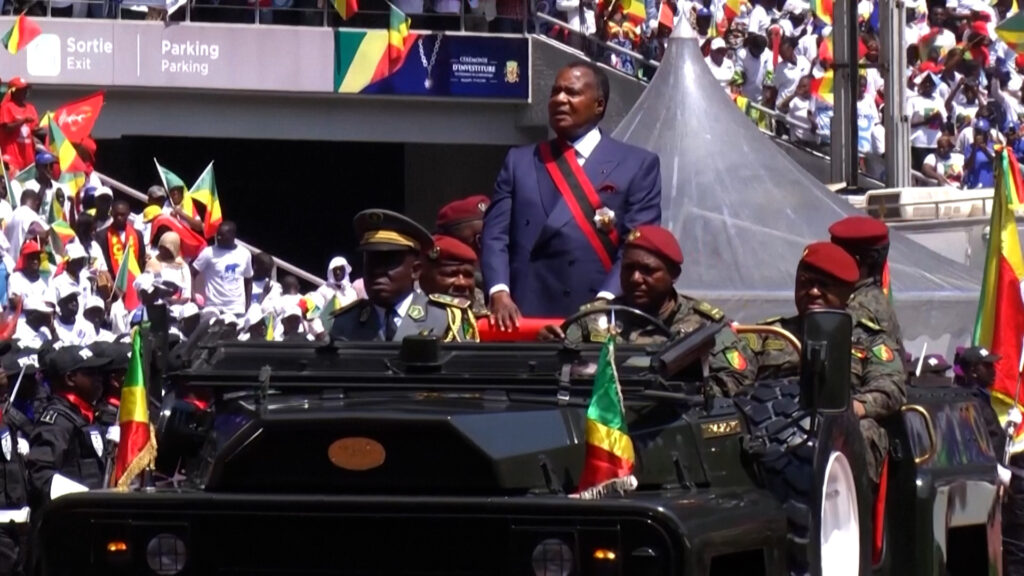
Denis Sassou Nguesso has officially been sworn in for his fifth term as the president of the Republic of Congo, marking a significant continuation of his long-standing rule over the country. Sassou Nguesso’s presidency, which spans several decades, has shaped much of the Republic of Congo’s political landscape. His latest inauguration reinforces his enduring influence and control in the region.
Sassou Nguesso first came to power in 1979 and has held the presidency for multiple non-consecutive terms. After stepping down in 1992, he returned to power in 1997 following a civil war and has maintained his leadership ever since. His fifth-term inauguration represents a milestone in his political career and highlights the stability—or controversies—surrounding his tenure.
Throughout his presidency, Denis Sassou Nguesso has been a central figure in the country’s political and economic affairs, with his leadership style often described as authoritative. His administration has focused on exploiting the Republic of Congo’s rich natural resources, particularly oil, which constitutes a major part of the country’s economy. However, despite resource wealth, the nation faces ongoing challenges, including poverty, governance issues, and infrastructure development.
The election leading to this fifth term was marked by significant political contention. Critics of Sassou Nguesso have raised concerns over the fairness of the electoral process and the political climate, citing allegations of opposition suppression and limitations on press freedom.
Supporters, on the other hand, argue that Sassou Nguesso’s leadership brings necessary continuity and experience, which are crucial for the country’s development and stability in a volatile region. They point to ongoing development projects and efforts to improve regional security as indicative of his positive impact.
International reactions to Sassou Nguesso’s inauguration have been mixed. Some global leaders have welcomed the continuation of his leadership, emphasizing the importance of diplomatic relations and regional stability. Others have expressed hopes for more inclusive political dialogue and reforms to strengthen democratic institutions within the Republic of Congo.
As Sassou Nguesso embarks on his fifth term, the future of the Republic of Congo remains closely tied to his policies and governance. Observers will be watching how he addresses the nation’s socio-economic challenges, manages political opposition, and navigates both domestic and international expectations.
In summary, Denis Sassou Nguesso’s swearing-in for a fifth term solidifies his role as one of Africa’s longest-serving leaders, underscoring both his political resilience and the complex realities of governance in the Republic of Congo. His presidency continues to evoke varied perspectives, reflecting the broader dynamics of leadership, democracy, and development in the region.