Hungary is at a critical crossroads in its energy policy as the new leadership has pledged to reduce reliance on Russian energy imports, marking a significant shift from the previous administration’s approach. For years, Hungary under Viktor Orbán’s government maintained strong energy ties with Russia, heavily depending on Russian oil and gas to meet its national demand. This dependency has raised concerns among EU partners and within Hungary itself, especially given the geopolitical tensions and energy security uncertainties that accompany reliance on a dominant external supplier.
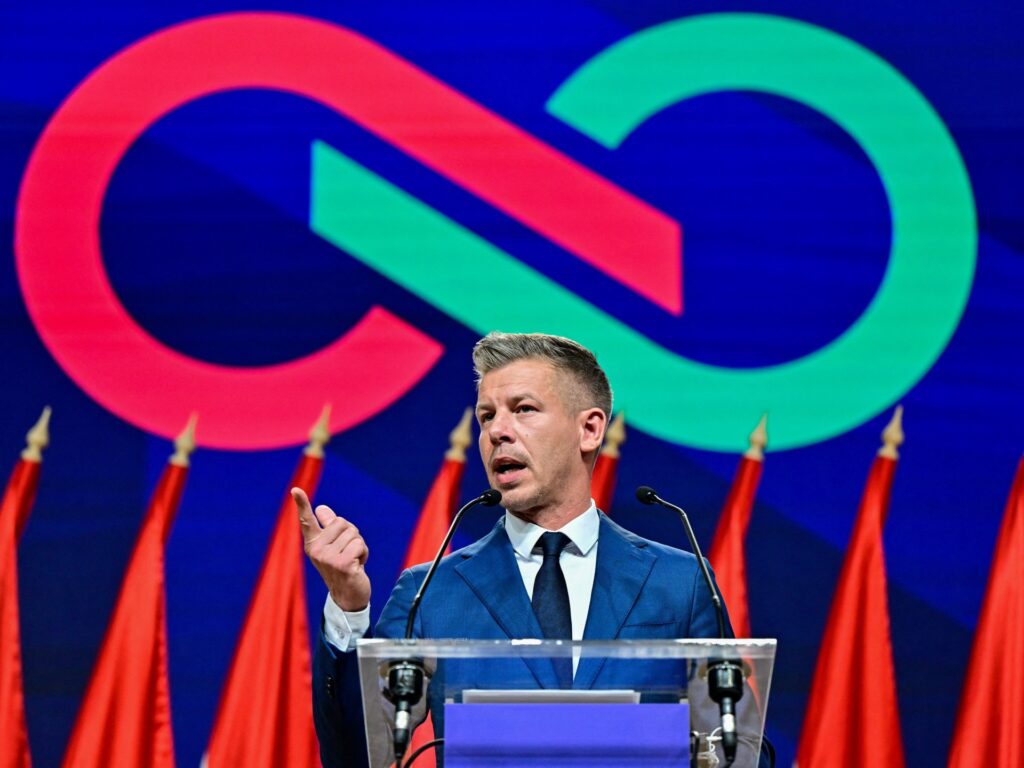
Magyar, the new leader emerging to chart a different course, has appealed to Hungarian voters with a promise to overhaul this energy stance. The core of this initiative is to lessen Hungary’s dependency on Russian energy through diversification and investment in alternative sources. The strategy involves multiple facets: increasing imports of liquefied natural gas (LNG) from Western suppliers, accelerating the development of renewable energy infrastructure such as solar and wind, and potentially expanding nuclear energy capabilities.
Hungary’s current energy landscape is characterized by significant Russian gas supplies, which come through pipelines like the TurkStream and the long-established Brotherhood pipeline. This infrastructure, deeply integrated into Hungary’s supply chain, presents both an advantage and a challenge—providing reliable energy at competitive prices, yet limiting rapid shifts away from Russia without risking supply disruptions or exorbitant costs.
Diversification efforts are underway, with Hungary exploring LNG terminals either domestically or through neighboring countries, like Croatia’s Krk LNG terminal, to secure alternative sources. Renewables hold promise but require substantial investment and time to scale up effectively. Hungary’s solar power sector is growing but has yet to reach the capacity needed to offset the energy shortfall from reduced Russian imports.
Nuclear energy remains a contentious but vital part of Hungary’s energy mix. The existing Paks Nuclear Power Plant shapes a significant portion of Hungary’s domestic electricity production. Plans to expand this facility with Russian collaboration have stirred debate, especially given the current leadership’s intent to distance itself from Russian influence.
Economically, transitioning away from Russian energy is challenging. The switch could lead to higher energy prices initially, imposing burdens on consumers and businesses. The government needs to balance energy security, economic stability, and political will to implement reforms. Additionally, Hungary must navigate EU regulations and align its policies with broader European energy and climate agendas, which advocate for a swift transition to renewable energy and reduced fossil fuel usage.
Public opinion in Hungary is mixed. While many support the idea of energy independence, concerns about energy prices, supply security, and national sovereignty complicate the debate. The memories of the energy crises during harsh winters underscore the importance of stable and affordable energy.
In summary, Hungary’s ambition to wean itself off Russian energy marks a pivotal moment in its energy policy. The new leadership under Magyar faces substantial hurdles—technical, economic, and political—in achieving this goal. Success will depend on strategic investments, regional cooperation, and navigating the complex geopolitical landscape. If Hungary manages to reduce its dependence on Russian energy while maintaining energy security and economic stability, it could serve as a model for other nations grappling with similar challenges. However, the path forward will require careful planning, resilience, and a clear vision for Hungary’s energy future beyond Russian supplies.