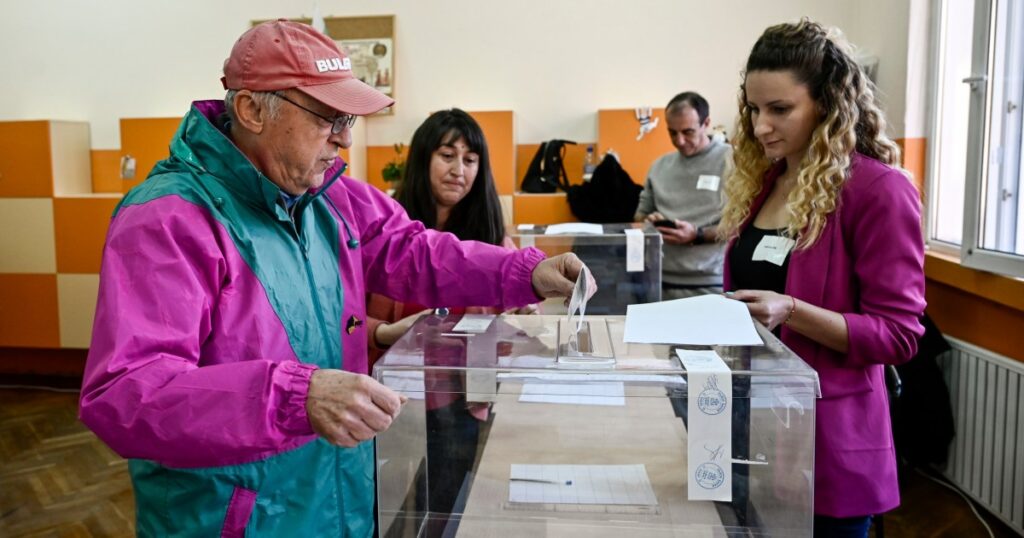
Bulgaria is once again at the crossroads of democracy as it prepares for its latest national election, marking the seventh such vote in four years. This unprecedented frequency of elections highlights the deep political and social divisions that have plagued the country, creating a climate of uncertainty and turbulence.
The ongoing political instability stems from fragmented parliamentary compositions and a lack of consensus on key issues, leading to recurring deadlocks and the inability to maintain a stable government. This situation has significantly impacted Bulgaria’s governance, economic development, and public confidence.
The main contenders in the current election include a diverse array of political parties and coalitions, each representing different ideologies and visions for Bulgaria’s future. Traditional parties strive to regain trust and assert their agenda, while new political forces aim to disrupt the status quo by addressing widespread public dissatisfaction.
Key players include the center-right GERB party, which has been dominant in Bulgarian politics for years, and the Bulgarian Socialist Party, representing left-wing interests. Additionally, there are emerging groups focusing on anti-corruption, economic reform, and social justice, reflecting the multifaceted concerns of Bulgarian society.
What is truly at stake in this election is Bulgaria’s political stability and trajectory. After years of turmoil, citizens are looking for leadership capable of delivering effective governance, economic growth, and social cohesion. The election outcome will determine whether Bulgaria can consolidate its democratic institutions or continue to struggle with fragmented politics.
Moreover, Bulgaria’s position within the European Union adds another layer of significance to the election. Stability at home is crucial for maintaining productive relationships with EU partners and securing ongoing financial support and integration benefits.
The upcoming vote also serves as a litmus test for citizens’ appetite for change versus continuity. Voter turnout and the performance of various political actors will reveal much about public sentiment and expectations.
In conclusion, Bulgaria’s repeated elections underscore the challenges of navigating complex political landscapes in a modern democracy. As the nation heads to the polls, the world watches closely to see whether Bulgaria will find a new path to stability and prosperity or remain entrenched in division.