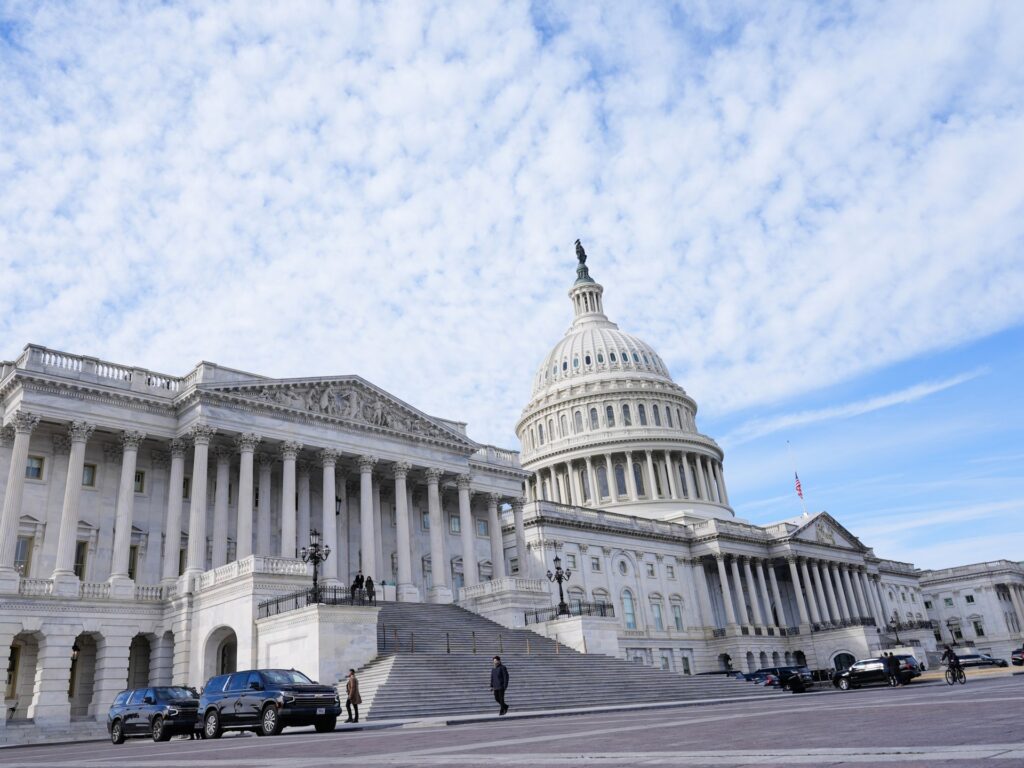
In a significant development in US domestic politics, the House of Representatives recently voted down the latest effort aimed at curtailing former President Donald Trump’s power to initiate military actions against Iran. The resolution, which sought to restrict presidential war powers regarding Iran, was supported by nearly all Democrats but failed to gain enough bipartisan support to pass.
This vote came shortly after a similar resolution was rejected in the Senate along party lines, underscoring the partisan divide on issues surrounding the US approach to Iran and presidential military authority. Despite strong Democratic backing, the resolution did not secure a majority in the House, reflecting the complex political dynamics and the challenges of passing such measures in a divided Congress.
The debate around this resolution is rooted in ongoing concerns about the extent of executive power in matters of war, especially after the Trump administration’s actions in the Middle East. Advocates for the resolution argued that Congress should assert its constitutional authority to oversee and limit the president’s ability to unilaterally engage in military conflict, particularly with a nation as geopolitically sensitive as Iran.
Opponents of the resolution, largely Republicans, contended that such limitations could hinder the country’s ability to respond swiftly to evolving security threats and reduce the flexibility needed in foreign policy and defense decisions.
The issue has reignited discussions on the War Powers Resolution and the balance of powers between the executive and legislative branches concerning war-making decisions. Since the 1970s, Congress has sought to check the president’s war powers through legislation requiring congressional approval for prolonged military actions.
The failure of the resolution in both chambers may suggest that despite political rhetoric, there remains significant resistance to dramatically altering the current balance of power. This outcome also reflects broader partisan tensions and differing views on US foreign policy, particularly toward Iran.
Meanwhile, many Democrats continue to push for stronger oversight of the executive branch to prevent unapproved military engagements and promote diplomatic solutions. The nearly unanimous Democratic vote in favor of the resolution highlights their commitment to this stance.
The upcoming legislative sessions will likely revisit this issue as geopolitical tensions with Iran and other countries persist. Lawmakers on both sides face the complex task of balancing national security interests with constitutional checks and balances.
In summary, the recent House vote is a critical moment in ongoing debates over presidential war powers, congressional authority, and US foreign policy toward Iran. While the resolution did not pass, the discussions it sparked will continue to shape legislative and political strategies in the months ahead.